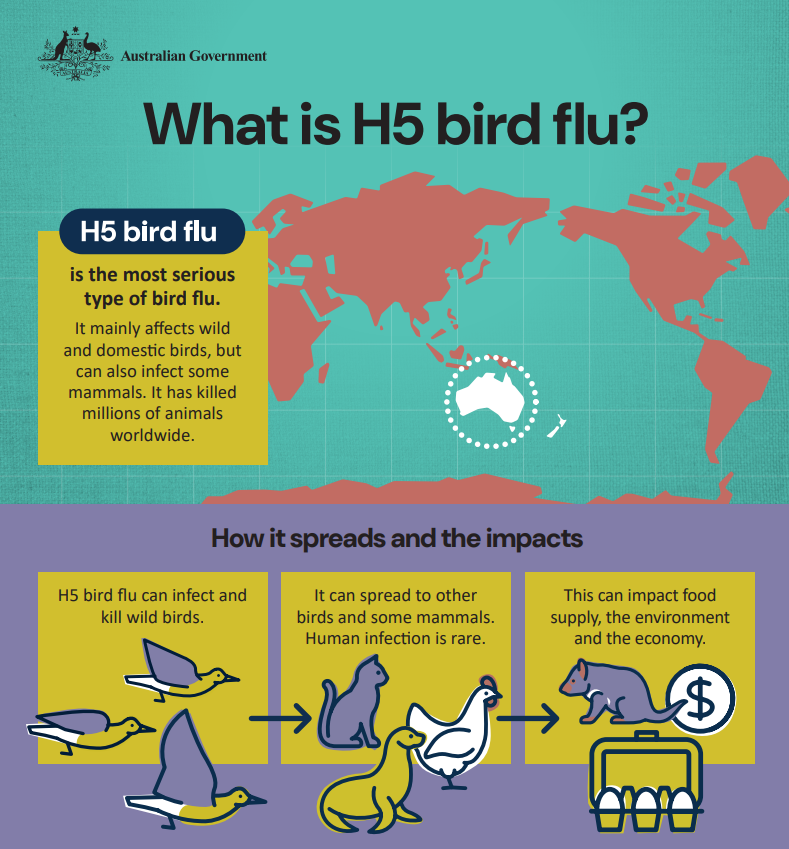
Large-scale outbreaks of the H5N1 strain of bird flu in the past three years around the world have killed millions of wild birds and tens of thousands of mammals with mortality rates of up to 60% of populations.
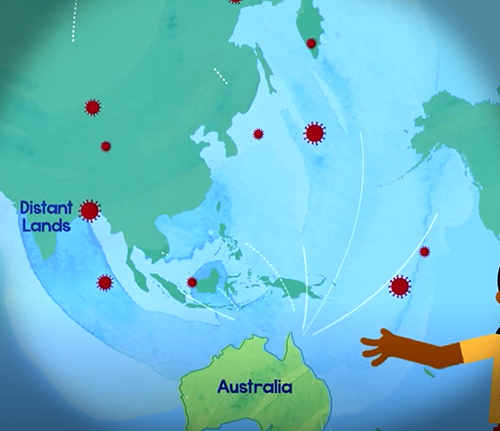
H5 bird flu has now spread to all continents including Antarctica with the first cases found along the southern coast of Western Australia and South Australia in migratory birds in June 2026.
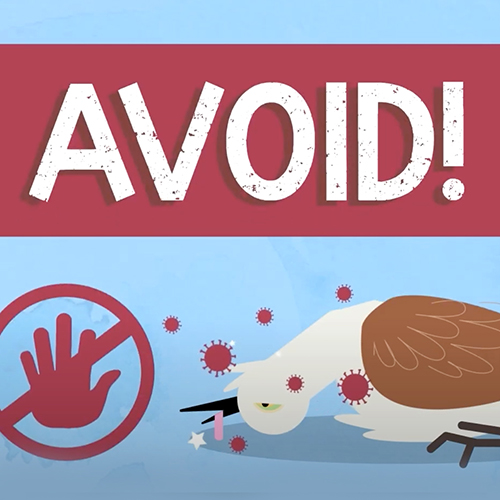
If you suspect a wild animal may be infected with H5 bird flu – AVOID contact with sick or dead wildlife and their environment. Observe from a distance and keep pets away. RECORD what you see, the location the animal was found, and take photos or video if it is safe to do so. REPORT via the Emergency Animal Disease Hotline on 1800 675 888.
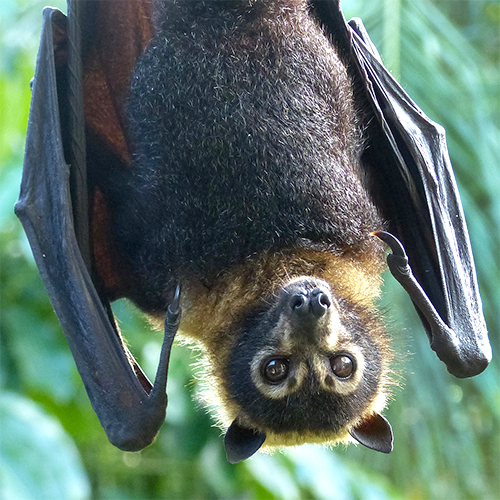
Most affected bird species are those associated with water ie. seabirds, shorebirds etc plus predator/scavenger species. Mammals affected by H5 Bird flu are predators/scavengers plus seals and sea lions.
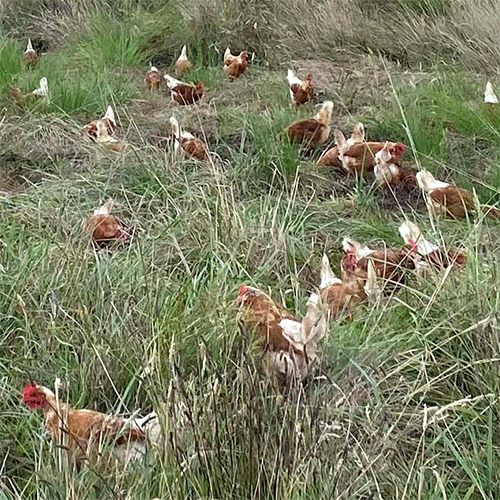
The Australian government had made the decision to not try to eradicate Avian Influenza but to restrict the spread and minimise cross-over to other animals particularly poultry.
Key resources in this collection
If you have any feedback on the above content or would like to make a suggestion for future content, please let us know.