-
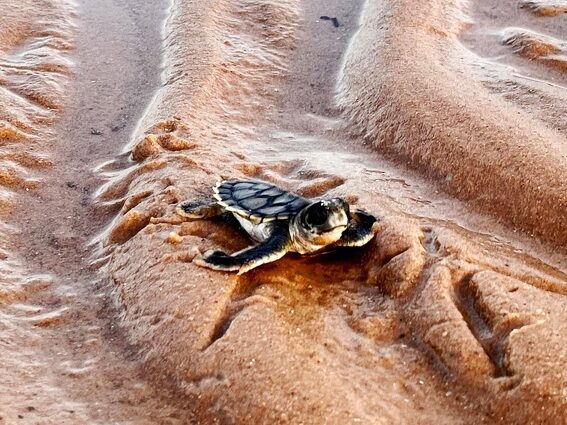
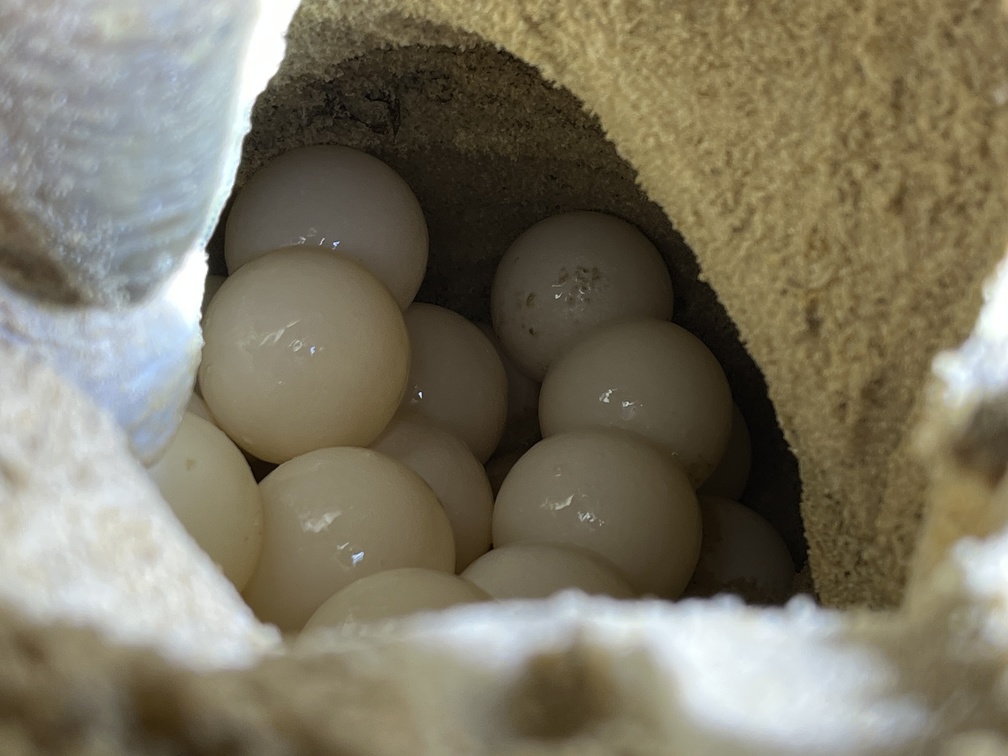
Close up of newly laid eggs in sand hollow.

Cape York turtle conservation

  • Context: Regional

Cape York NRM supports turtle conservation activities across Cape York Peninsula to protect high-density nesting populations of threatened marine turtles.

At a glance

  • One of Australia’s largest turtle conservation projects: Operating on the west coast since 2013 and expanded to the east coast in 2025.
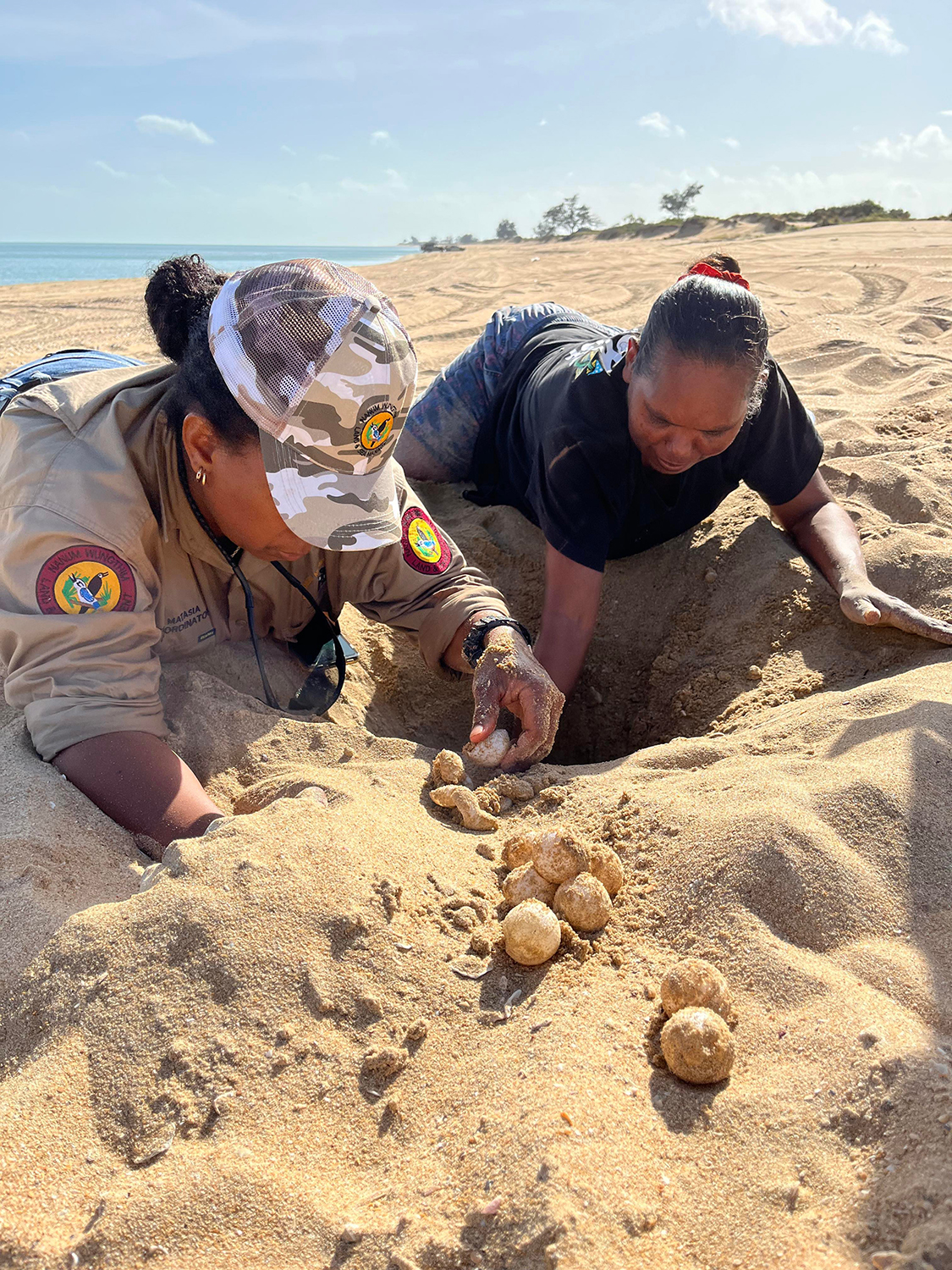
  • Indigenous-led initiative: Ranger groups with coordination support from Cape York NRM.
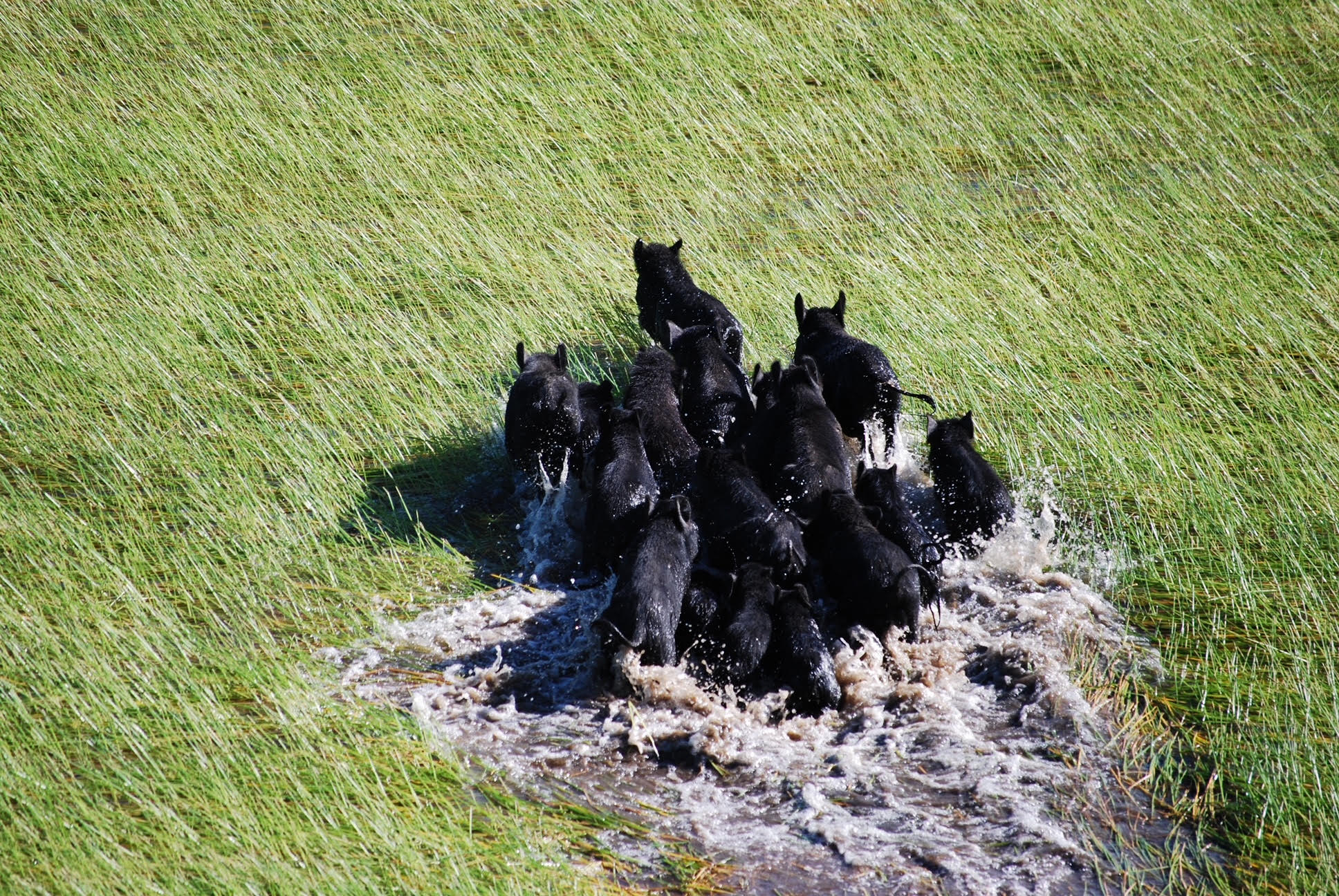
  • Reduced nest predation: Turtle egg predation by feral pigs has been reduced from almost 100% to less than 10%.
  • Recognition: 2024 First Nations Award for Excellence in Biosecurity.

Why Cape York matters

  • High-density nesting populations of threatened marine turtles: flatback, green, hawksbill and olive ridley
  • Contains the world’s largest nesting sites: flatback turtles (Crab Island) and green turtles (Raine Island)
  • Queensland’s only nesting population of endangered olive ridley turtles
  • Queensland’s largest population of critically endangered hawksbill turtles

Primary threats

  • Egg predation by feral pigs
  • Rising sea levels
  • Increasing nest temperatures
Visit website
Project funded by

These projects are supported by Cape York NRM through funding from the Australian and Queensland Governments’ Nest to Ocean Turtle Protection Program.

The Western Cape Turtle Threat Abatement Alliance (WCTTAA)

Established in 2013, WCTTAA is a partnership of Indigenous land and sea owners and managers from Apudthama Land Trust and the Northern Peninsula Area Regional Council, Napranum Aboriginal Shire Council, Mapoon, Pormpuraaw, Aak Puul Ngantam Cape York and Kowanyama.

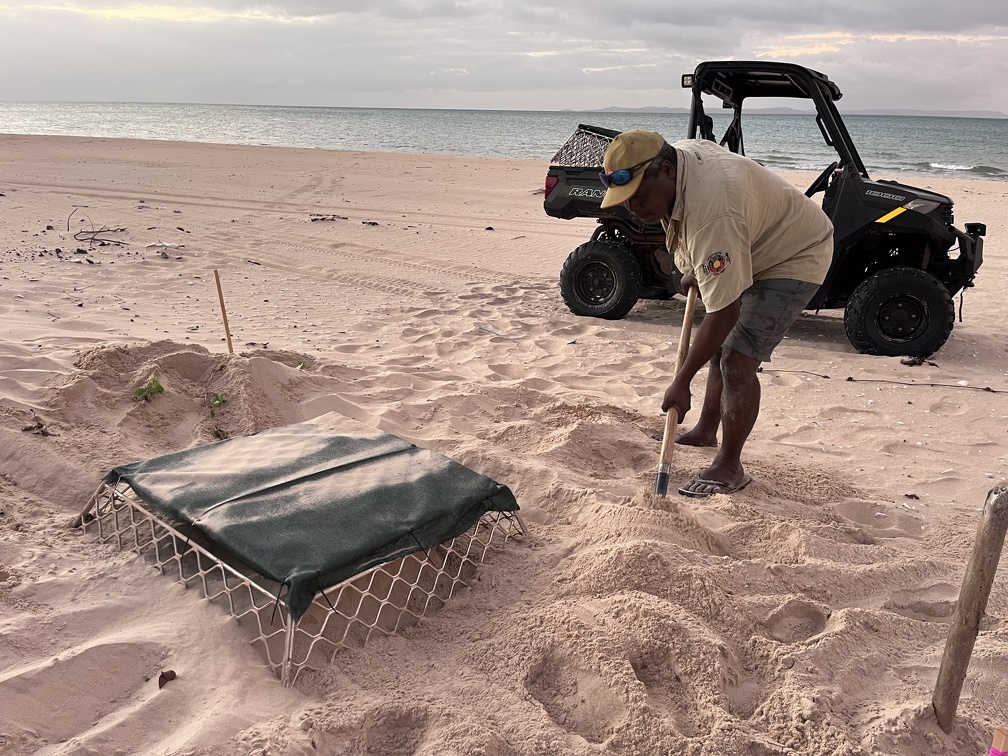
WCTTAA’s sustained efforts have reduced nest predation to sustainable levels on many beaches. Their vital work includes monitoring nesting sites and hatchling success, controlling feral pigs through aerial and ground operations and protecting nests with aluminium cages.

The Eastern Cape York Turtle conservation project

The east coast and nearby offshore islands support some of the world’s most important marine turtle nesting sites, hosting significant populations of endangered green turtles and critically endangered hawksbill turtles.

Key challenges:

  • Major rookeries such as Raine Island and Milman Island face sea level rise, tidal inundation and rising sand temperatures.
  • Mainland Cape York is less affected by climate threats due to higher elevation and shaded, vegetated beaches; the main threat here is predation from feral pigs and goannas.

To better understand turtle activity and protect nests from predation, Cape York NRM is working with Indigenous ranger teams and the Queensland Parks and Wildlife Service through the Eastern Cape York Turtle Conservation Project. The project focuses on improving hatchling survival through predator control, nest monitoring and targeted protection measures.

Read more here.

Our regions our people

54 Regional NRM organisations work with people across the country - from the local to national level to manage our land, water, soil, plants and animals.

Secret Link