
Threatened ecological communities are among the most vulnerable ecosystems in Australia, often impacted by land clearing, invasive species and changing climate conditions. Protecting these communities is essential to maintaining biodiversity and ecological resilience.
Reef Catchments delivers targeted on-ground actions to conserve and restore these important ecosystems across the Mackay Whitsunday Isaac region. The project focuses on improving vegetation condition, enhancing habitat connectivity and reducing threats that impact ecological function.
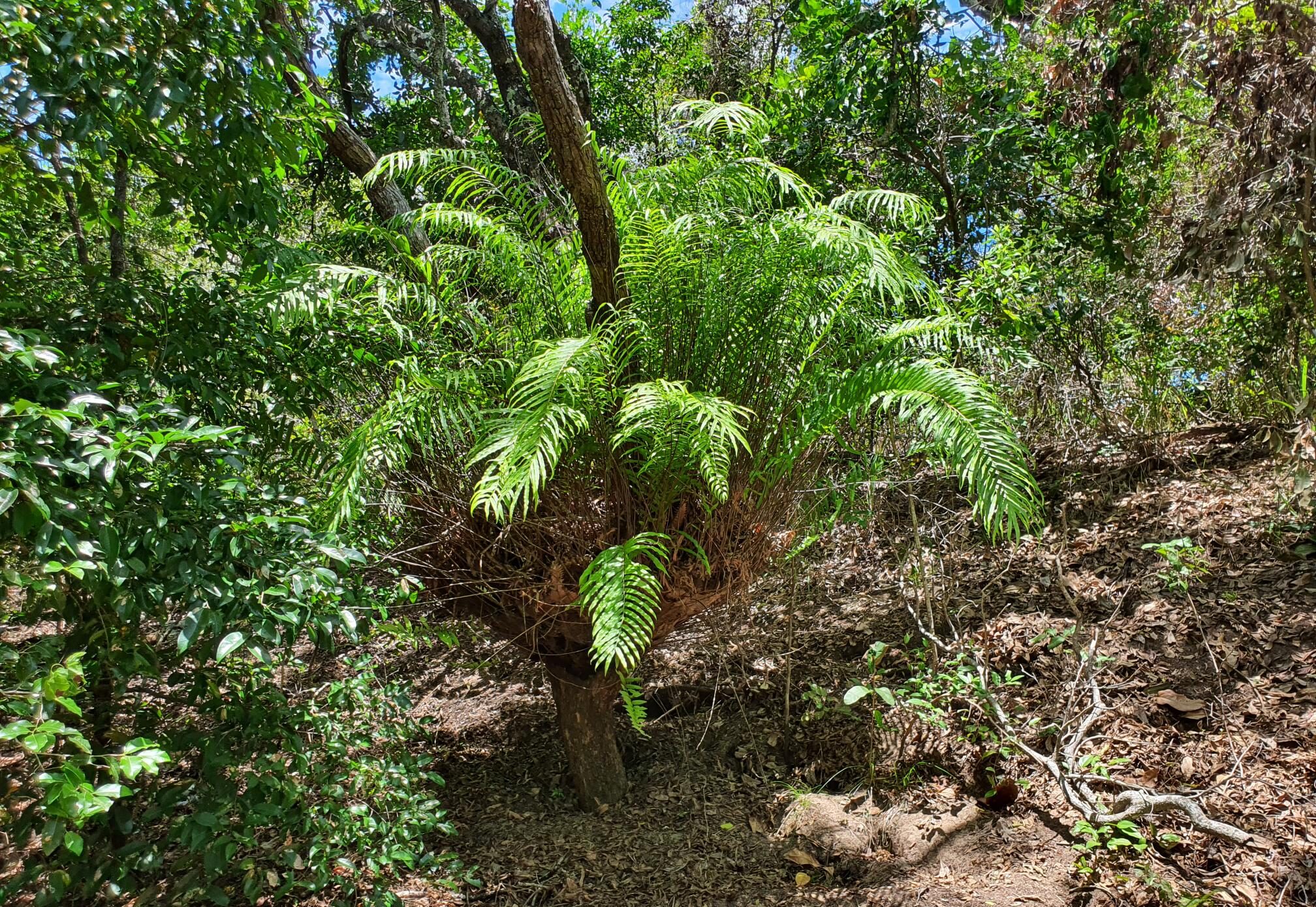
Key activities include weed control, habitat restoration and revegetation using native species suited to local conditions. By improving vegetation structure and diversity, the project supports the recovery of flora and fauna species that depend on these ecosystems for survival.
The project also works with landholders, Traditional Owners and community groups to deliver lasting conservation outcomes. These partnerships are essential in protecting remnant vegetation and building stewardship for high-value ecological areas.
By restoring threatened ecological communities, the project contributes not only to species conservation but also to improved water quality, soil health and climate resilience across the broader landscape.