-
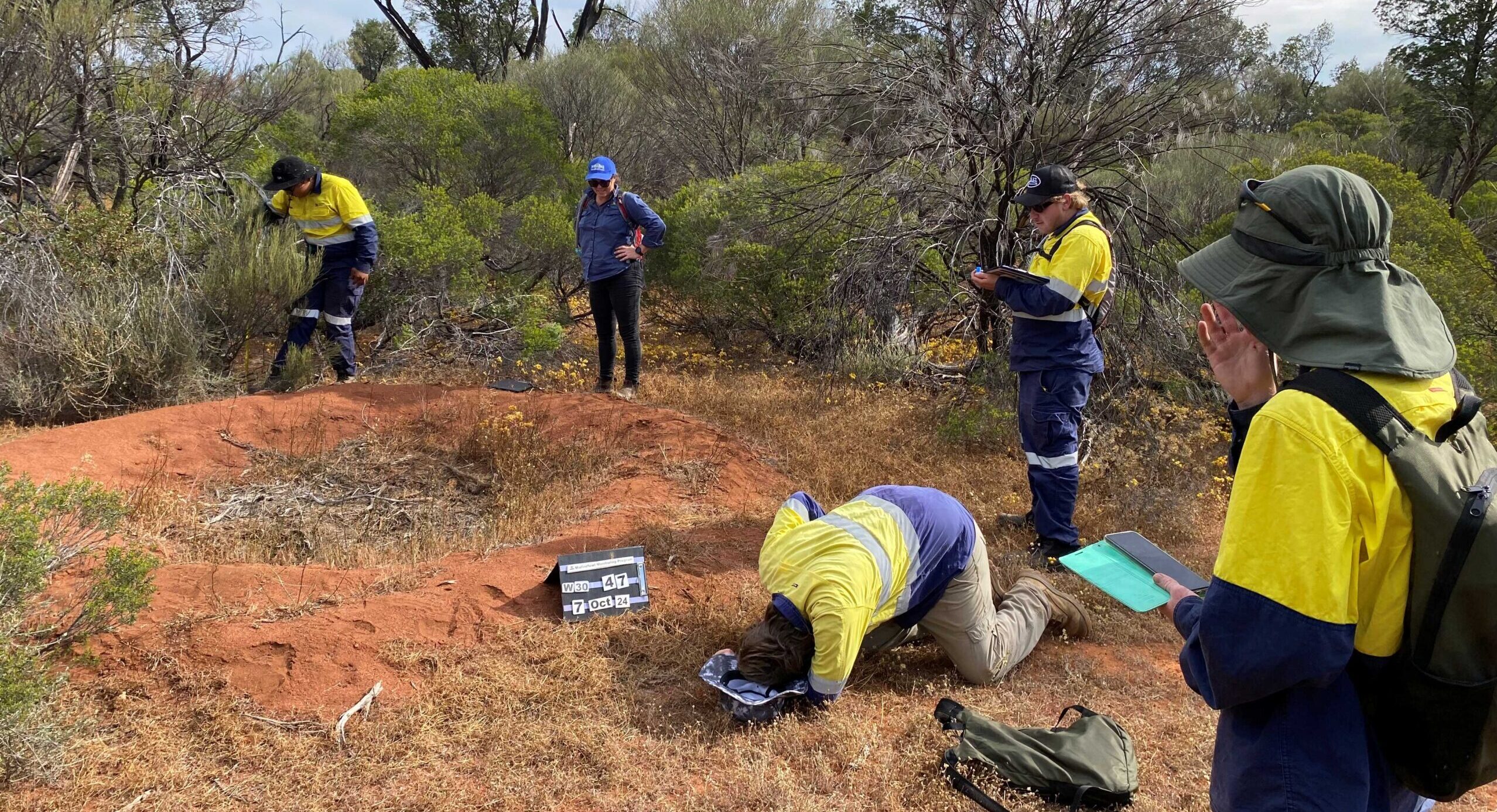
People in hi-vis clothing looking at a malleefowl mound in the ground surrounded with vegetation.

Gnow or Never

  • Context: Regional

The Gnow or Never project was a multi‑layered conservation initiative focused on securing wild Malleefowl populations and strengthening community ownership of threatened species protection. It restored habitat connectivity across key landscapes, linking arid shrublands to the Shark Bay World Heritage Area, and aligned with national efforts to reduce fragmentation across the species’ range. 

The project also worked closely with First Nations communities and local stakeholders to monitor priority sites and contribute data to the National Malleefowl Monitoring Database, fostering cultural engagement, shared stewardship and long‑term ecological resilience.

Visit website
Project funded by

This project was supported by the NACC NRM through funding from the Australian Government National Landcare Program.

This project is supported through additional funding from the Australian Governments National Indigenous Australians Agency, NACC NRM, and APA Group.

Project Impacts 

The Gnow or Never project generated significant social and economic benefits across the Northern Agricultural Region by empowering communities to protect threatened species while strengthening local capacity. More than 3,000 ha of Malleefowl and Black-flanked Rock-wallaby habitat was improved, but the project’s greatest impact came from the people it mobilised. Landholders adopted more sustainable management practices, community groups deepened their conservation knowledge, and Aboriginal communities strengthened cultural connection through Return to Country events, training and on-Country monitoring. 

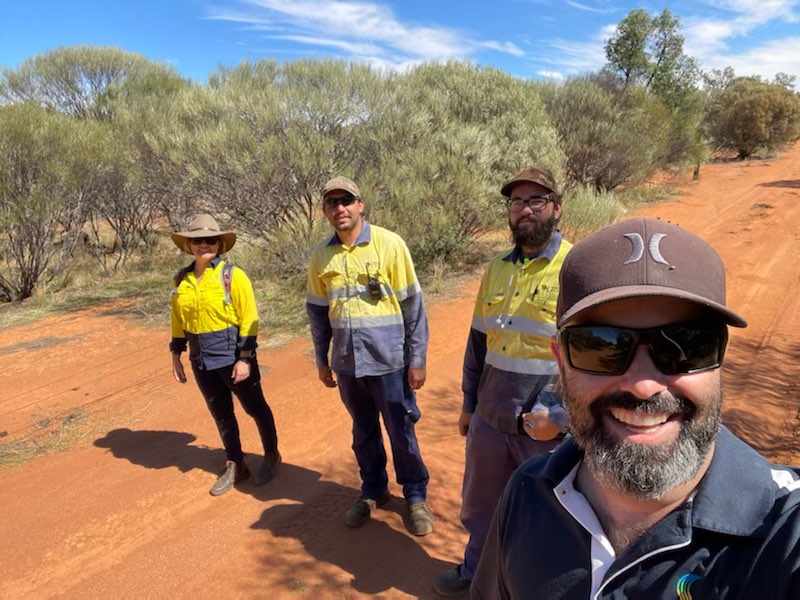
The project’s success also attracted additional investment from APA Group, enabling seven First Nations Rangers to participate in four Malleefowl monitoring activities and four specialised training sessions. This extension built valuable skills, supported local employment pathways and embedded long-term stewardship within the region. Collectively, these outcomes enhanced community resilience, reduced future land management costs and fostered a more connected, informed and environmentally engaged regional economy.

Our regions our people

54 Regional NRM organisations work with people across the country - from the local to national level to manage our land, water, soil, plants and animals.

Secret Link