The pilot has been delivered in phases:
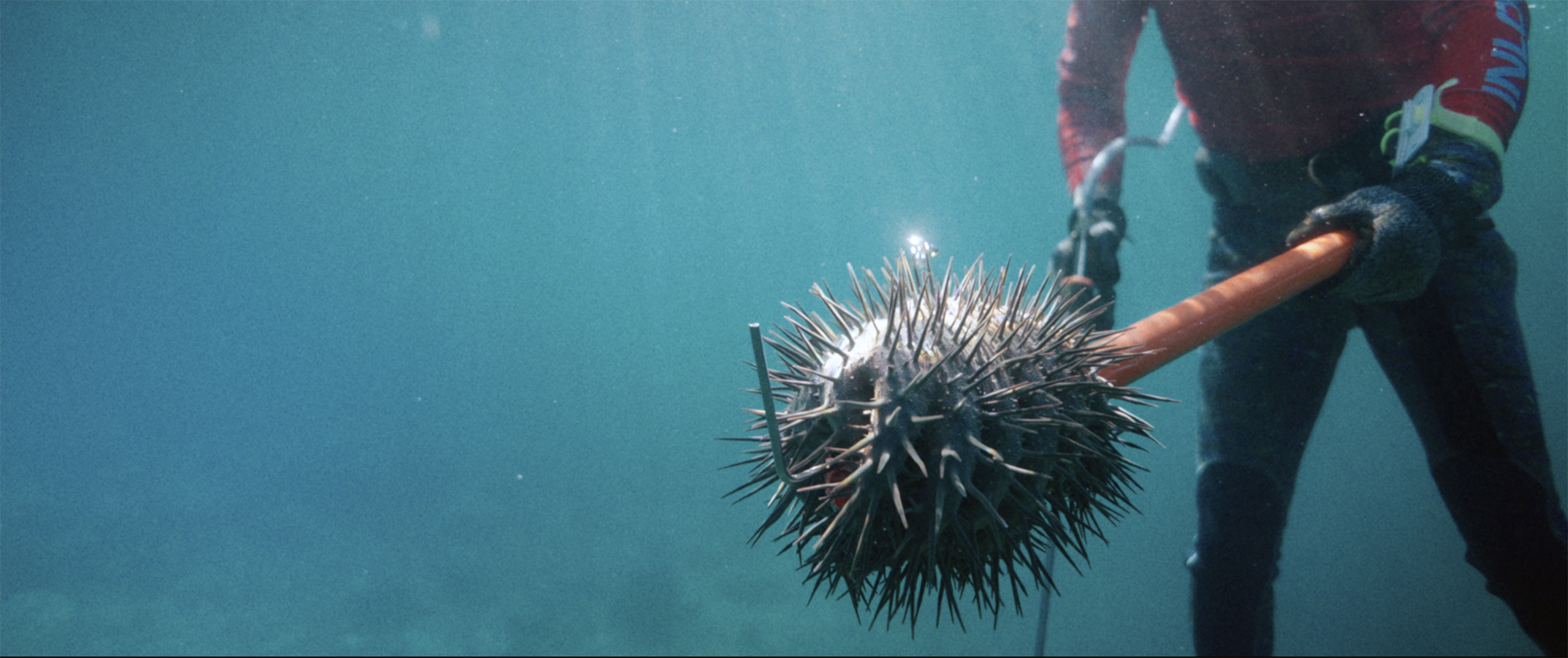
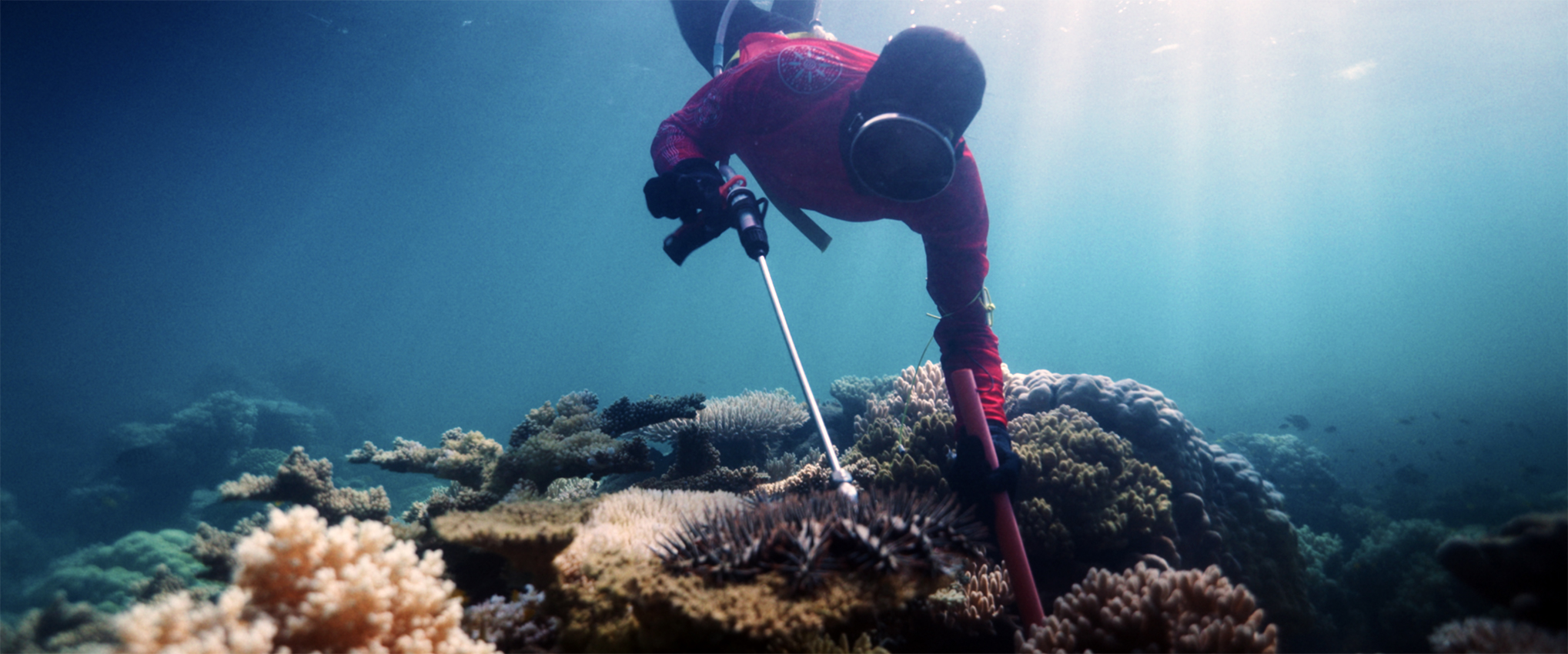
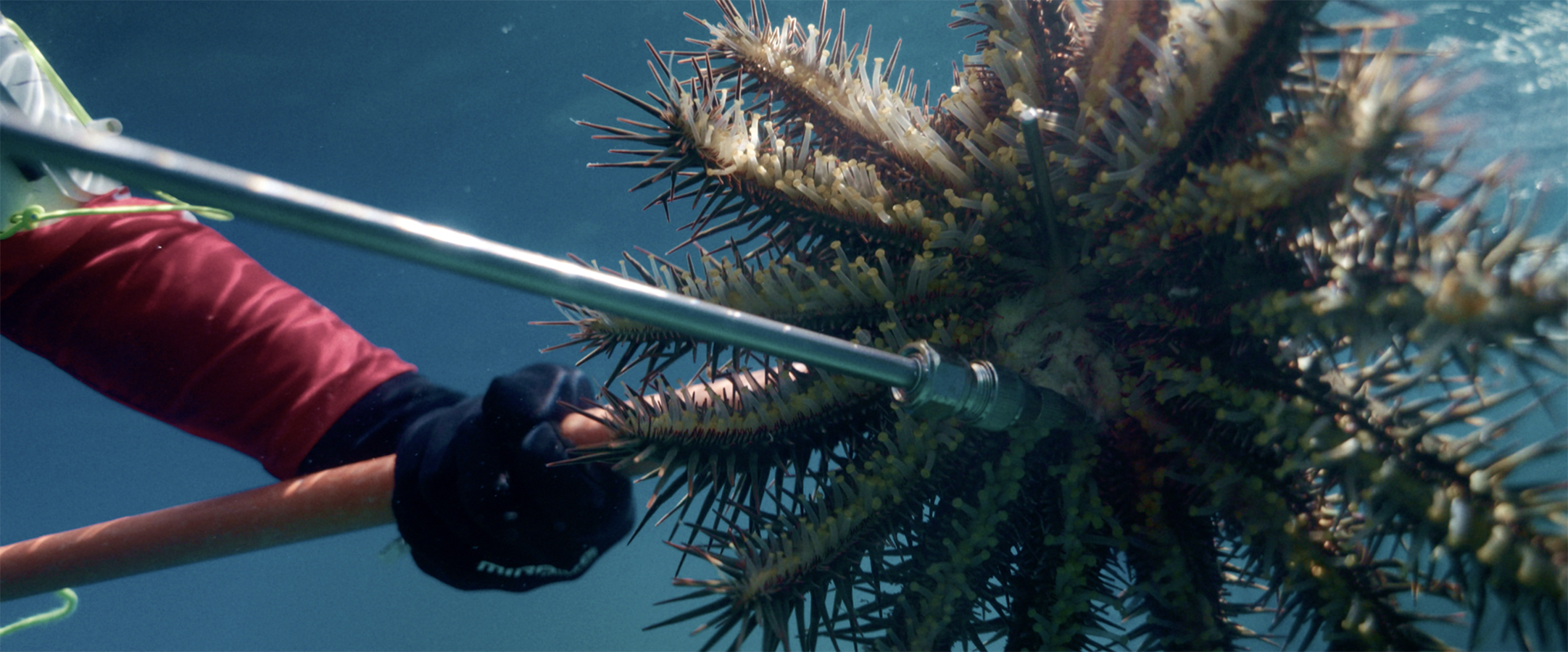
- Phase One: Foundation and Control Operations – Established the operational foundation while delivering immediate COTS control in hot spot areas in Mer, Erub, Ugar, and Masig Sea Country.
- Phase Two: Capacity Building and Training Integration – Introduced 12 Torres Strait Islander trainees into immersive COTS management training, moving beyond reliance on external specialist crews toward building local expertise for program sustainability.
- Phase Three: Surveillance Expansion and Baseline Establishment – Expanded operations beyond established hotspots to encompass Central Torres Strait reef systems. This phase prioritised rapid assessment of COTS distribution and reef health across Indigenous Protected Area (IPA) islands off Warraber and Poruma, establishing critical baseline data for understanding outbreak geographic extent.
This methodology successfully demonstrated how Torres Strait Islander communities can effectively protect their Sea Country by integrating traditional knowledge with western conservation science through youth engagement and economic participation.
The program delivered immediate conservation outcomes – including removal of more than 10,000 COTS – while establishing sustainable frameworks for community-led management, directly supporting TSRA’s Land and Sea Strategy priorities and Closing the Gap targets while maintaining Environment Protection and Biodiversity Conservation Act compliance.
The project directly supports Closing the Gap Target 15 by respecting and upholding Aboriginal and Torres Strait Islander peoples’ distinctive cultural, spiritual, physical and economic relationship with their land and waters. It does this by embedding First Nations knowledge systems, respecting custodial responsibilities and ensuring Sea Country remains central to decision-making.
The project also created education, economic participation and employment opportunities for local communities, including through school visits, training of 12 divers and the engagement of 6 cultural advisors and local, Indigenous‑owned business, Malu Ventures, to support on‑water operations, logistics and cultural guidance.