-
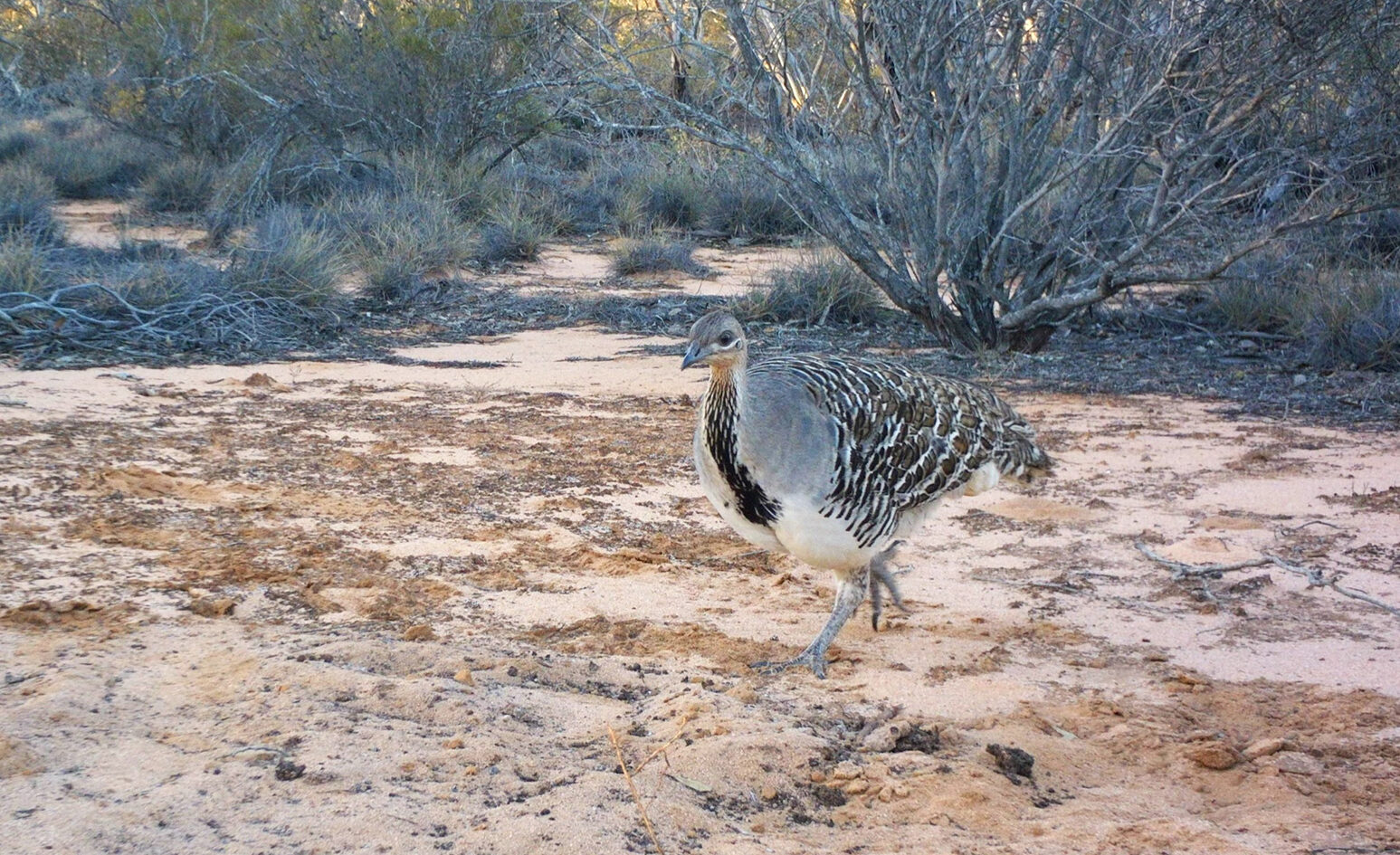
A grey bird and white bird, with a brown patterned tail is walking across the dirt, there is a bush landscape behind it.

Protecting nganamara (malleefowl)

  • Context: Regional

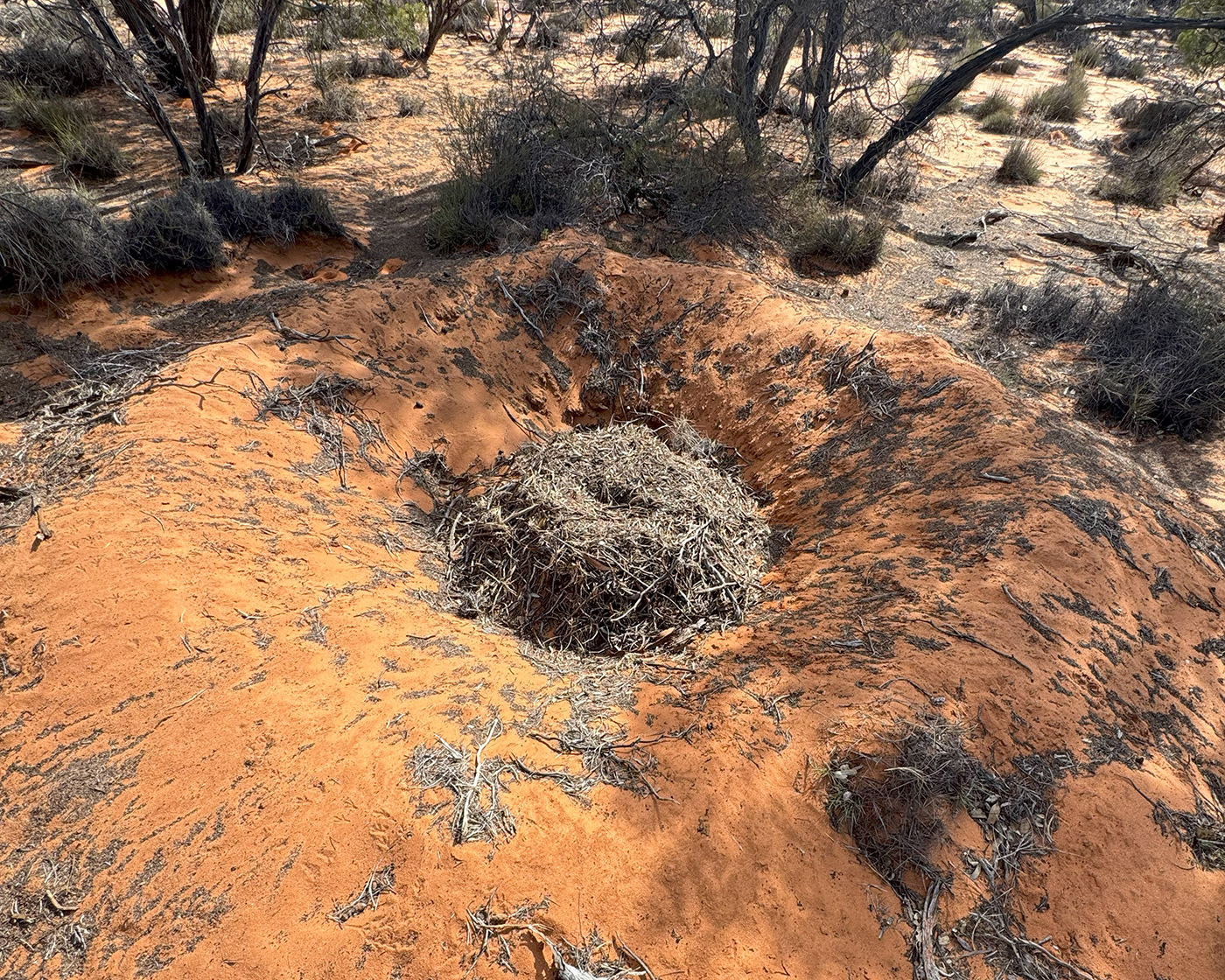
The Alinytjara Wilurara Landscape Board has monitored malleefowl populations, behaviour and threats in the Maralinga Tjarutja (MT) Lands, APY Lands and Yellabinna and Yumbarra region since 2007, with funding from the Australian Government’s Natural Heritage Trust (NHT).

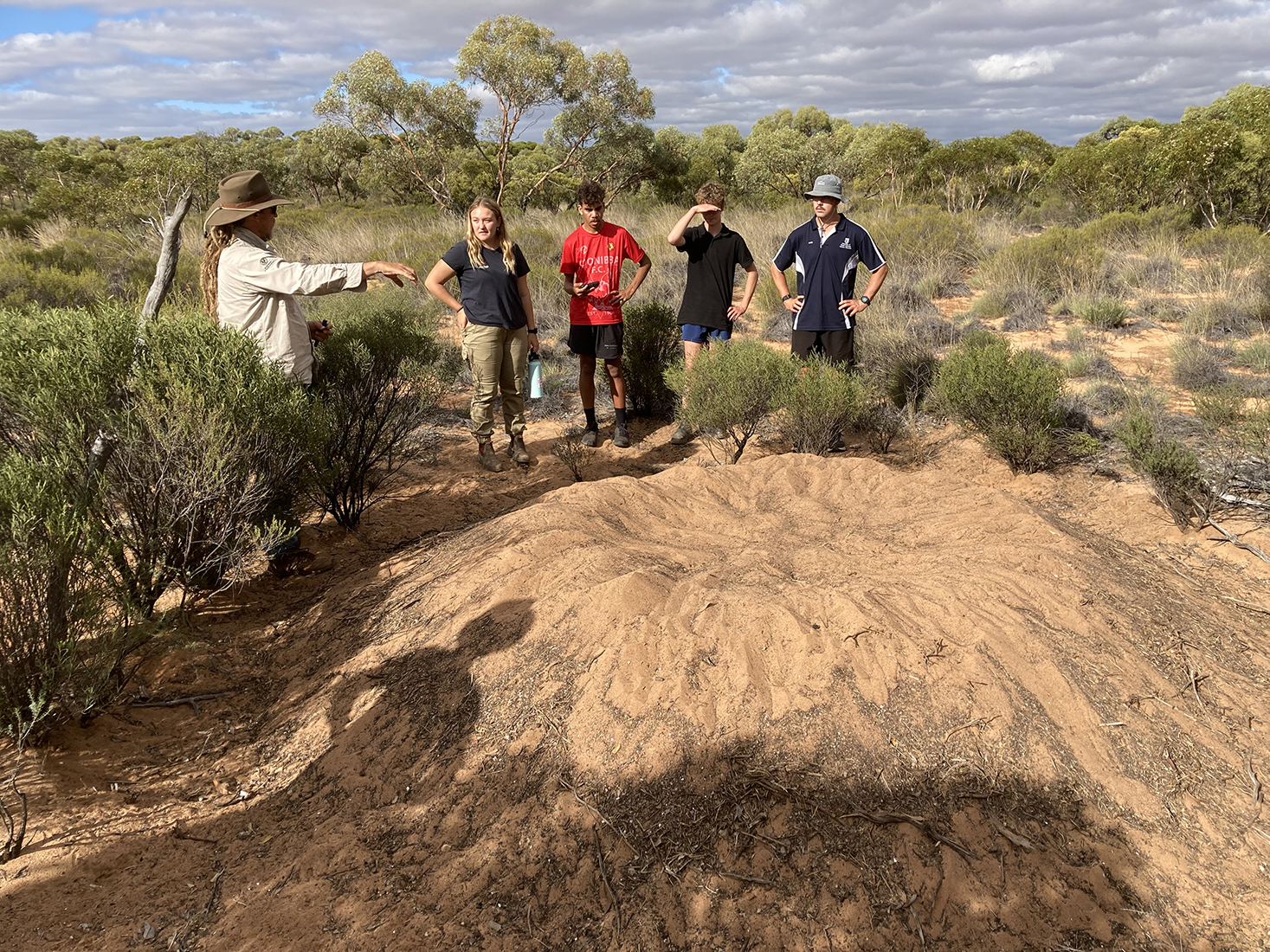
Initial surveys were undertaken on foot based on analysis of data that dated back to 1983. More recently, AW undertook airborne LiDAR surveys which added significant new information to our long-term datasets. Data is shared with the National Malleefowl Recovery team supporting delivery of the National Recovery Plan.

In addition to ongoing monitoring of known and new mounds for activity, AW gathers data on the species’ ecosystem, including feral predator numbers, impacts of large feral herbivores, and distribution of other vulnerable species such as the sandhill dunnart.

Visit website
Project funded by

Funded by the Australian Government’s Natural Heritage Trust.

Key outcomes:

  • AW support includes funding, field staff including ecologist, training Indigenous rangers, mapping and data management 
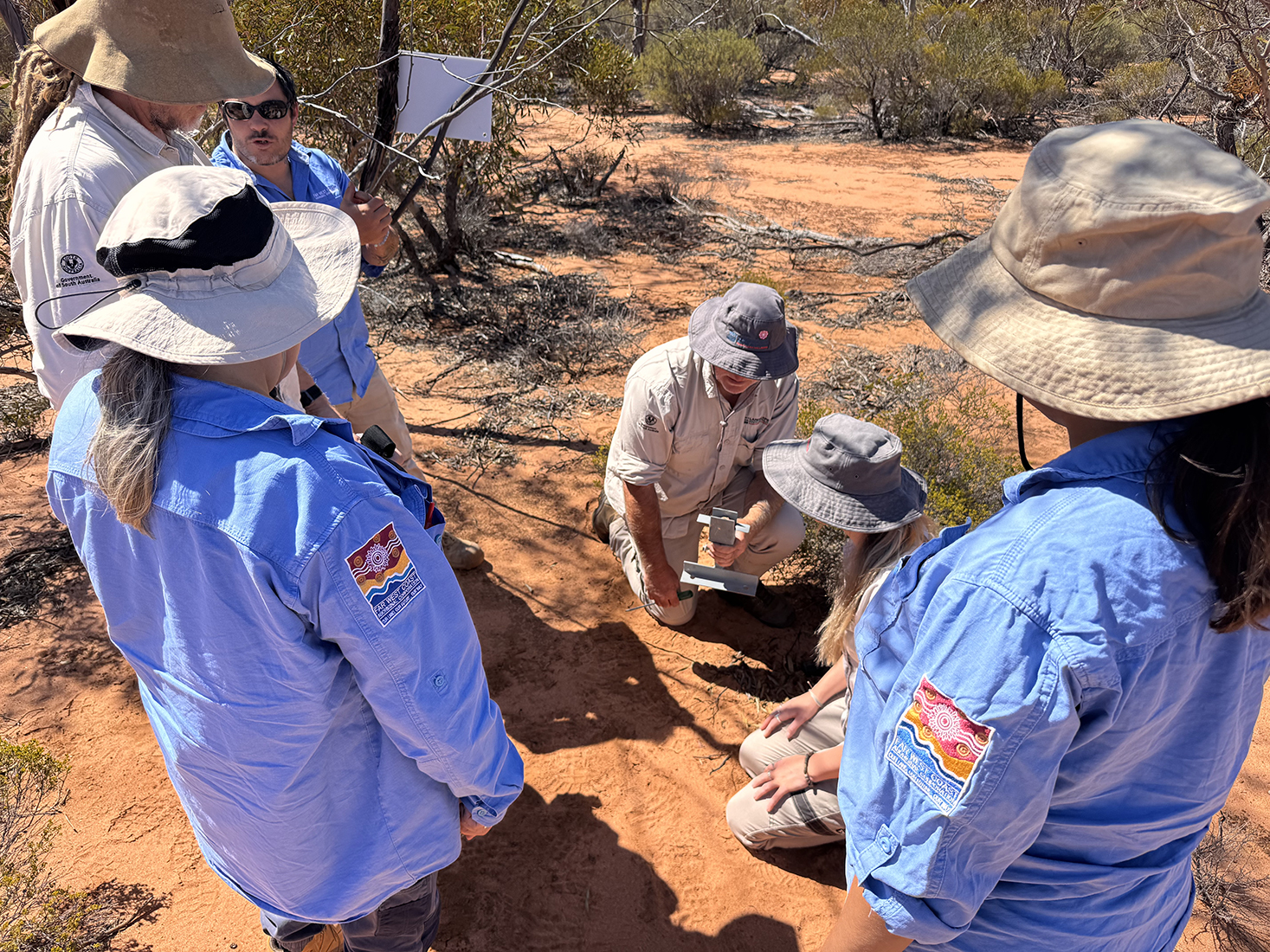
  • AW works alongside Indigenous communities from the Far West Coast, MT and APY Lands, providing training and support in survey methods, data management, and pest animal and plant control
  • Two-way science principles combine Traditional Ecological Knowledge with western science to support threatened species in a remote Indigenous-managed region
  • It is essential to ensure buffel grass is effectively controlled in key nganamara habitat
  • Automated pest management devices (Felixers) are currently being used to reduce predation by feral cats and foxes. These also record photographic imagery to support management
  • A new trial of Canid Pest Ejectors (CPE) began in 2026, using bait devices modified to exclude dingoes – a culturally and ecologically important species in the region – while still targeting foxes at key nganamara sites
  • Long-term, high-quality data on a keystone species provides insights into overall landscape health and forms an important element of a broader national project
Read more here.

Our regions our people

54 Regional NRM organisations work with people across the country - from the local to national level to manage our land, water, soil, plants and animals.

Secret Link