-
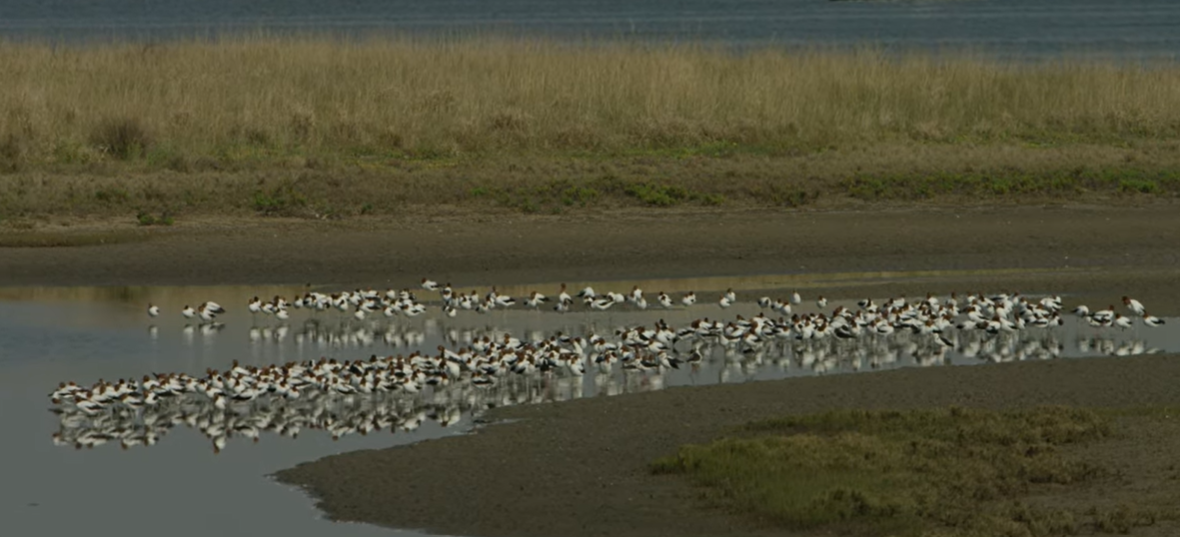
A large flock of black and white birds, in a body of water, with tall, dry grass in the distance.

Ramsar wetlands preservation in the Hunter region

  • Context: Regional
  • 2023-2028

The Securing the Sanctuaries of Ramsar and Priority Wetlands for Migratory and Marine Species project supports the recovery and resilience of the Hunter Estuary Wetlands and Myall Lakes Ramsar sites, alongside First Nations peoples.

Project works include:  

  • improvement of habitat and mitigation of impacts of rising sea levels for threatened species, including the eastern curlew through:
    • restoring and repairing dykes to improve high tide roost habitat and mitigate impacts of climate change and rising sea levels  
    • improving habitat quality and reducing threats to migratory shorebirds 
  • support for increased leadership and participation of First Nations peoples in the management of threats. 
  • supporting the community to better understand migratory shorebirds and how to minimise impacts of their activities on roosting and feeding habitat 
  • scientific research to inform Ramsar site management actions 
  • supporting knowledge sharing and collaborative management of Ramsar sites. 
Visit website
Project funded by

This project is funded by the Australian Government Natural Heritage Trust and delivered by Hunter Local Land Services, a member of the Commonwealth Regional Delivery Partners panel.

These waterways and wetlands are listed as Wetlands of International Importance under the Ramsar Convention for their migratory shorebirds like the Eastern curlew, and as a home to threatened species and threatened ecological communities. 

Eastern curlew migrate annually between Australia, China and Russia. They require undisturbed feeding and roosting sites so they can build up enough bodily reserves to survive their long migration flights. The eastern curlew is one of the flightiest species of birds. A curlew can be spooked by a person from as far as 250 metres away, making them highly susceptible to disturbance.  

Key threats to these wetlands and their ecosystems include changes to tidal range and freshwater/saltwater balance, habitat loss and fragmentation, introduced predators, weeds, pollution, and industry, urban and human disturbances.
Read more here.

Our regions our people

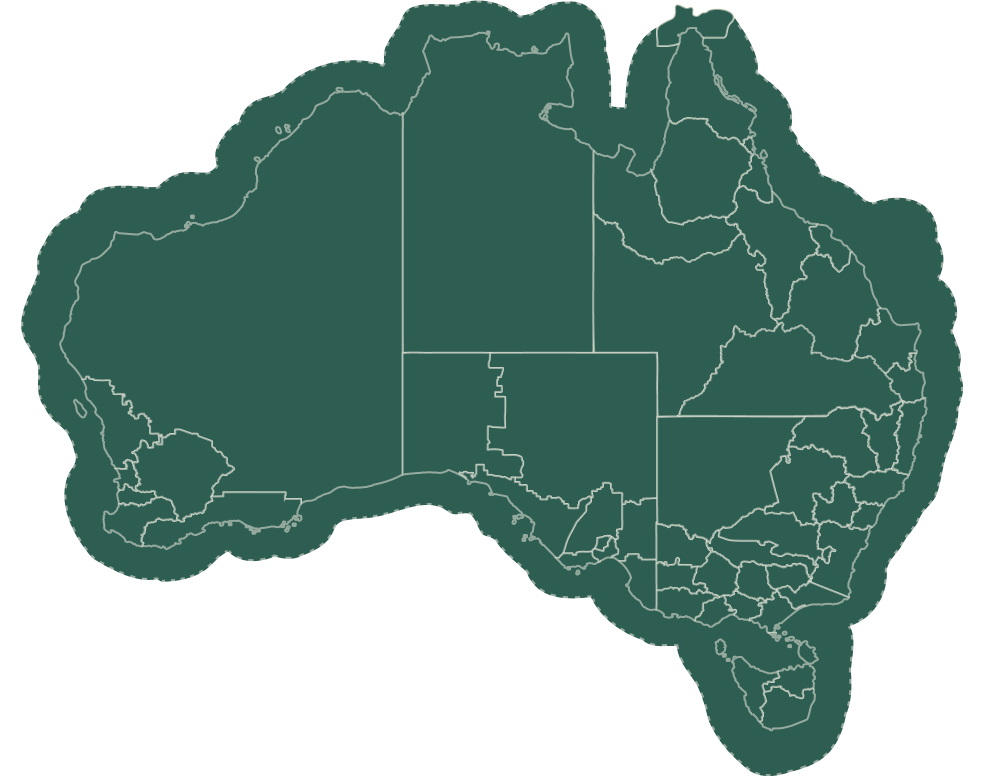
54 Regional NRM organisations work with people across the country - from the local to national level to manage our land, water, soil, plants and animals.

Secret Link