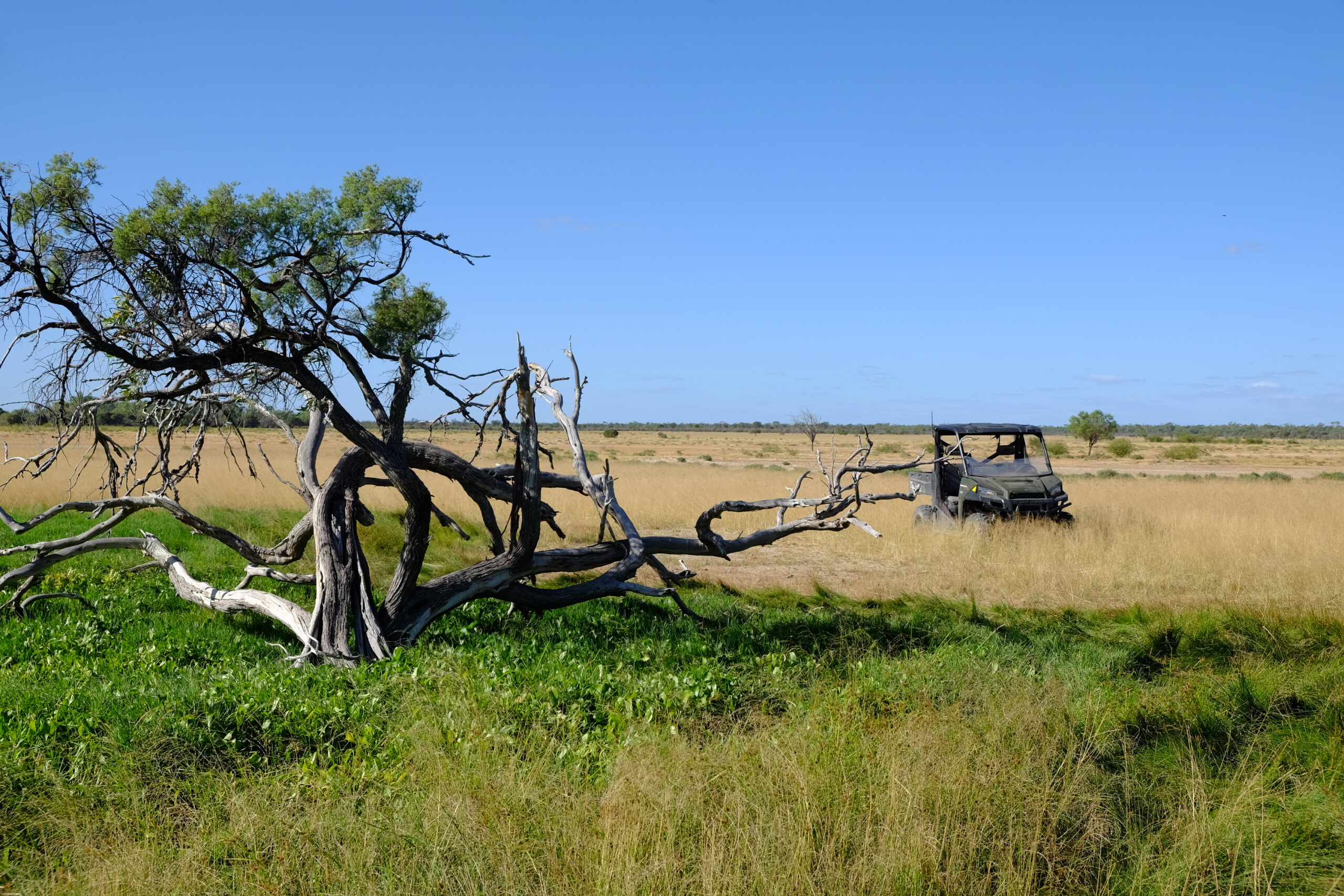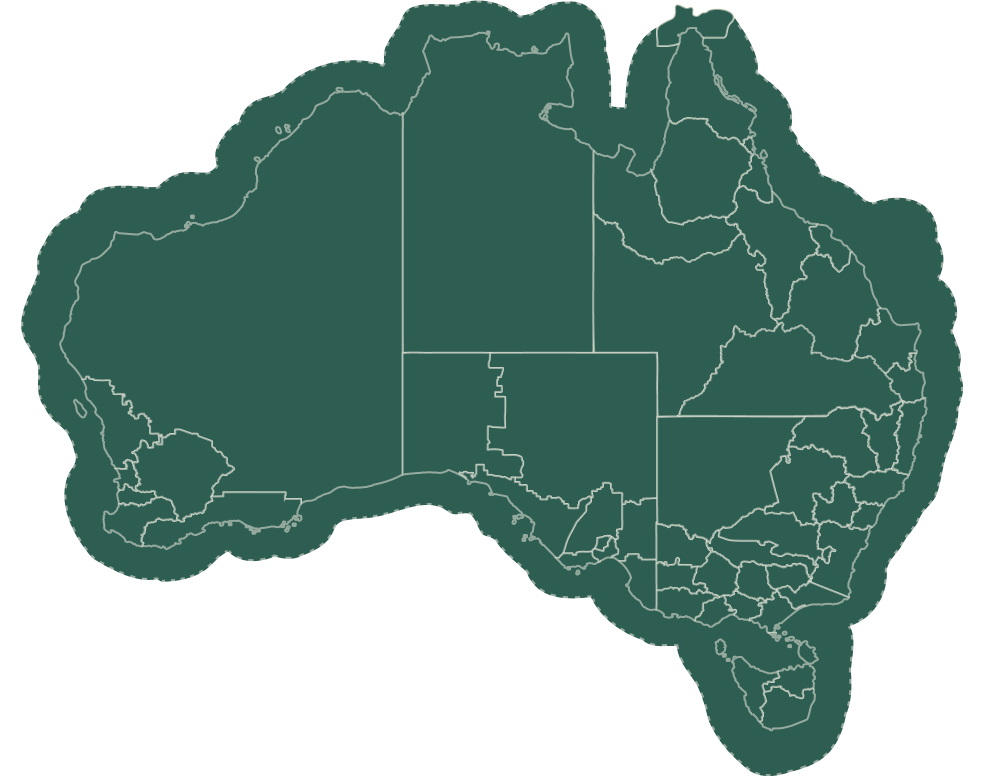
The Great Artesian Basin (GAB) is Australia’s largest groundwater system and a vital water source for much of inland Australia, spanning Queensland, the Northern Territory, South Australia, and New South Wales. Recent bore capping efforts in the Desert Channels region have increased underground water pressure, leading to the re-emergence of natural springs across Western Queensland. So far, 95 new springs have been identified, compared to only 10 previously known.
These springs are ecologically significant, supporting unique biodiversity and providing water for pastoral use. However, they are under threat from invasive species such as cane toads, feral cats, and weeds, as well as land-use pressures.
To address this, Desert Channels Queensland is working with landholders and Aboriginal communities on a four-year conservation program running to June 2028. The project focuses on invasive species control, ecological monitoring, reducing grazing impacts, and incorporating Traditional Ecological Knowledge into management. The goal is to protect and enhance the long-term health of these fragile spring ecosystems.

Funded by the Australian Government, Natural Heritage Trust.
Explore related resources for this project in the knowledge hub