
Work includes:
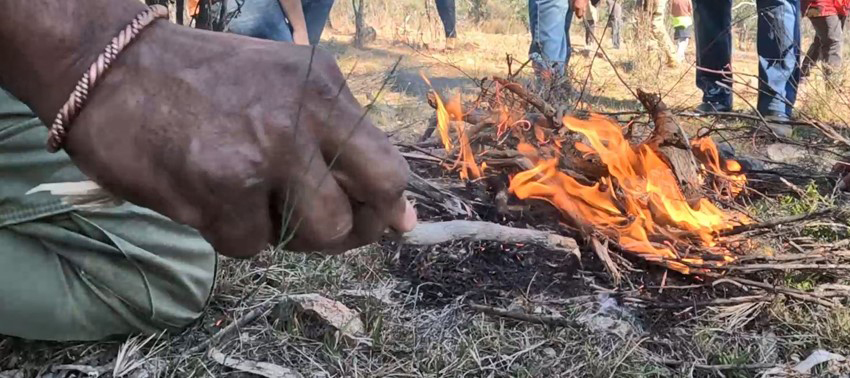
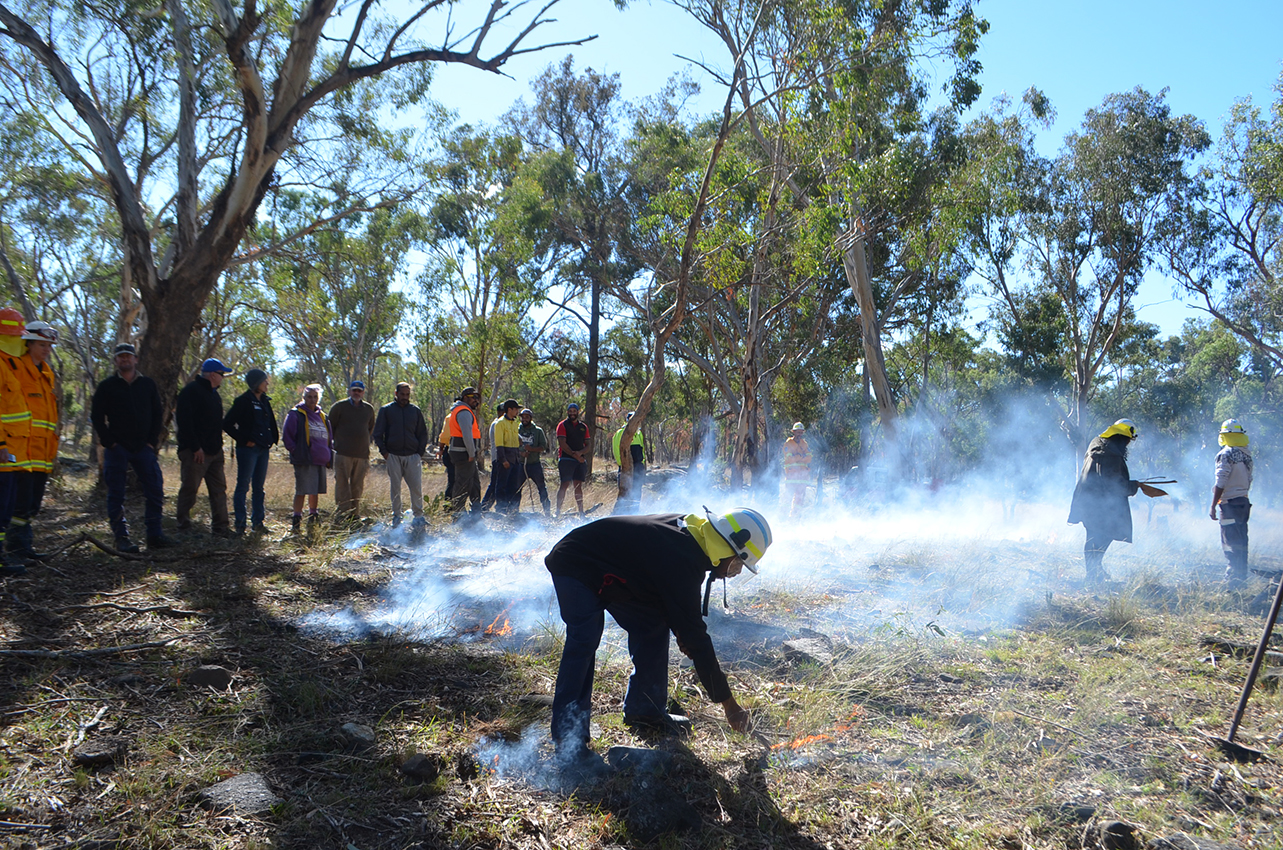
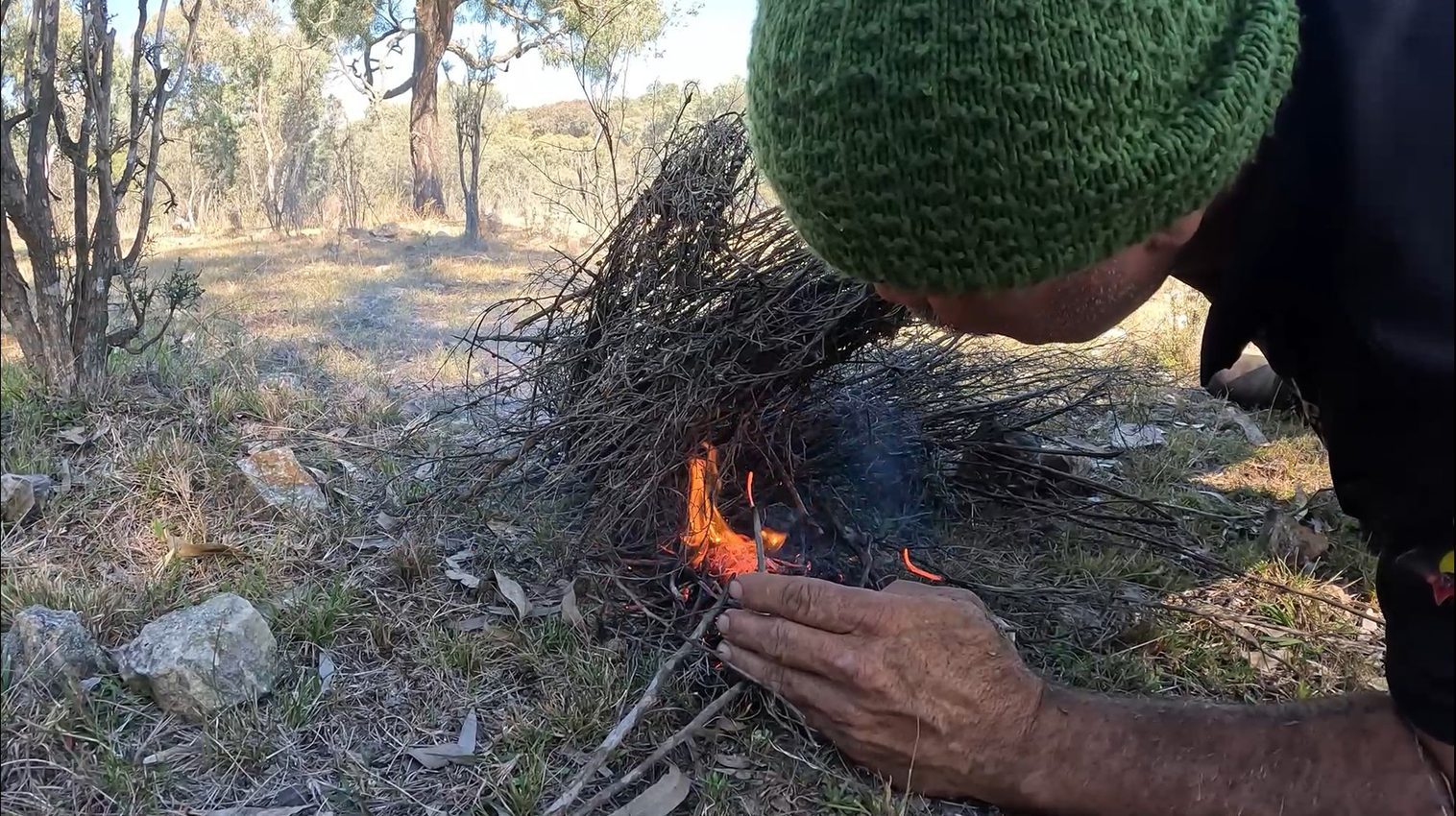
- cultural or cool burns
- protection of Bell’s turtle nesting areas
- pest animal control
- training in land management
- revegetation
Cultural burns play an important role in delivering better outcomes because they:
- help seeds of native plant species to germinate
- remove fire-prone weeds
- reduce fuel load, which can make the woodland vulnerable to uncontrolled (hot) bushfires
- create mosaics of groundcover that provide habitat for animals, which supports their survival.
Work so far includes:
- 7 cultural burns completed across 73 ha of the region
- pre- and post-burn habitat condition assessments
- 2 Indigenous knowledge sharing events
- training support for Certificate III Conservation and Ecosystem Management (Cultural Burning)
- Vertebrate Pesticide Induction Training (VPIT) delivered to support Aboriginal rangers with their work on Country
- 26 temporary electrified fox deterrent fences installed to protect priority Bell’s turtle nesting areas
- 2 ha revegetation completed to restore the BGGW endangered ecological community
- surveys for the critically endangered regent honeyeater.