
Key outcomes:
- AW’s support includes funding, field staff (including an ecologist), training for Anangu rangers, mapping, and data management services
- Protecting priority listed threatened species in remote area, using Traditional Ecological Knowledge
- Indigenous-led project involving many dozens of Anangu rangers over almost two decades
- More than 50 Traditional Owners involved in planning and consultation in 2020-21 alone
- Trajectory of the threatened species has notably improved, however, ongoing support is still required for the foreseeable future
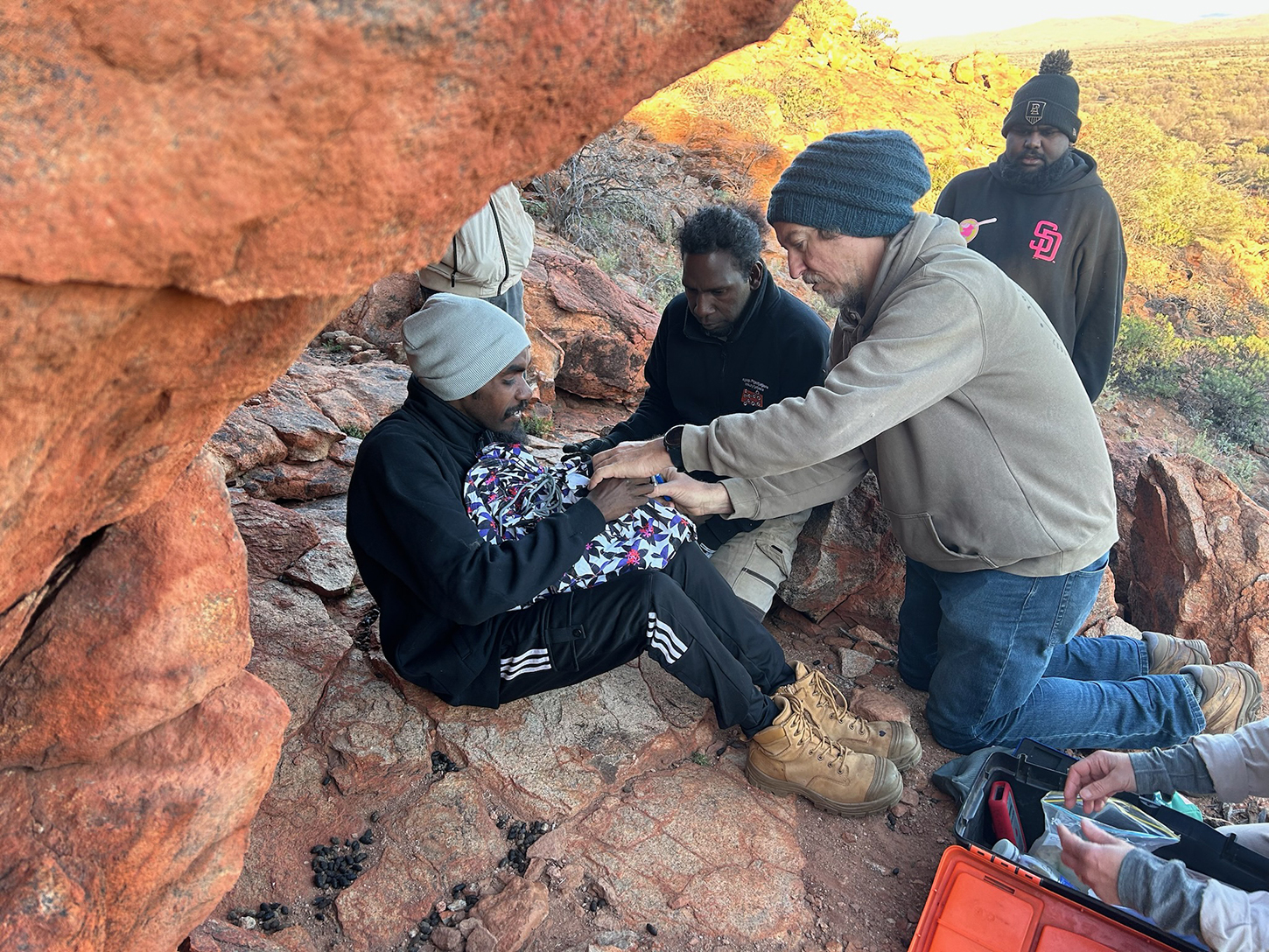
- In 2022 Indigenous Warru Rangers completed their first independent warru population survey, demonstrating the growing capacity of Indigenous ranger teams.
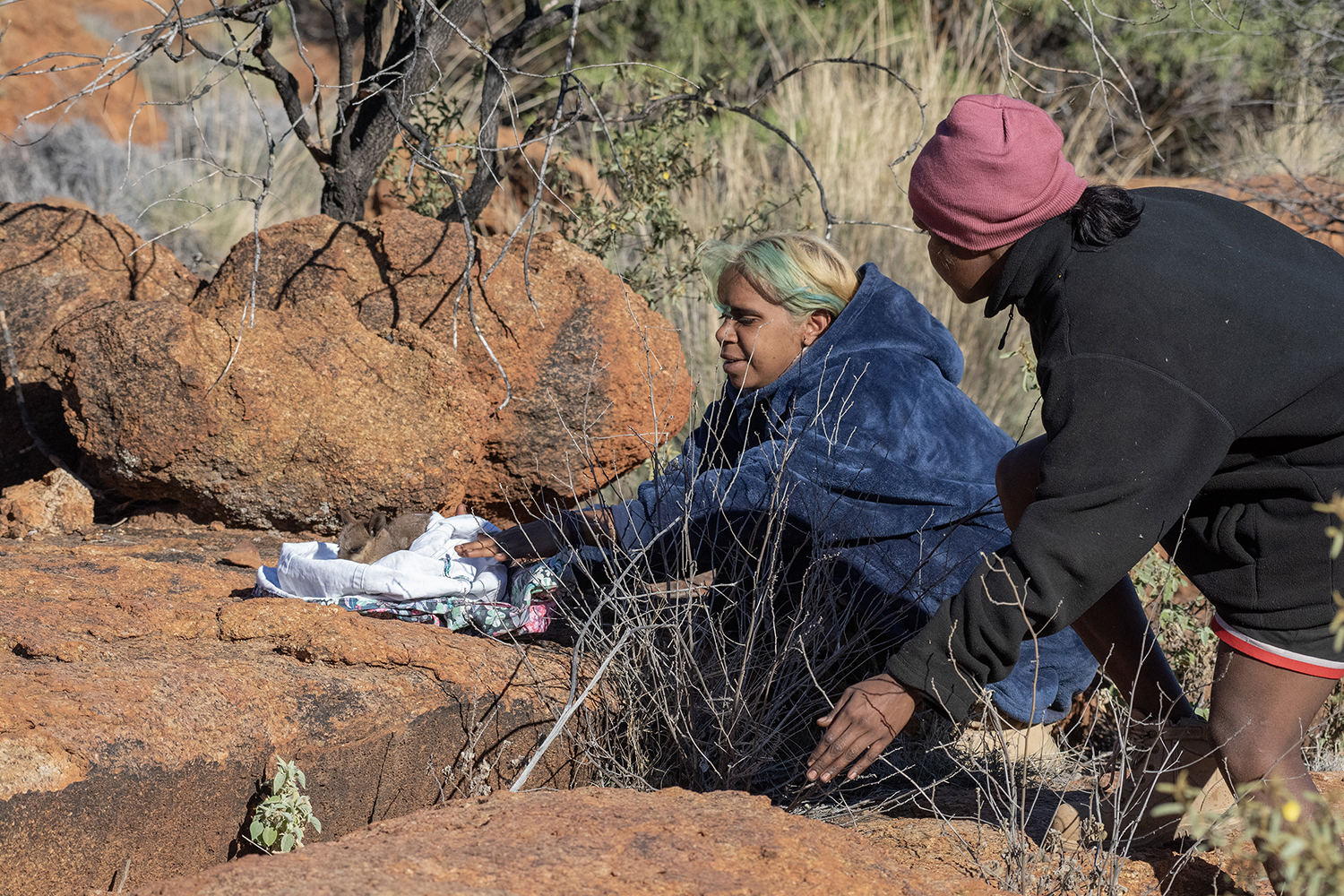
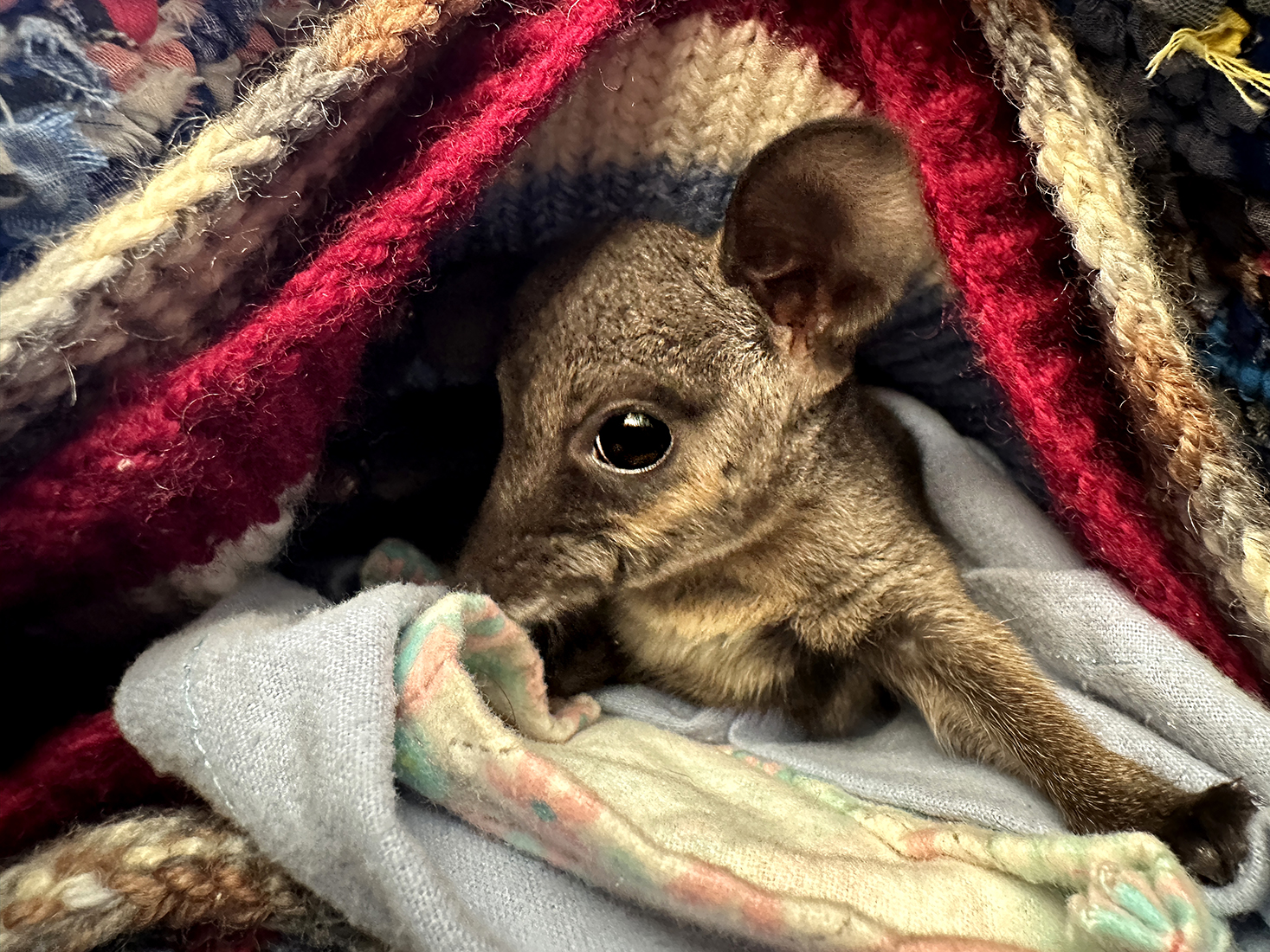
- Hand-raised warru initially released into a predator free fenced area known as the Pintji
- Ranger teams are now looking to expand the Pintji to increase the diversity of threatened or lost species back to the APY Lands – bringing species richness back
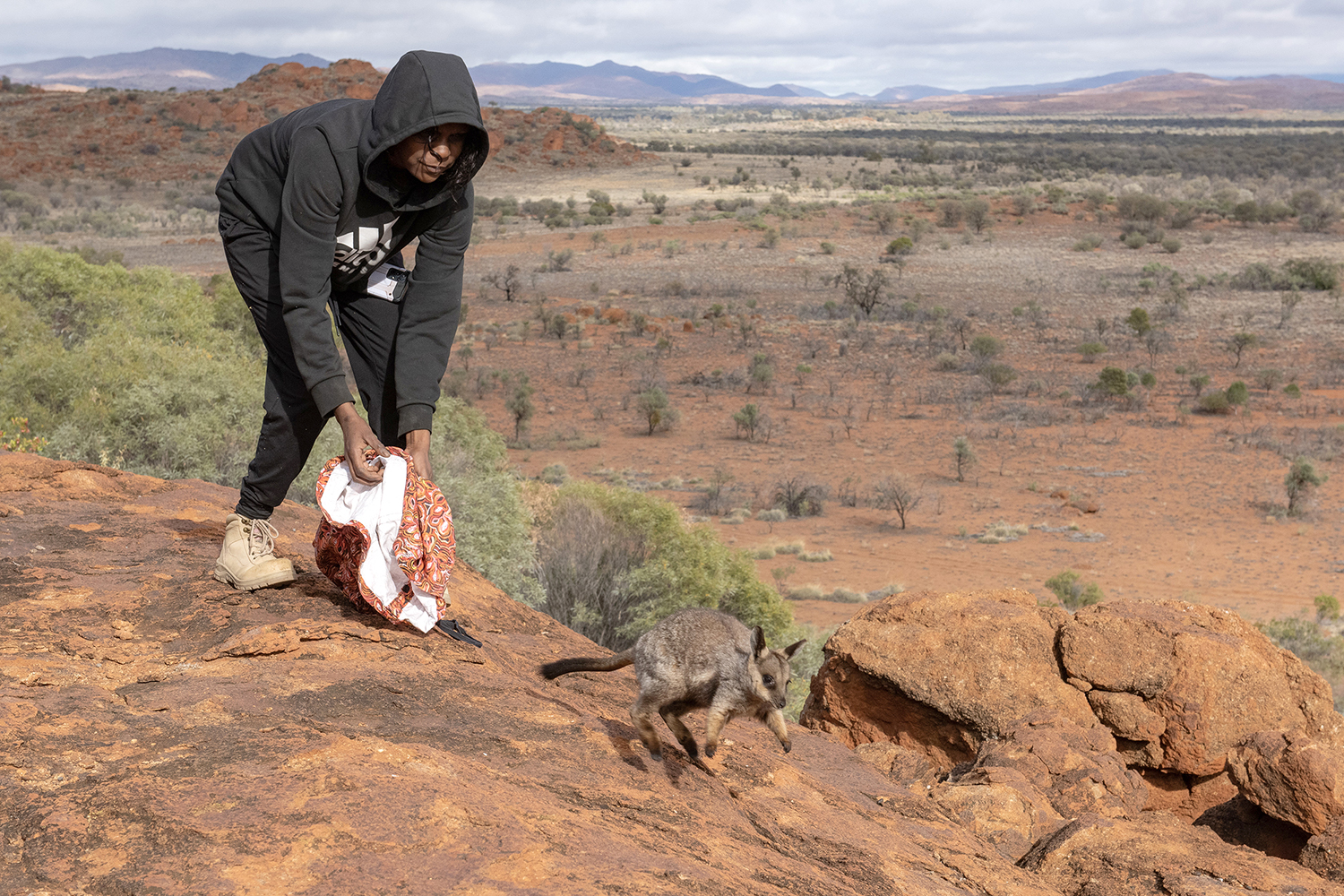
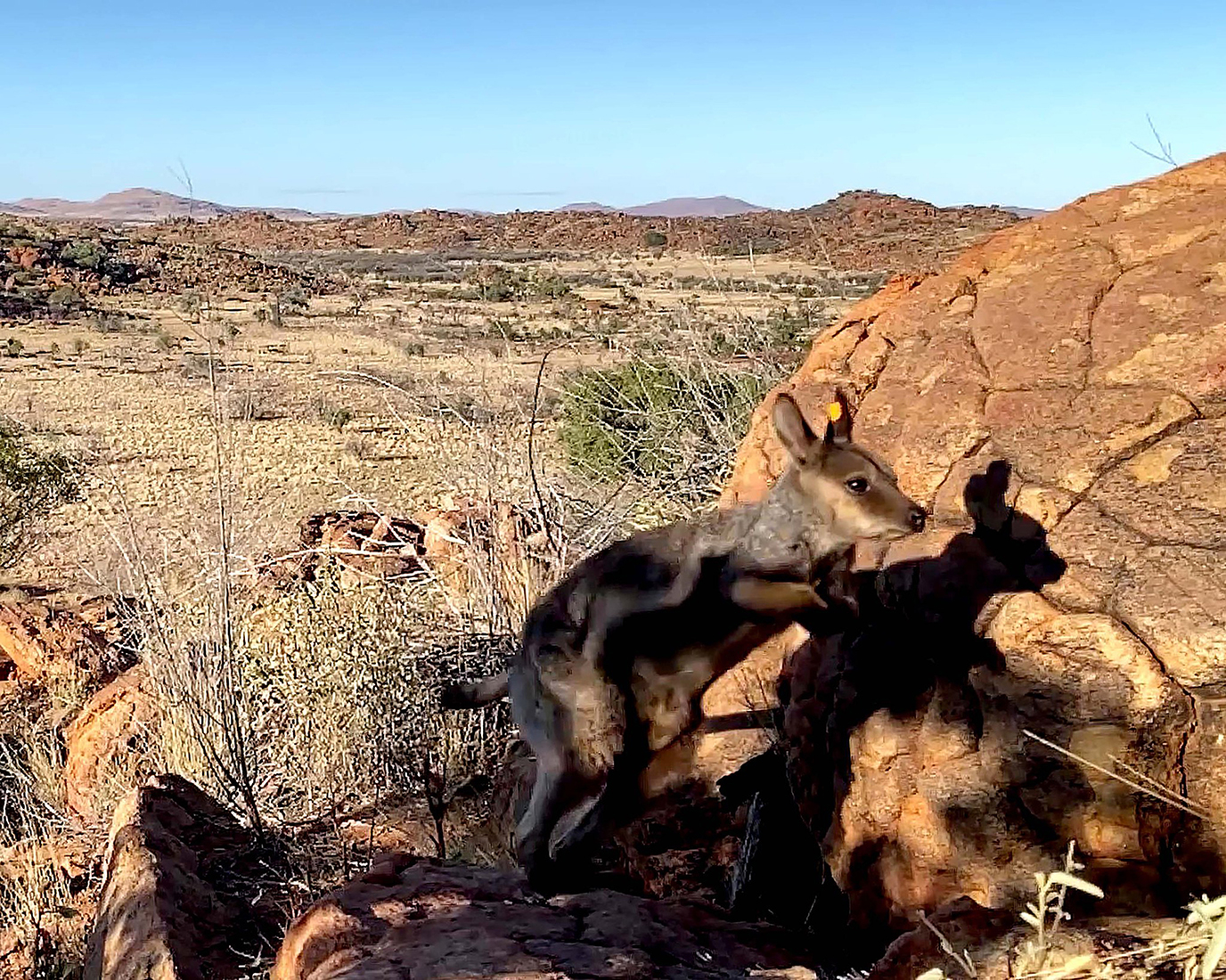
- Multiple translocations: warru taken from Pintji populations then reintroduced to former habitats, with 299 animals released into the wild since 2017
- Monitoring shows newly reestablished population is persisting and breeding
- It is essential to ensure buffel grass is effectively controlled in key warru habitat
- Ongoing monitoring and threat management needed to support wild populations