-
Collection

Overview

The Department of Climate Change, Energy, the Environment and Water (DCCEEW) have developed these plans to provide for the research, management, and any other actions necessary to reduce the impact of key threatening processes on native species and ecological communities.

Implementation should assist with the long term survival in the wild of affected native species or ecological communities.

Showing resources
View as:

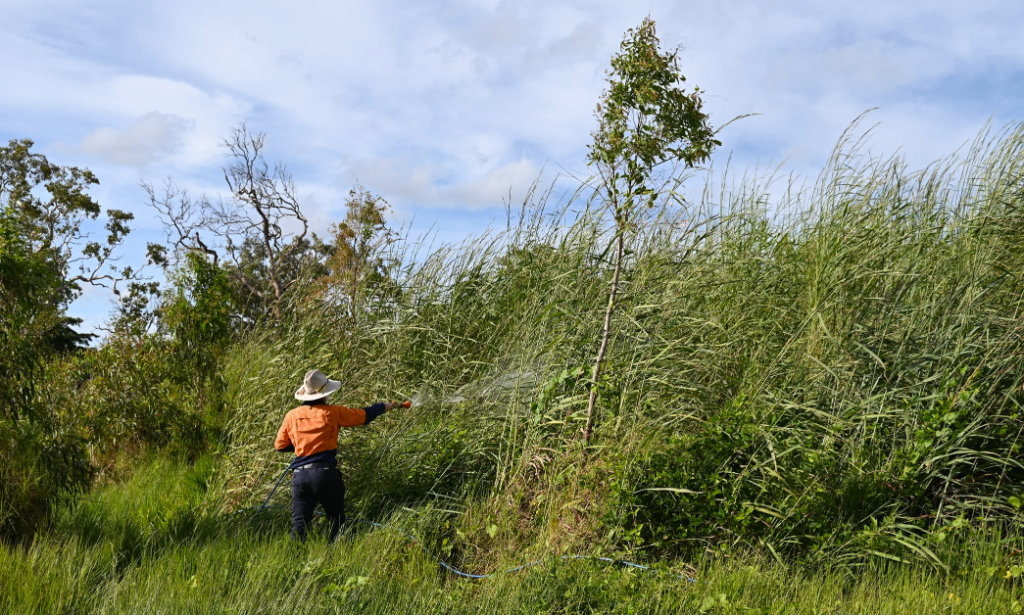
Threat abatement plan for ecosystem degradation, habitat loss and species decline due to invasion of northern Australia by introduced gamba grass, para grass, olive hymenachne, mission grass and annual mission grass

Actions to minimise the impacts of the 5 invasive grass species and ensure the survival of native species and threatened ecological communities.
Plan · 2026 · Department of Climate Change, Energy, the Environment & Water
  • +1

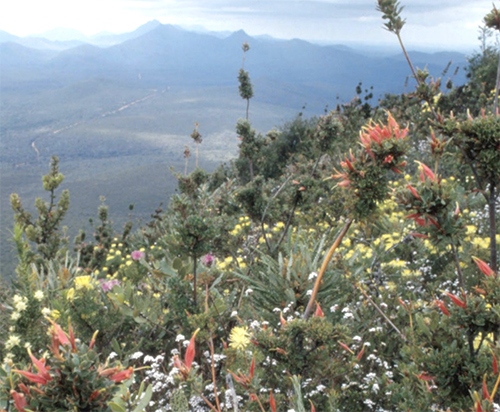
Threat Abatement Plan: for disease in natural ecosystems caused by Phytophthora cinnamomi (Dieback)

Actions to abate the threat to Australia’s biodiversity from Phytophthora dieback
Plan · 2018 · Department of Climate Change, Energy, the Environment and Water (DCCEEW)

Psittacine beak and feather disease

Actions focused on containing beak and feather disease virus from becoming a key threat to psittacine birds
Plan · 2024 · Department of Climate Change, Energy, the Environment and Water (DCCEEW)

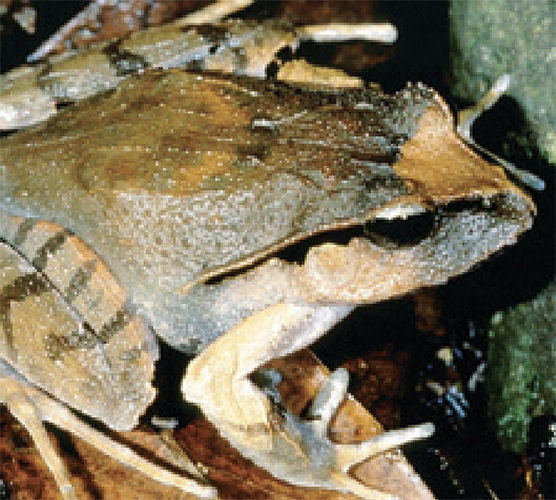
Threat Abatement Plan: Infection of amphibians with chytrid fungus resulting in chytridiomycosis

Actions to prevent amphibian populations that are currently chytridiomycosis-free from becoming infected and to decrease the impact of infection of populations that are currently infected.
Plan · 2016 · Department of Climate Change, Energy, the Environment and Water (DCCEEW)

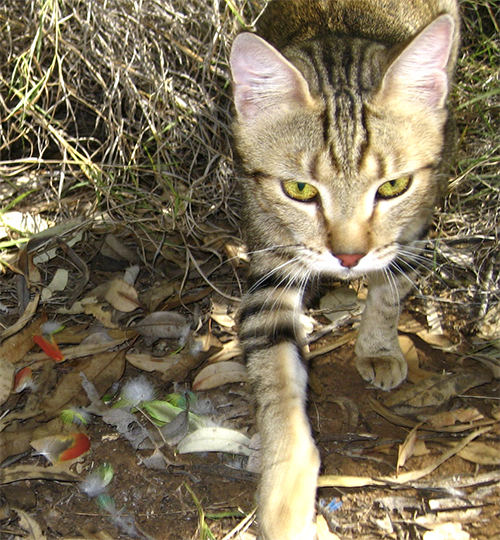
Threat abatement plan for predation by feral cats 2024

Focus' on minimising the impact of feral cats on biodiversity in Australia.
Plan · 2024 · Department of Climate Change, Energy, the Environment & Water
  • +1

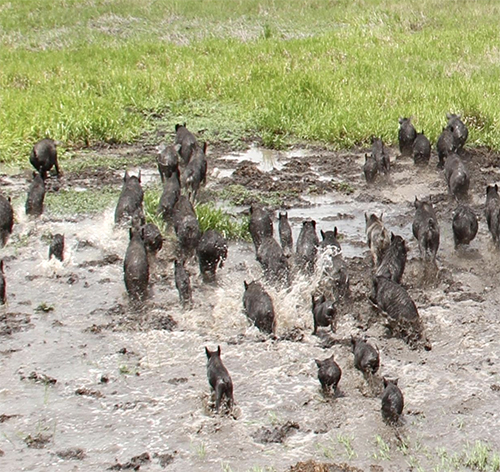
Threat abatement plan: Feral pigs (Sus scrofa)

Focus' on prevention of further species and ecological communities from becoming threatened or extinct due to feral pigs.
Plan · 2017 · Department of Climate Change, Energy, the Environment and Water (DCCEEW)

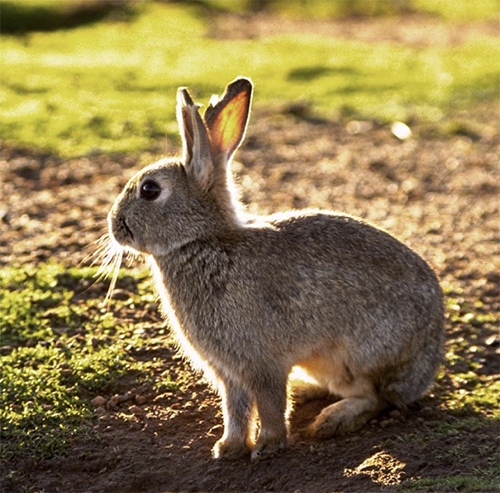
Threat Abatement Plan: Rabbits

A national framework to guide and coordinate Australia's response to the impacts of rabbits on biodiversity.
Plan · 2016 · Department of Climate Change, Energy, the Environment and Water (DCCEEW)

Threat Abatement Plan: European red fox

Focus' on minimising the impact of foxes on biodiversity in Australia.
Plan · 2008 · Department of Climate Change, Energy, the Environment and Water (DCCEEW)

Threat Abatement Plan: Unmanaged Goats

Focus' on minimising the impacts of not actively managed goats wherever they affect biodiversity.
Plan · 2008 · Department of Climate Change, Energy, the Environment and Water (DCCEEW)

Threat abatement plan: Biological effects, including lethal toxic ingestion, caused by cane toads

Focus' on the biological effects, including lethal toxic ingestion, caused by cane toads and the reduction of the impacts of cane toads on native animals and ecosystems.
Plan · 2011 · Department of Climate Change, Energy, the Environment and Water (DCCEEW)

Threat abatement plan: Impacts of exotic rodents on biodiversity on Australian offshore islands of less than 100,000 hectares

A framework document that sets out the research, management and other actions necessary to abate exotic rodents on islands.
Plan · 2009 · Department of Climate Change, Energy, the Environment and Water (DCCEEW)

Did you find this page useful?

If you have any feedback on the above content or would like to make a suggestion for future content, please let us know.
Have a suggested resource for our Knowledge Hub?

Get in touch with our team

Secret Link