
Riverina Squirrel Glider Local Area Management Plan (LAMP)
Led by Local Land Services, the goal of the project is to protect, connect, and restore Squirrel Glider habitat in a priority area through collaboration with landholders, local communities, and local government.
Key Achievements
- 1 population survey completed
- 66 hectares of habitat protected or managed
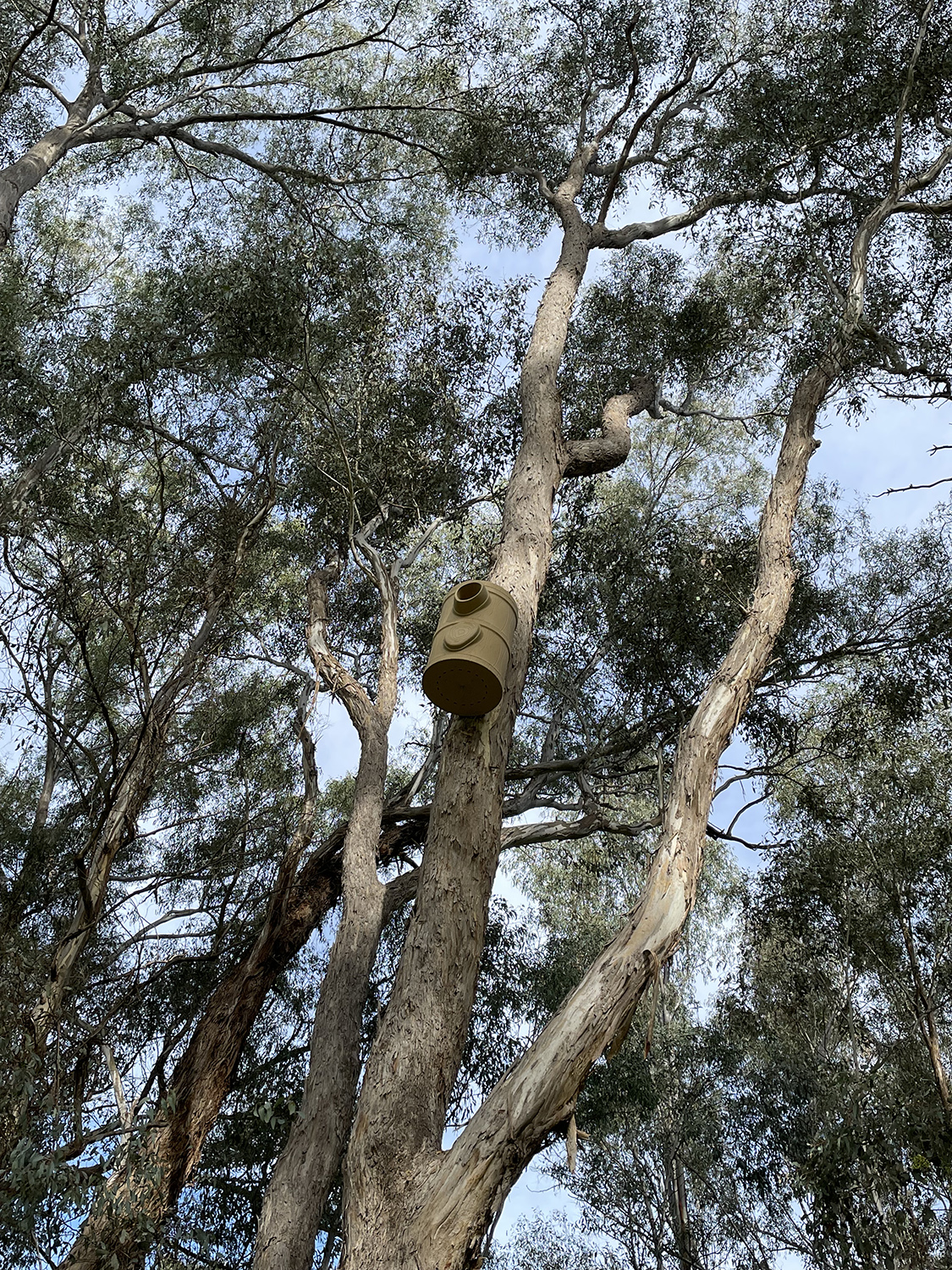
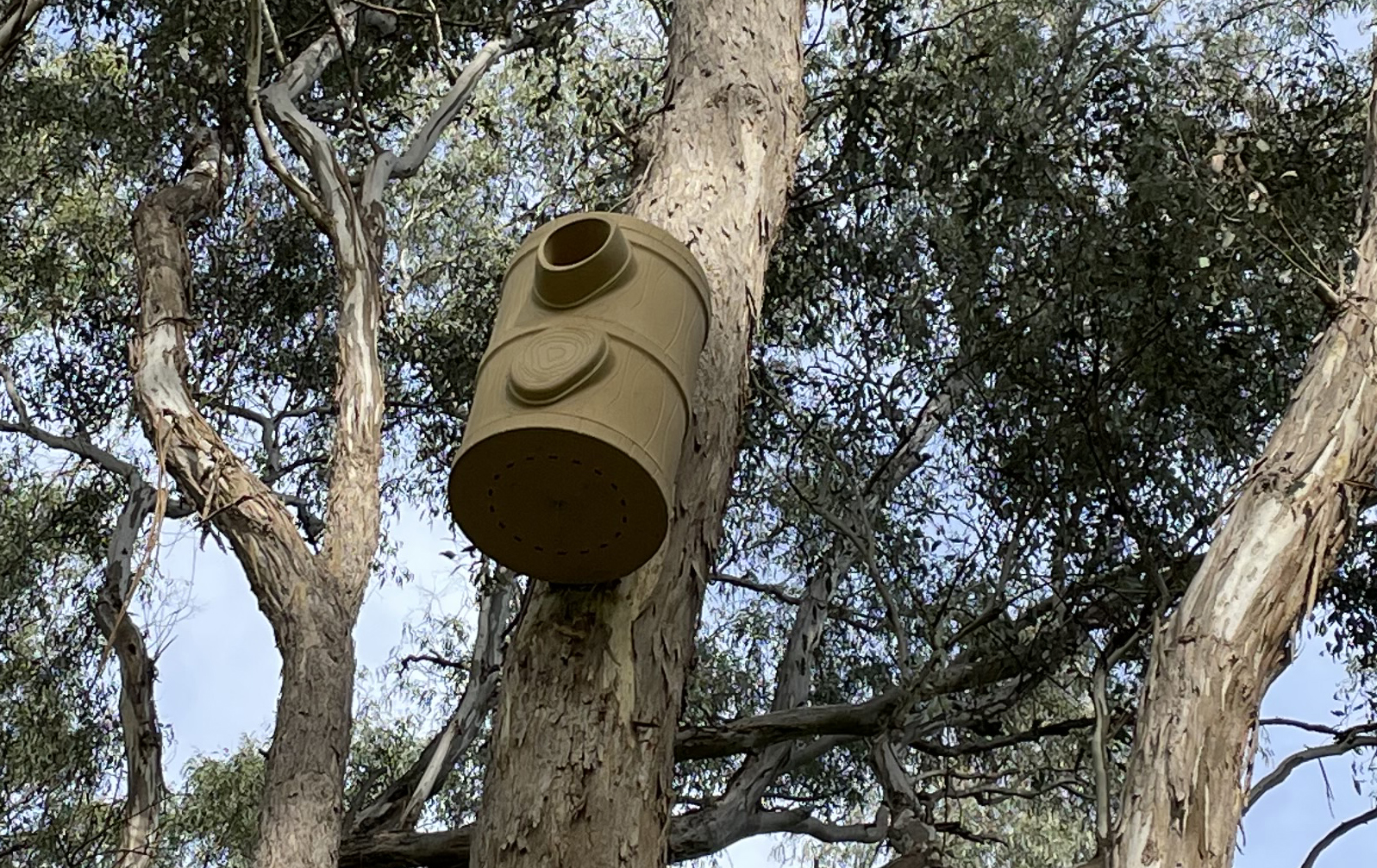
- 30 nest boxes installed
- 860 native seedlings planted for revegetation
- 4 spotlight monitoring nights conducted
- 110 hectares of pest plant control undertaken
- 9 km of barbed wire removed to improve safety for wildlife
- 2 tree giveaways to support habitat restoration
Greater Glider Recovery in the Batlow Area – Summary
Greater gliders, once common around Batlow, have declined sharply due to habitat loss, bushfires, and fragmentation. The 2020 Dunns Road Bushfire caused severe habitat destruction, reducing potential habitat by about 83%. Ground‑truthing surveys led by ANU found gliders only in unburnt or low‑severity burn areas.
A study of the Batlow region identified approximately 17,200 ha of land, with 5,633 ha initially considered potential habitat (based on >5 ha patches). Post‑fire analysis reduced this to ~940 ha. Mapping and surveys from 2021–2024 confirmed surviving gliders in limited areas.
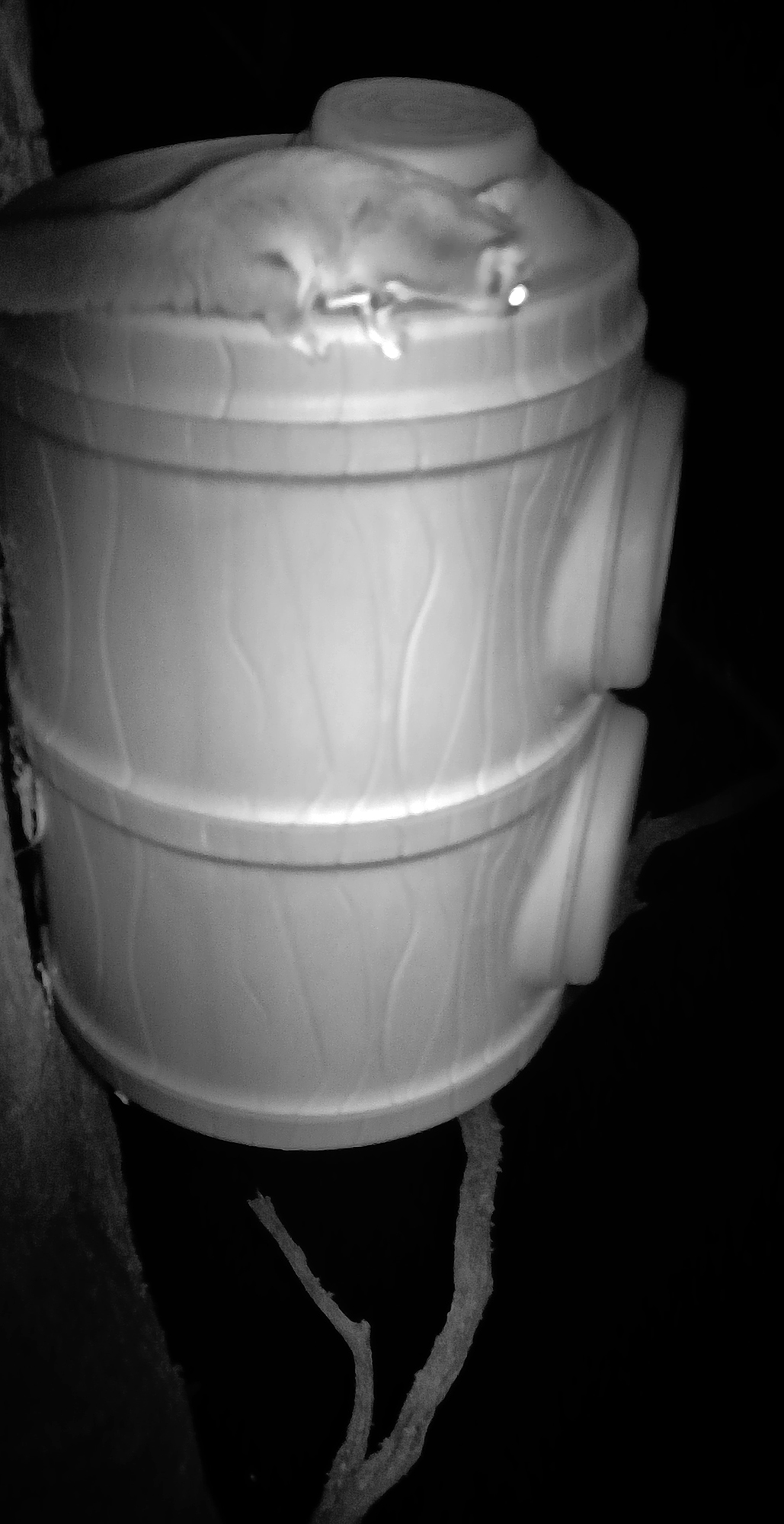
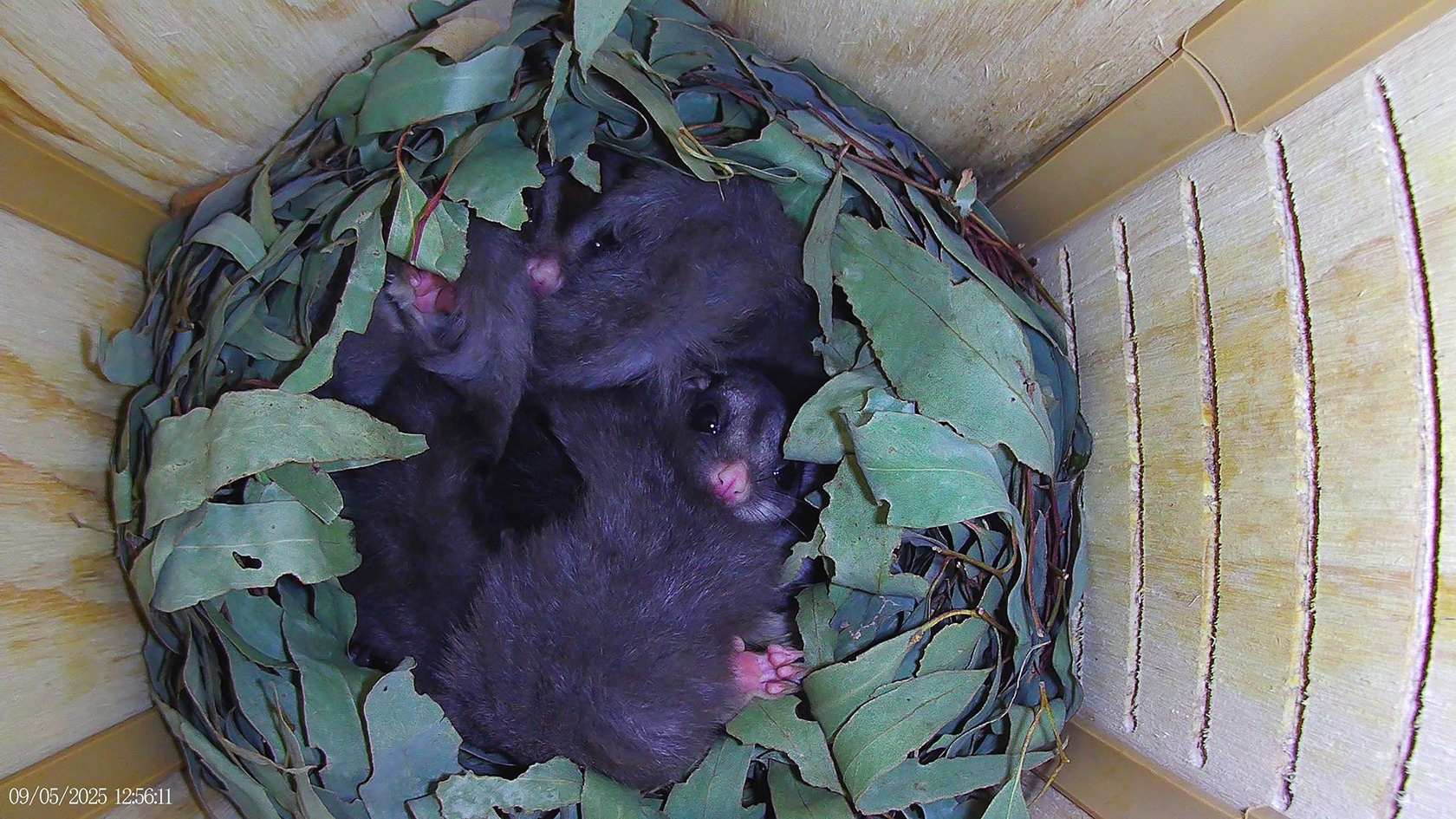
Next steps for recovery include supporting landholders and traditional owners to restore habitat, plant trees to improve connectivity, install nest boxes and in‑situ hollows, and improve fencing to reduce wildlife injuries. Encouragingly, recent nest‑box monitoring has recorded adult and young gliders using artificial hollows, offering hope for long‑term recovery.
Here is an ABC article about the project and its impact on the local community – Endangered greater gliders spotted in Batlow nesting box ignite hope for fire-ravaged colony – ABC News