
-
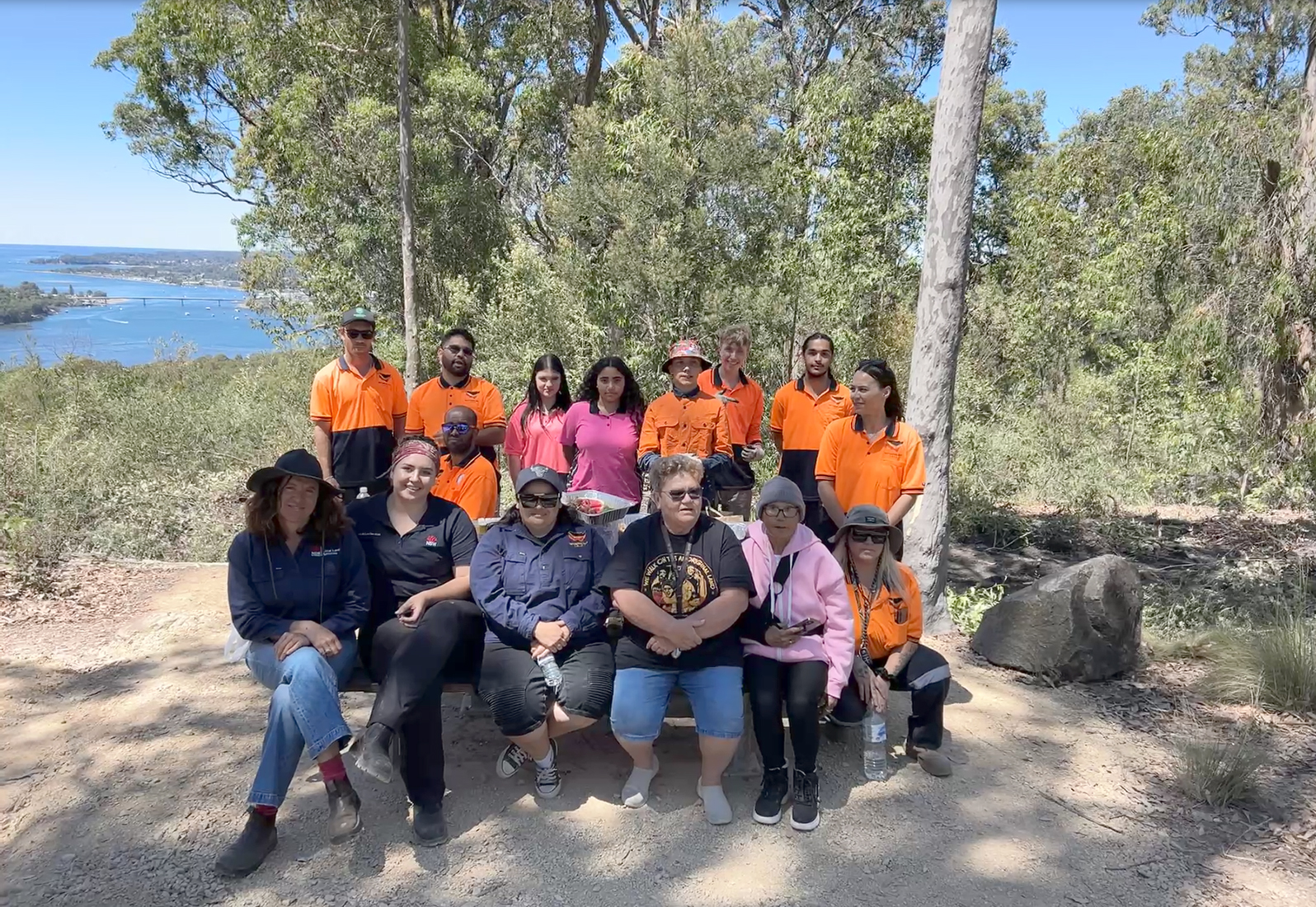
A group of people in high vis posing for a photo, in the background is bushland and the ocean.

Restoring site of significance at Clyde River National Park

  • Context: Regional

During September and November 2025, South East Local Land Services worked with Walbunja Rangers, Batemans Bay Local Aboriginal Land Council (LALC) and NSW National Parks and Wildlife Service (NPWS) to improve the cultural values of a site of significance at Holmes Lookout within Clyde River National Park. 

Holmes Lookout is located within Yuin Country and within the Batemans Bay LALC boundary. The Walbunja People of the Yuin Nation have lived around Yangary (Batemans Bay area) for thousands of years. They have a strong cultural connection to Bhundoo (Clyde River), and Holmes Lookout is an integral part of an Eel Dreaming Story that connects Bhundoo and the surrounding area with Gulaga (Mt Dromedary) in the south and Didthul (Pigeon House) in the north.

Project funded by

This work was jointly funded by the Australian Government under Saving Native Species and the Natural Heritage Trust, and delivered by South East Local Land Services, a member of the Commonwealth Regional Delivery Partners panel.

“There’s an Eel Dreaming site not far along the river – on the mountain there – 8 trees with the Eel carved in and the Eel’s marked out on the ground, its skeleton. The Eel site is in line with Didthul (Pigeon House Mountain) and Dulaga (Gulaga Mountain).”
– Uncle Les Simon, Walbunja Rangers

Uncle Les Simon described the importance of the Eel Dreaming site at Holmes Lookout in 2017. “There’s an Eel Dreaming site not far along the river – on the mountain there – 8 trees with the Eel carved in and the Eel’s marked out on the ground, its skeleton. The Eel site is in line with Didthul (Pigeon House Mountain) and Dulaga (Gulaga Mountain). Straight down from the mountain on the river is where the families camped. Because the men are doing business up on the hill, there’s a monstrous big midden there where they camped. They put a big water tank on top of the Eel but I got them to get rid of it. The last Eel tree was cut down last year [2016].”

Visitors to the site previously used to walk over the Eel Dreaming site and park on numerous artefacts found in the area. In the past, scar trees had also been removed to allow for a clear view of the Clyde River and Tollgate Islands. After consulting with Elders, a plan was made to rehabilitate the site and restore the cultural values. 

Walbunja and NPWS rangers worked together to move the car park and redivert the path away from the sites of cultural significance. Trees were planted in bare areas to rehabilitate the site and picnic tables moved away from the Eel Dreaming site. Elders also re-scarred trees on site to make up for those lost in the past.   

This has resulted in an area that now protects both artefacts and the Eel Dreaming site while beautifying the area for visitors. 
Our regions our people

54 Regional NRM organisations work with people across the country - from the local to national level to manage our land, water, soil, plants and animals.

Secret Link