NRM Regions Australia respects the enduring spiritual and physical connection of Traditional Owners as Custodians of Country. We value the importance and diversity of the knowledge and understanding of Traditional Owners, which is based on a history of adapting to shifting climatic conditions, and balancing nature and society.
We respect and recognise them as the first natural resource managers of Australia who have practised nature based solutions for more than 60,000 years and recognises their Elders, both past and present. We commit to working together to care for Country.
Australia’s 54 regional NRM organisations are ideally placed to scale up the implementation of nature-based solutions (NbS) across Australia, to reduce the risks that disasters like floods, fires, and droughts pose to our communities, businesses, and landscapes.
The Nature-led Resilience program is building the onground examples, cross-sectoral alliances, knowledge, practitioner networks, policy frameworks, and investment models needed to scale up adoption of NbS for disaster risk reduction in Australia, for the benefit of all.
Nature-led resilience is an ongoing NRM Regions Australia program to improve awareness, capability, and investment for nature-based solutions that can deliver disaster risk reduction and other benefits across Australia. The first phase of this work is rolling out from 2024-2026 with support from the Minderoo Foundation.
There are numerous opportunities for co-investment in our Nature-led Resilience program – please contact us to discuss.
NRM Regions Australia gratefully acknowledges support from Minderoo Foundation.
Explore resources contributed and created through this project
Our long-term vision is that: Community resilience and preparedness to climate and disaster risks in Australia are strengthened through active participation and implementation of nature-based solutions.
Aligned with our long-term vision the project will drive progress towards the following impacts.
Short-term
Long-term
Nature-based solutions (NbS) are actions to protect, sustainably manage, and restore ecosystems to address critical societal challenges like climate adaptation, disaster risk reduction, food and water security, and biodiversity conservation.
NbS remains underutilised as a tool for disaster resilience and climate adaptation in Australia, and there is an urgent need to provide leadership in widening the adoption of NbS nationally to provide impact for communities, business, and nature.
We see that there are several barriers slowing the wider uptake and expansion of NbS for climate adaptation and disaster risk reduction including the following.
Delivering NbS is core business in the NRM sector. Australia’s network of regional NRM organisations represent national infrastructure that can support the coordination and delivery of NbS for disaster and climate resilience, given their knowledge and experience in integrated landscape management, place-based approaches, and commitment to collaboration and partnerships.
This project provides the opportunity to highlight the broader benefits of NbS that can be delivered by regional NRM organisations and their partners in the Australian context.
This is a national program to support outcomes for all Australian regions. To ensure that the program has the desired impact at a regional and national level, it is rooted in a collaborative, community-centred, place-based approach that raises the profile of regional voices and First Nations leadership wherever possible.
To enable an increase in evidence, knowledge and frameworks that support the upscaling of NbS in Australia for disaster risk reduction and climate adaptation, we are undertaking the following approach.
We are delivering a suite of activities as part of the Program:
Onground trials of NbS
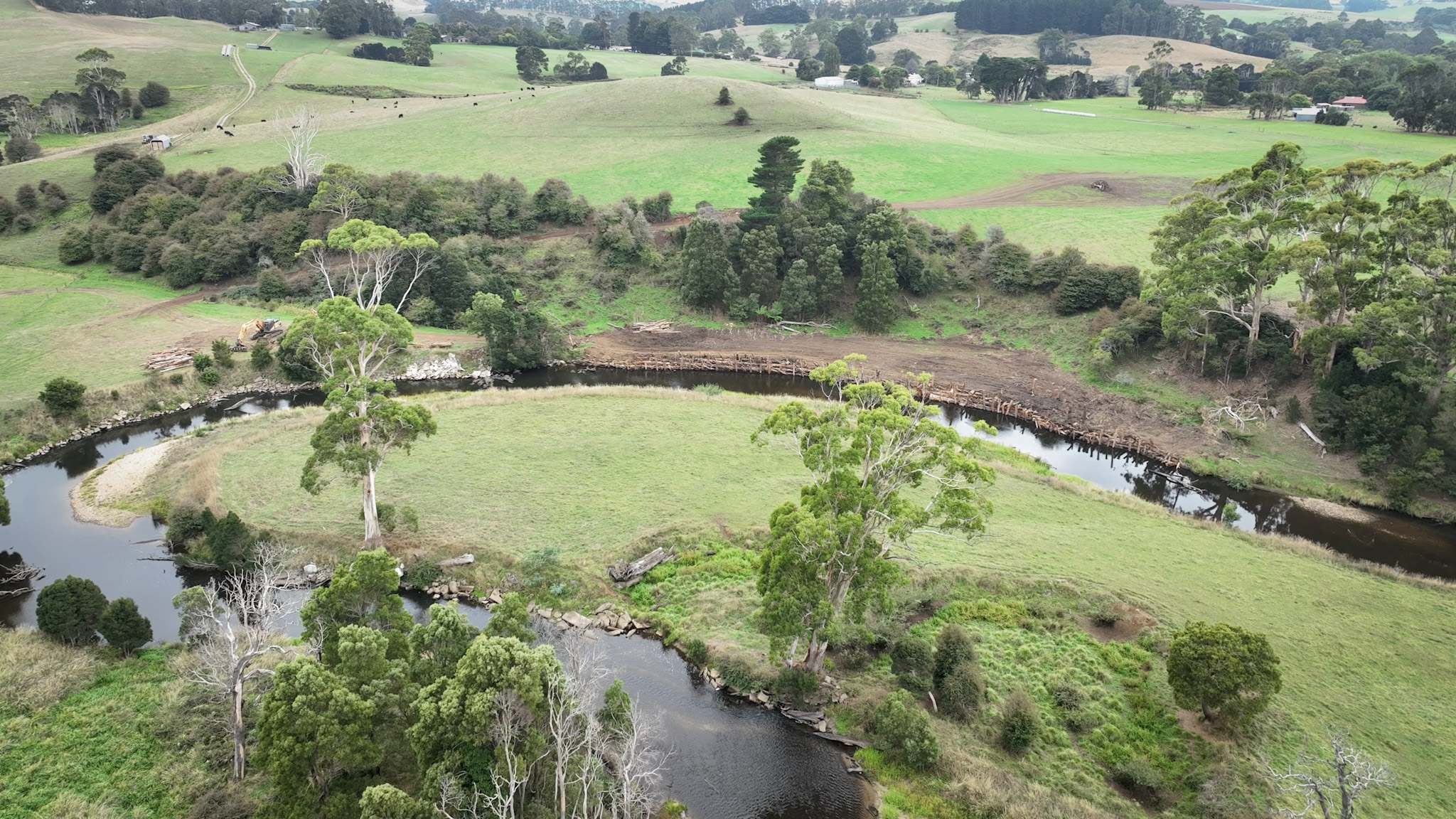
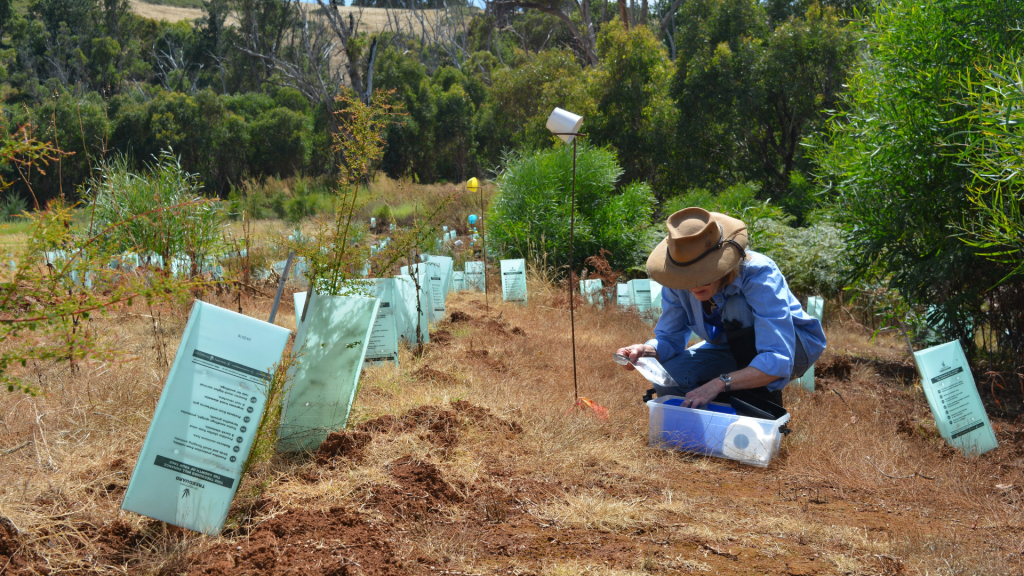
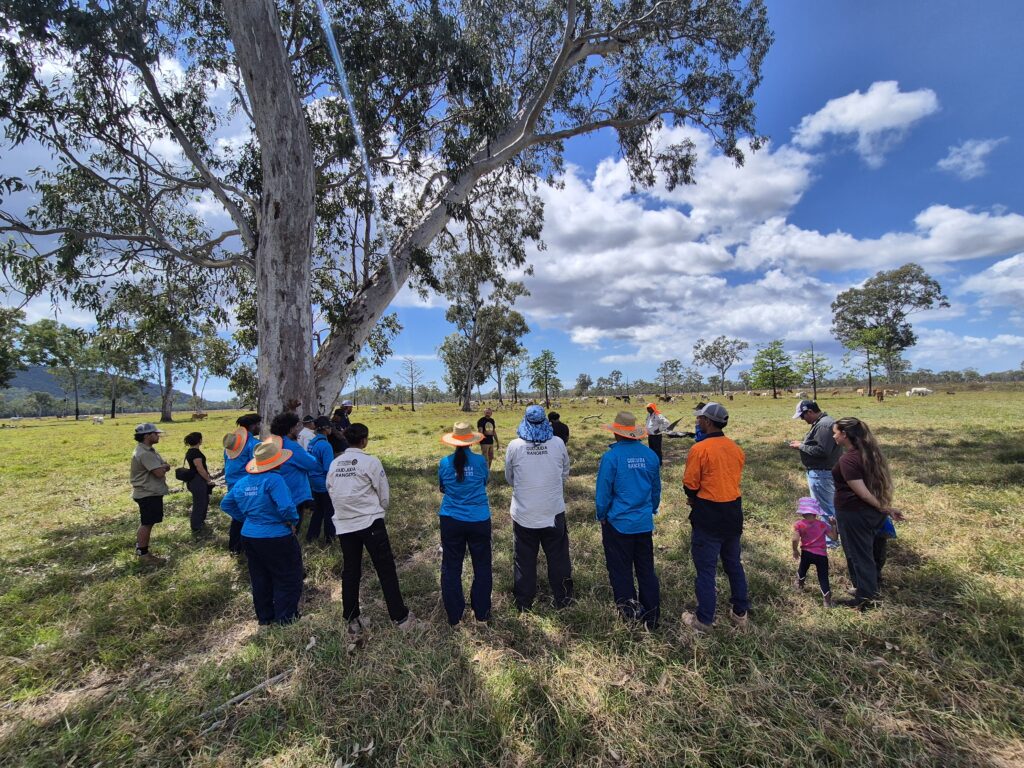
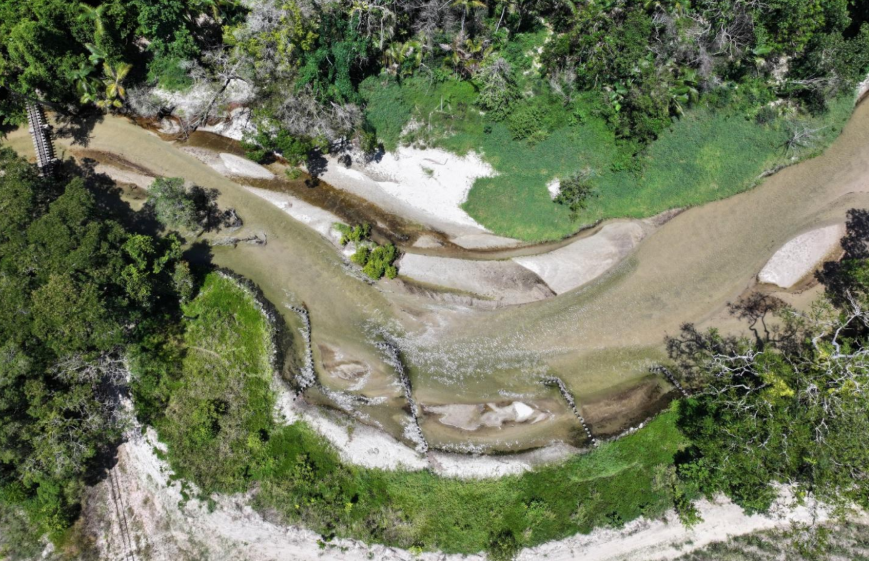
We are partnering with regional NRM organisations across the country to implement a series of new NbS projects and enhancements to existing projects, with work now underway in 11 NRM regions. These trials are designed to reduce landscape-level fire, flood and climate risk and deliver multiple co-benefits for communities, businesses, and nature. Importantly, these pilots also demonstrate the capability of regional NRM organisations as national infrastructure for scaling up NbS.
If you scroll to the bottom of the page, you can read more about some of the trials.
Regional NRM organisations work with a wide range of partners across Australia and are key enablers with connections into the broader Australian community across all sectors, and in both rural and urban centres.
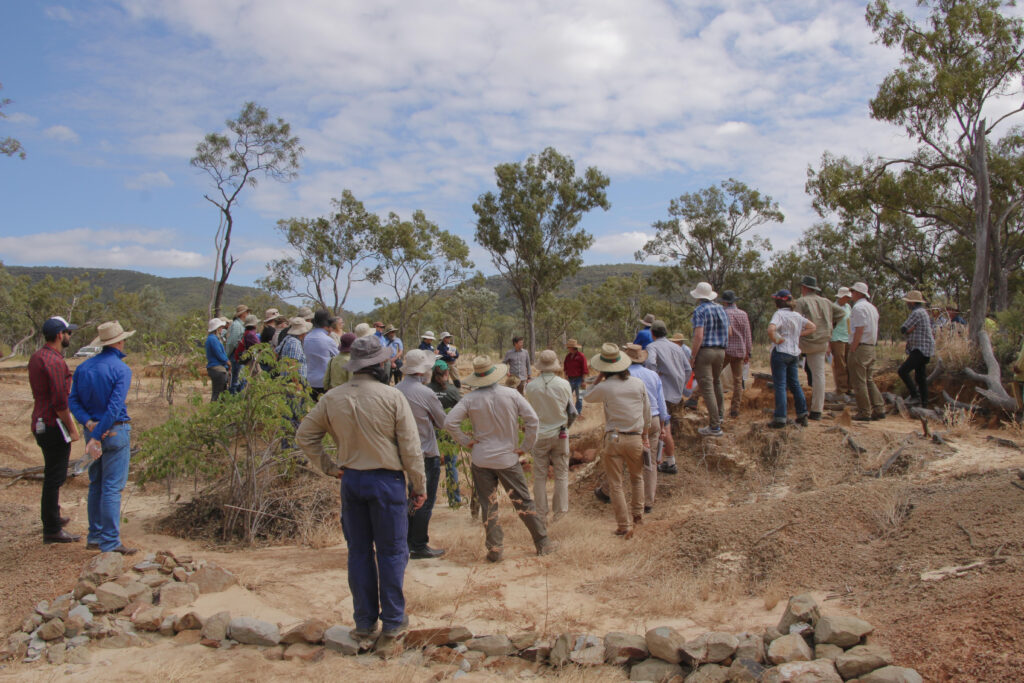
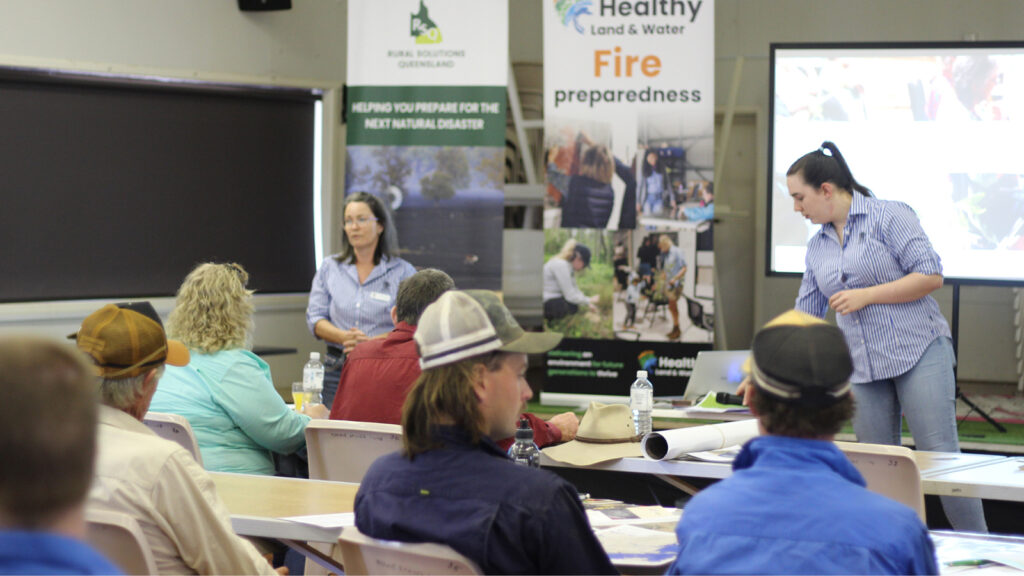
We are facilitating a Community of Practice of staff from regional NRM organisations to share knowledge and understanding of NbS and its role in addressing disaster risk reduction and climate adaptation. The CoP includes over 100 NRM practitioners spread across the country, who are sharing their experience and expertise and learning from a broad range of external experts, to better understand:
Up until now, there has been a lack of aggregated, accessible, transferable, relevant and practical information about the use of nature-based solutions for disaster risk reduction and climate adaptation in Australia. We’ve addressed this gap by creating and continually curating an online Knowledge Hub with guidelines, policy frameworks, and other tools to increase awareness and understanding of NbS, the impact they have, and how they can be used.
This is supporting the translation of NbS to many parts of the country, and increasing understanding of limits and considerations when adopting NbS.
Demonstrating NbS benefits
The trial projects and project enhancements are helping to strengthen the evidence base for the effectiveness of NbS. This evidence base can inform investment decisions by the government and business.
As we undertake evaluations and collect evidence from the trials, we are sharing this widely to help foster a diverse community of allies and advocates with greater knowledge of NbS benefits. Throughout 2025 this included engaging at several national and international conferences, hosting workshops for a range of interested stakeholders, and meeting regularly with representatives and decision-makers in public policy and sustainable finance.
National Reporting Framework
Historically there has not been a consistent framework to collate and compare NbS projects across the country. We are creating a practical, low-cost approach that draws on existing tools and data sources. This will support the consistent reporting of NbS benefits that are important to private and public investors.
Policy, Planning and Investment
To get the most out of NbS, we need to ensure we have effective policy and investment frameworks in place for the long-term. Using practical examples from the NRM sector and this project, we will prepare a report that identifies opportunities for a greater role of NbS in addressing existing policy commitments, and recommendations for investment mechanisms.
NRM Regions Australia is working with many partners to deliver this project including:
Strategic Advisory Group
Our Strategic Advisory Group includes senior leaders from Climate-KIC, Minderoo Foundation, Australian Government Department of Climate Change, Energy, the Environment and Water, Australian Local Government Association, Landscape Finance Lab, Investor Group on Climate Change, Responsible Investment Association of Australia, Australia Sustainable Finance Institute, Engineers Australia and Green Cross Australia. We use the collective knowledge, expertise, networks and perspectives of this group to inform the design and delivery of this national project.
Projects underway nationally as part of our Nature-led Resilience Program