-

Natural infrastructure protects communities from disasters

A defining moment for Australia to enhance disaster resilience

Investment in natural infrastructure provides cost-effective protection for communities facing climate related disasters.

This is the foundational message of NRM Regions Australia’s recently released report, Nature as Infrastructure: Recommendations to strengthen landscapes for climate adaptation and disaster risk reduction in Australia.

This comprehensive report shows that Australia is failing to undertake adequate action to prevent the harms caused by the known risks of a warming climate. Studies around the world evidence that natural infrastructure must be part of any cost-effective solution to reduce the impacts of disasters like floods and bushfires.

A global review of more than 20,000 economic evaluations of natural infrastructure over a 20-year period found 95% consistently proved cost-effective in mitigating hazards, and 91% of relevant studies found that natural infrastructure is at least as effective as engineered solutions.

Sarah Hoyal, NRM Regions Australia Nature-led Resilience Lead, said the case for investment in natural infrastructure is clear.

“There’s a real lack of focus on restoring our natural systems so that they can work to protect us.

Disasters cost Australia $35bn a year. Investing a small fraction of that in building natural infrastructure can significantly reduce these costs and the impacts of disasters on communities,” Sarah said.
“Disasters cost Australia $35bn a year. Investing a small fraction of that in building natural infrastructure can significantly reduce these costs and the impacts of disasters on communities.”
– Sarah Hoyal, NRM Regions Australia Nature-led Resilience Lead

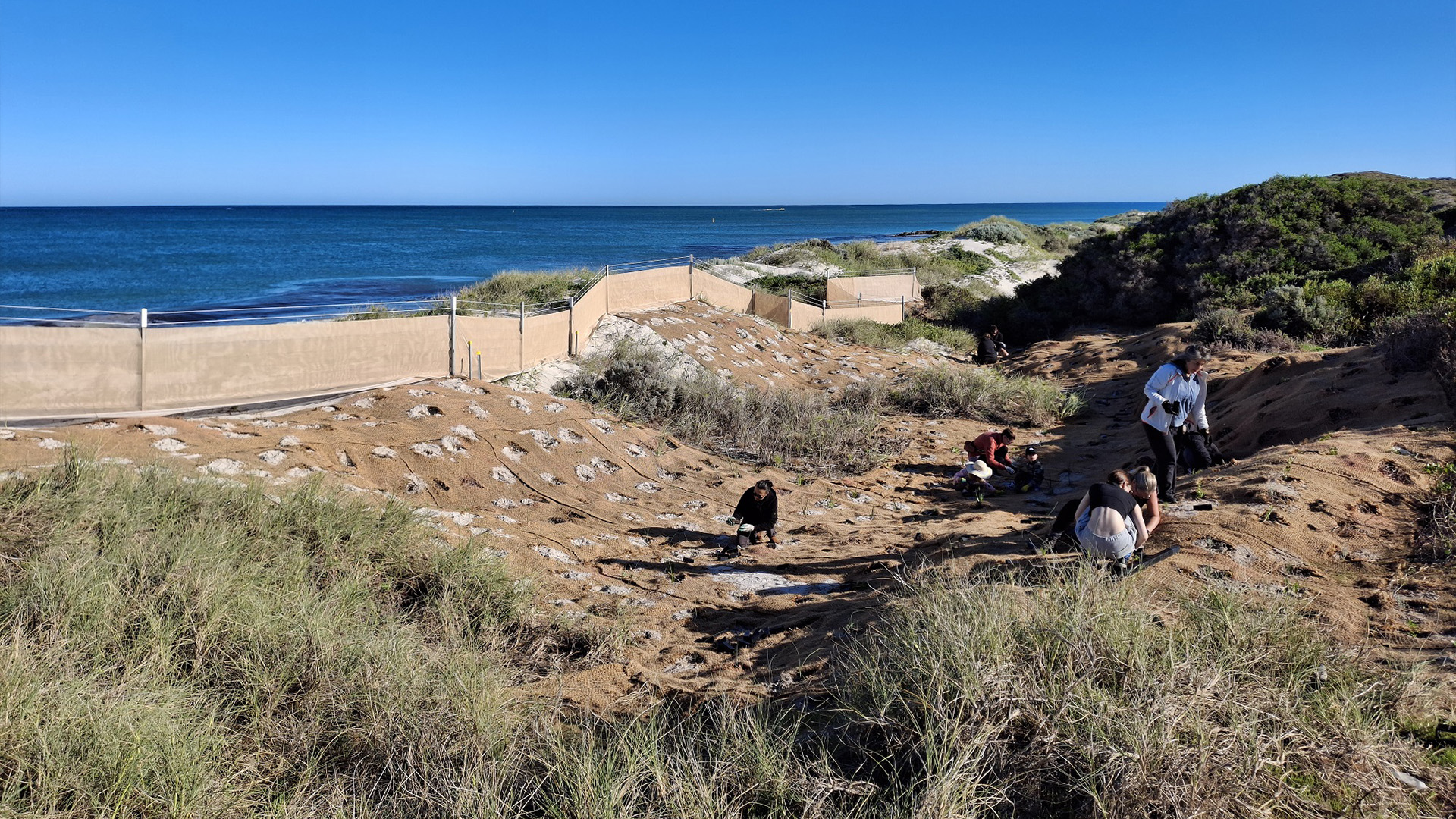
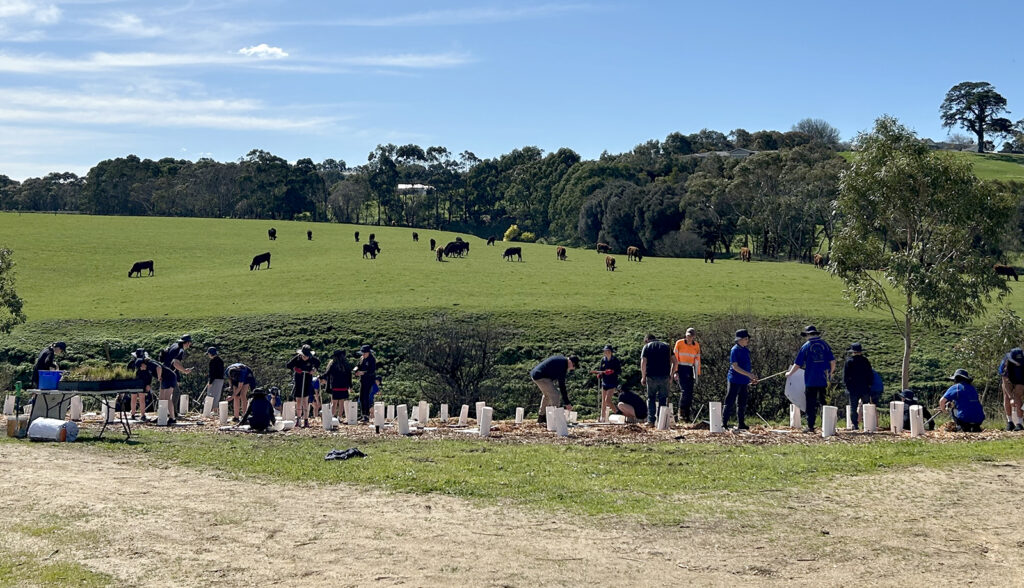
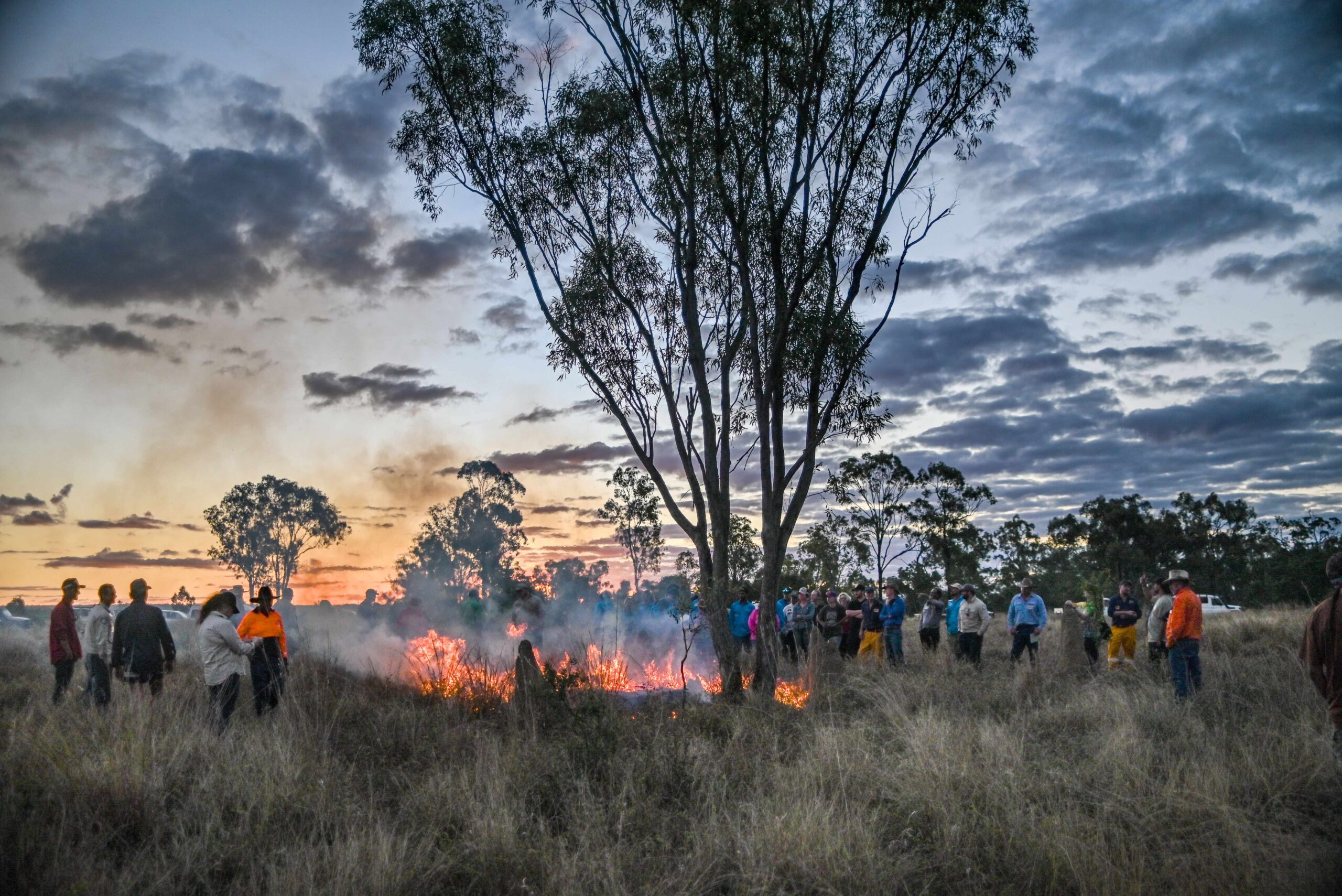
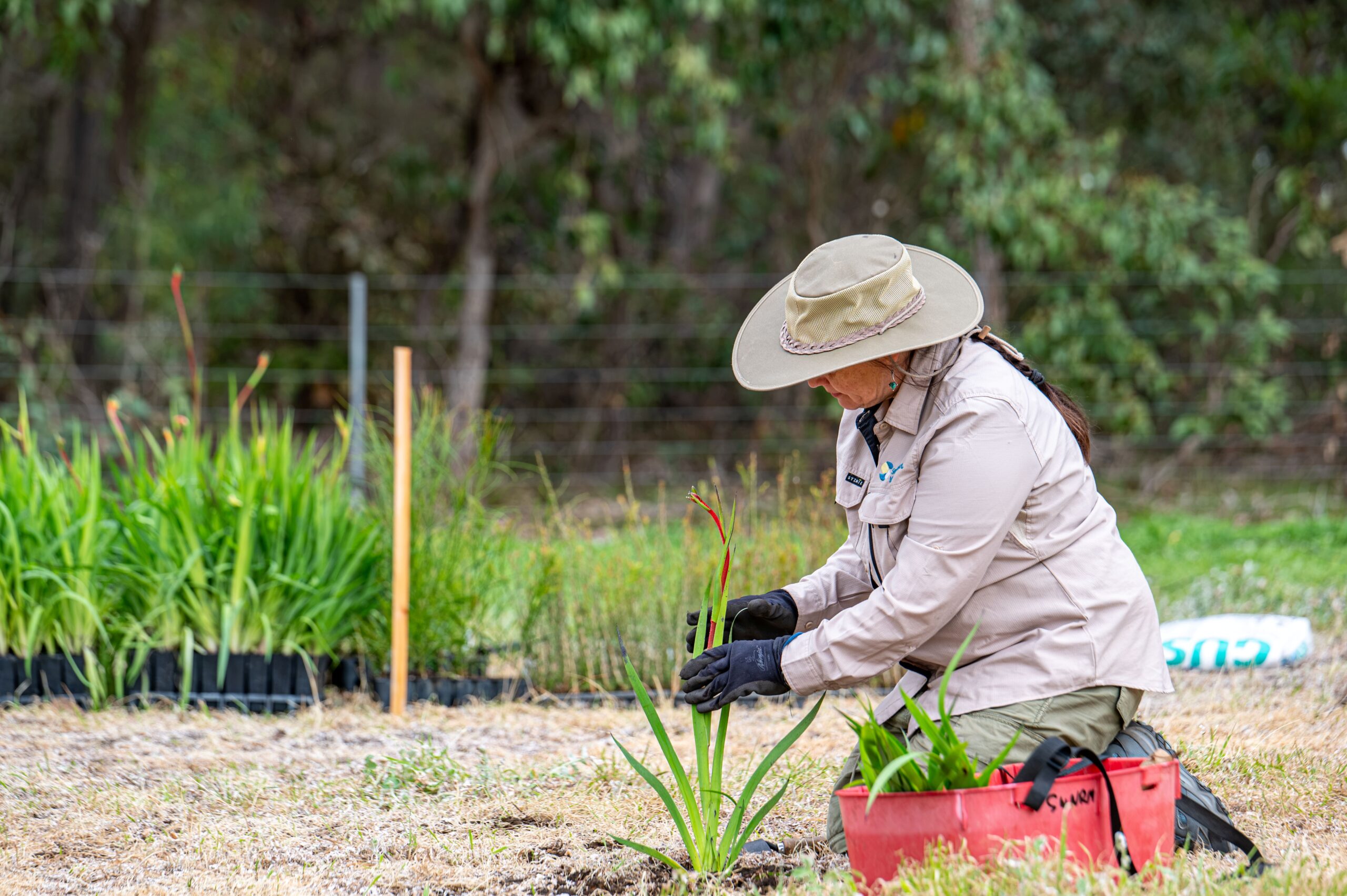
 Natural infrastructure for disaster risk reduction is created through actions that protect and rebuild natural ecosystems in ways that reduce disaster impacts on people and infrastructure. Often called Nature-based Solutions (or NbS) for climate risk, building natural infrastructure includes actions like cultural burning and growing green firebreaks to reduce bushfire risk and impacts, revegetating and stabilising riverbanks to reduce loss of agricultural land and downstream flood impacts, and restoring mangroves to reduce the impacts of storm surges, particularly as sea levels rise.

Government investment and support in five key areas is needed to achieve increased protection for people through natural infrastructure

The report calls for government to:

  • Give First Nations co-stewardship and leadership of natural resource management programs and elevate the knowledge and expertise of First Nations land managers who have been adaptively managing our lands and waters for more than 60,000 years, including through shifting climatic conditions.
  • Fund Australia’s established network of expert local, regional and cross-regional land managers – including regional NRM organisations, Indigenous organisations and local governments – to accelerate the delivery of natural infrastructure across landscapes.
  • Invest in research to strengthen the Australian evidence base and knowledge sharing networks of practitioners to share expertise, build capacity and support scaling of natural infrastructure solutions.

 It also asks for government at all levels to:

  • Incorporate natural infrastructure economic analysis into government decision-making, so that cost-benefit and accounting frameworks, procurement and climate risk economic forecasts fully account for long-term disaster risk as well as the benefits of natural infrastructure.
  • Support development of private sector frameworks for valuing and investing in natural infrastructure so businesses can better account for the benefits of natural infrastructure protection and take opportunities to invest.

Tasmanian river restoration works deliver more than $55 million in flood impact savings

Regional natural resource management (NRM) organisations have been building natural infrastructure in Australia for more than 20 years and they have seen it work on the ground.

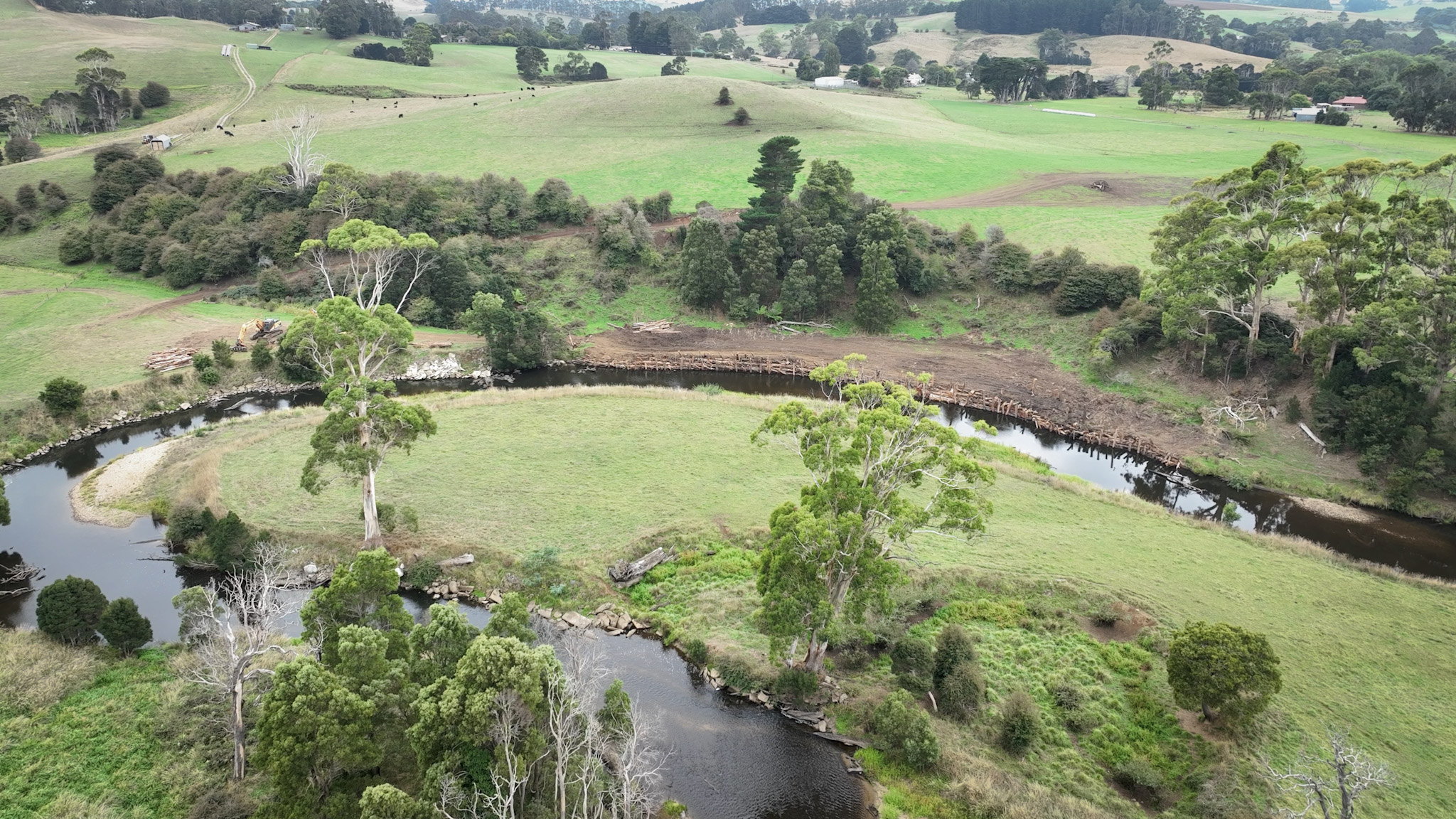
Major flood events impacted Tasmanian catchments in 2016 and 2022. Between these events,  the three Tasmanian NRM organisations – Cradle Coast NRM, NRM North, and NRM South – delivered $4 million of revegetation and bank stabilisation works in the catchment. While agricultural enterprise costs from the first event were $70 million, costs from the 2022 flood event of similar magnitude were just $12 million – a saving of well over $55 million.

Bonnie Bonneville, Regional NRM Manager of Cradle Coast Authority said the risk mitigation works have reduced anxiety levels of participating landholders anticipating future flood events.

“Landholders know their properties. They know when a large flood event is coming and they worry about losing productive parts of their property and about the massive debris clean-ups that they might face. This work is a real investment in their future,” Bonnie said.

Bonnie said landholders have also noticed other benefits from the environmental restoration works.

“They see the riparian zone growing up, having wildlife return, the birds and the fish and our giant freshwater crayfish.

“There’s also shade and windbreaks from the trees for livestock – the farmers just really appreciate the benefits of having nature restored along the riverbanks,” Bonnie said.

“Landholders know their properties. They know when a large flood event is coming and they worry about losing productive parts of their property and about the massive debris clean-ups that they might face. This work is a real investment in their future,”
– Bonnie Bonneville, Regional NRM Manager, Cradle Coast Authority

Join the discussion

Register for our upcoming webinar on Wednesday 4 November 2026, 12pm AEDT to learn more about how natural infrastructure can reduce disaster risk.

 Featuring a panel of presenters from NRM Regions Australia, the Australian Institute of Disaster Resilience, and Value Australia, we’ll explore the actions needed to accelerate natural infrastructure approaches to climate adaptation and disaster resilience across Australia.

Read the report

Nature as infrastructure – Recommendations to strengthen landscapes for climate adaptation and disaster risk reduction in Australia

Report making the case for natural infrastructure as a cost-effective approach to climate resilience.
Paper · 2026 · Sarah Hoyal and Bek Christensen, NRM Regions Australia; Jen Barwick, Natural Solutions Consultancy; Rachel Morgain and Ainslie Macdonald, University of Melbourne

Nature as Infrastructure – Executive Summary

Report making the case for natural infrastructure as a cost-effective approach to climate resilience.
Paper · 2026 · Sarah Hoyal and Bek Christensen, NRM Regions Australia; Jen Barwick, Natural Solutions Consultancy; Rachel Morgain and Ainslie Macdonald, University of Melbourne
Published: 29 October 2026
Back to top
Secret Link