Executive Director of the Australian Institute for Disaster Resilience (AIDR) John Richardson also highlighted the additional benefits that are delivered through investing in communities to build natural infrastructure.
“The thinking has been around comfort in concrete and believing we can engineer our way out of many of these problems, but there are other options. This is where nature-based solutions come in.
“Built infrastructure solutions, while important, see most of the benefit for people when a disaster happens. Participation in nature-based risk reduction activities gives people agency, which provides an immediate mental health benefit because they feel they have some control and they are contributing to solutions,” he said.
Investment in natural infrastructure for risk reduction also provides significant savings on disaster recovery costs. The scale of these savings is demonstrated through the impact of the flood mitigation works delivered by Tasmanian NRM organisations described by Dr Bonnie Bonneville the Regional NRM Manager of Cradle Coast Authority in the video.
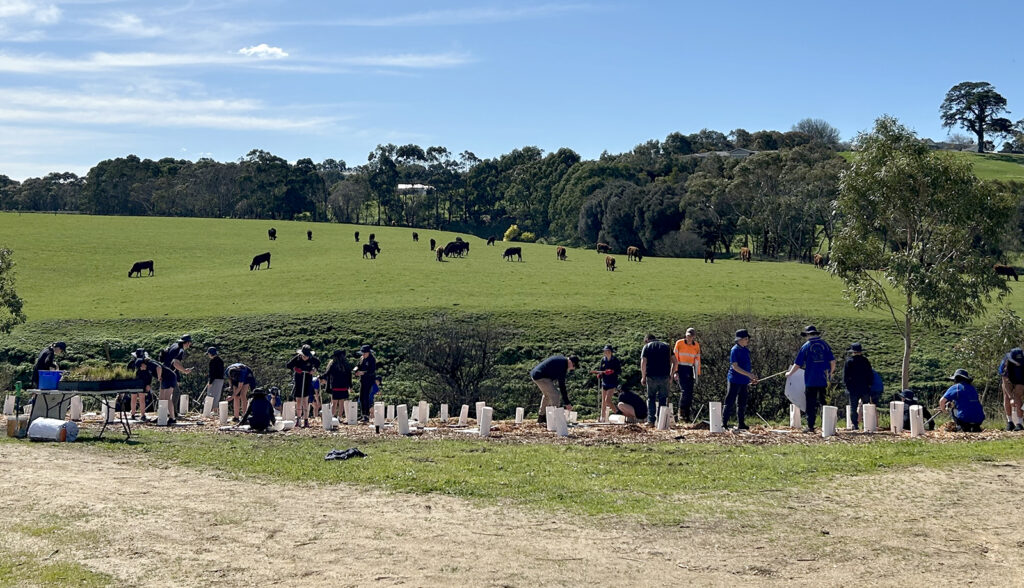
Major flood events impacted Tasmanian catchments in 2016 and 2022. Between these events, the three Tasmanian NRM organisations – Cradle Coast NRM, NRM North, and NRM South – delivered $4 million of revegetation and bank stabilisation works in the catchment. While agricultural enterprise costs from the first event were $70 million, costs from the 2022 flood event of similar magnitude were just $12 million – a saving of well over $55 million.
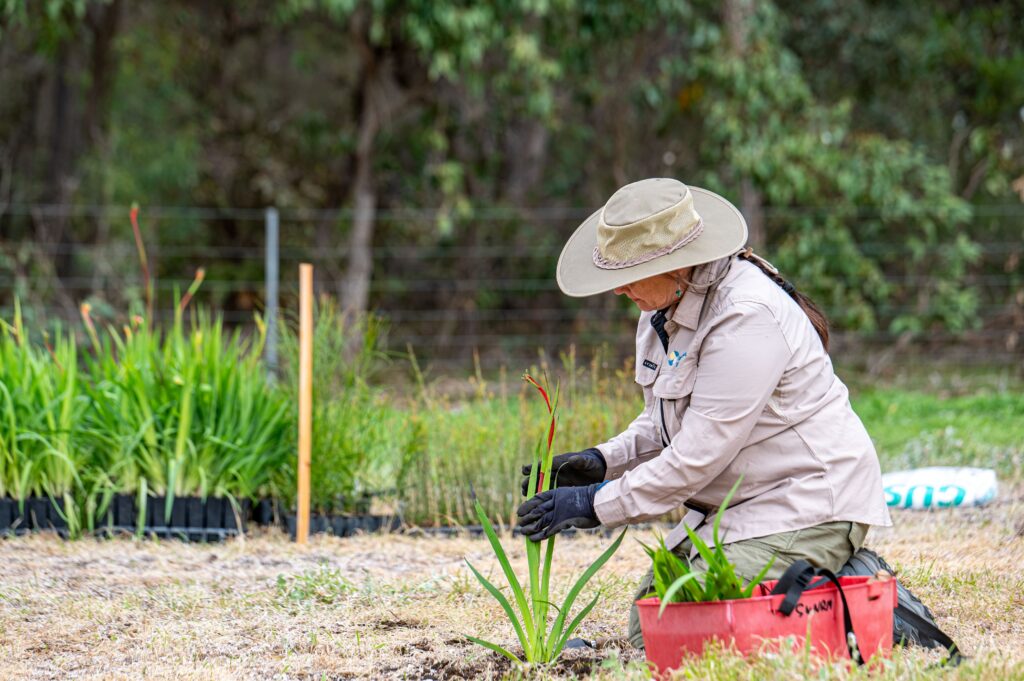
Bonnie said tree planting to restore and protect the riverbanks had achieved many other benefits for the participating landholders.
“They see the riparian zone growing up, having wildlife return, the birds and the fish and our giant freshwater crayfish.
“There’s also shade and windbreaks from the trees for livestock – the farmers just really appreciate the benefits of having nature restored along the riverbanks,” Bonnie said.
The video supports the central message of the recently released report Nature as Infrastructure: Recommendations to strengthen landscapes for climate adaptation and disaster risk reduction in Australia.