Stories of NRM partners
A fresh strategy for dryland agriculture in Victoria’s Mallee region has brought together key farming groups and sparked new optimism for a regionally coordinated approach to deal with the area’s unique set of challenges.
A fresh strategy for dryland agriculture in Victoria’s Mallee region has brought together key farming groups and sparked new optimism for a regionally coordinated approach to deal with the area’s unique set of challenges.
“The work being carried out to further investigate and mitigate the risks associated with agriculture is vital for our region. We are committed to work collaboratively with our community to ensure its long-term sustainability and viability.”
The Mallee Dryland Sustainable Agriculture Strategy is a long term partnership plan for the Mallee Catchment area to tackle priorities such as soil health and productive capacity, farm business viability and resilience, and regional infrastructure and capacity.
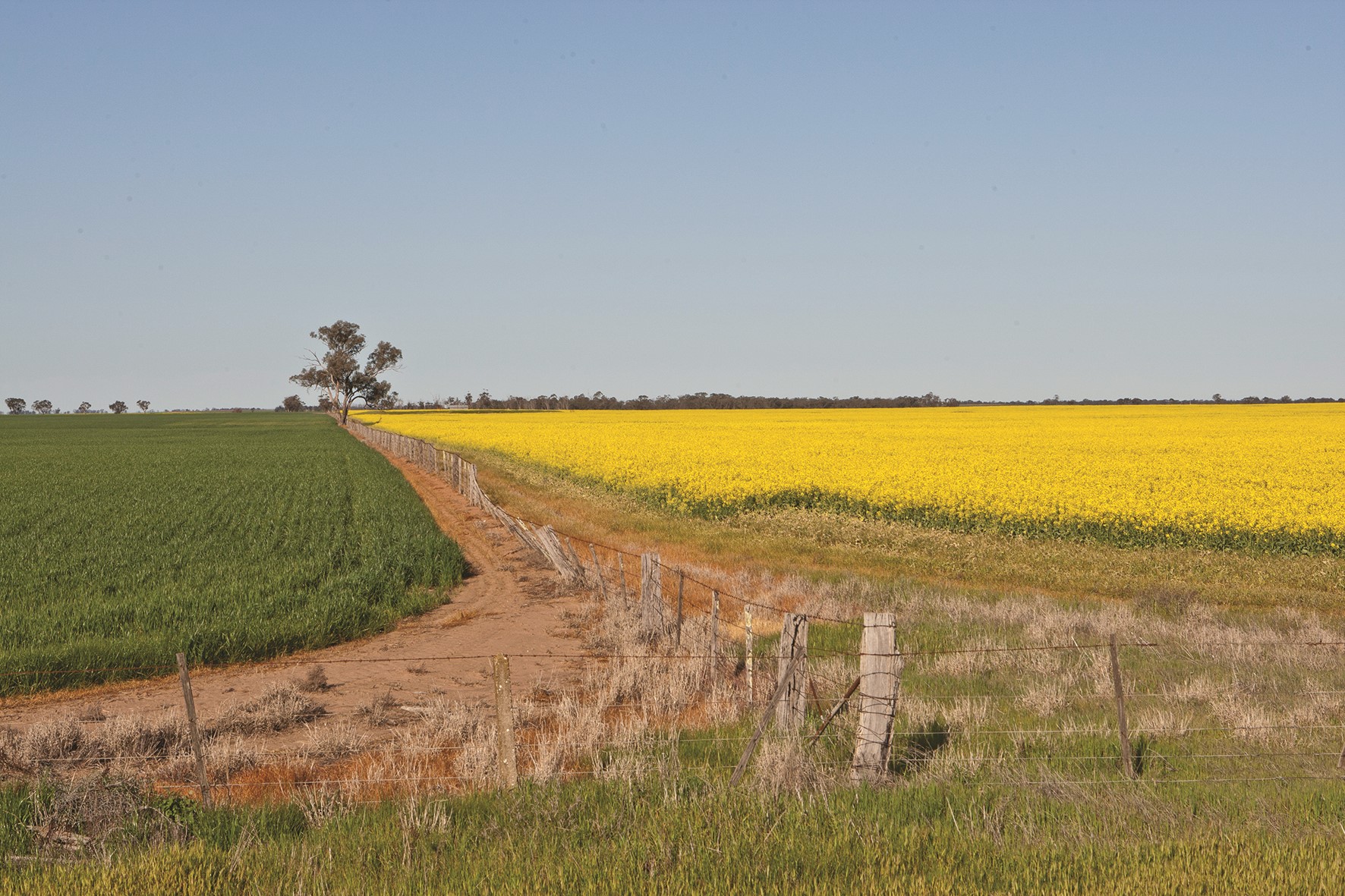
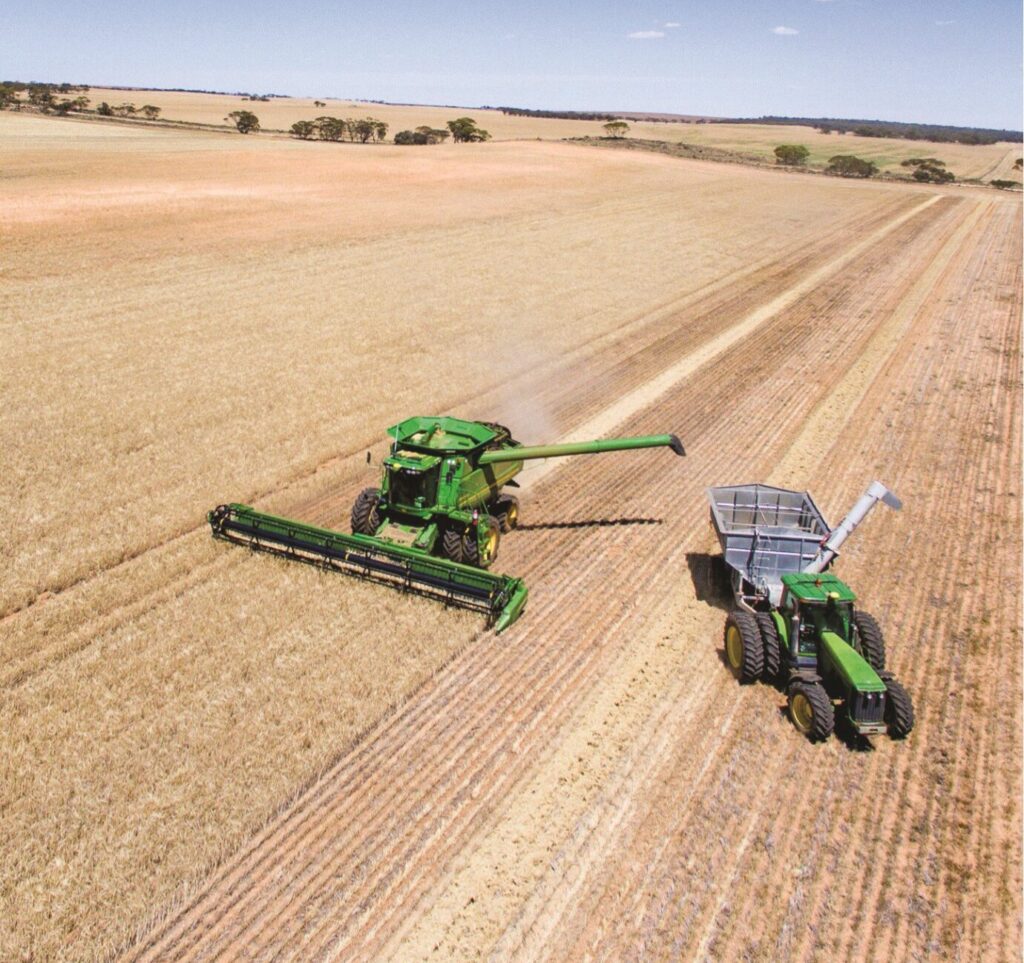
Despite the Mallee’s semi-arid nature, its mainly winter rainfall and access to reliable water has made the area an agriculturally diverse region, with important irrigation areas along the Murray River and an estimated 2.4 million hectares of dryland cropping and grazing in the south, east and west.
While erosion in the region has been dramatically reduced by improved farming practices, the fragility of its mostly sandy soils requires careful agricultural management. The Mallee is also faced with population decline and reduced social capital, increased business risk and a warmer, drier and more variable climate.
Key partners in the Sustainable Agriculture Strategy are Mallee Sustainable Farming which is active in northern areas of the catchment; Birchip Cropping Group which largely works across the southern Mallee; Agriculture Victoria and the Mallee Catchment Management Authority.
Each member organisation has representation on the Mallee Dryland Agriculture Catchment Partnership Committee, which meets quarterly to plan and coordinate project delivery, strategy implementation and scope future project ideas.
Sharyon Peart, chair of the Mallee Catchment Management Authority, says the strategy benefits from the ability of partners to consider issues from a whole of region perspective, as well as developing large integrated funding bids and proposals.
The Strategy has been awarded a five-year grant to support soil health outcomes under the Regional Land Partnership program, with each partner having a key delivery role. Additional grants received through initiatives such as the Future Drought Fund: NRM Drought Resilience Program will directly support progress against the Strategy’s priorities for dryland agriculture.
Ms Peart says the strategy partners are also committed to capacity building within the Mallee communities.
“The work being carried out to further investigate and mitigate the risks associated with agriculture is vital for our region. We are committed to work collaboratively with our community to ensure its long-term sustainability and viability,” she says.
The Mallee CMA is proud to be working with partners who have a whole of region perspective, which enables the development of large integrated funding bids and proposals to meet the region’s sustainability goals.
Latest news and media releases