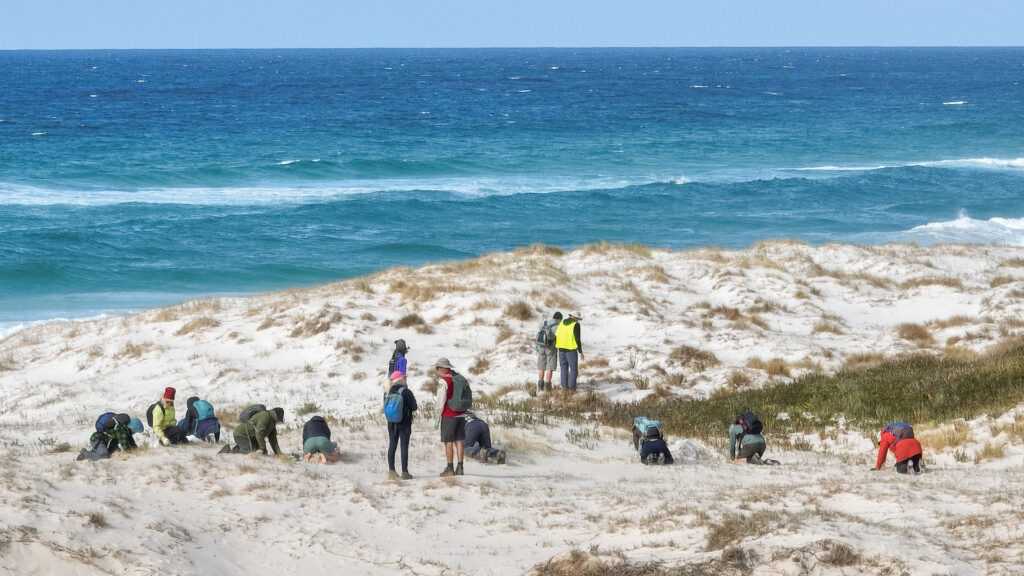

The Kangaroo Island Landscape Board (LB) began recovery efforts for the Kangaroo Island Glossy black-cockatoo in 1995, when the population was at a low of 158 individuals. Despite the destruction of habitat and loss of individuals in the 2020 bushfires, the volunteer-conducted 2025 count recorded at least 446 birds.
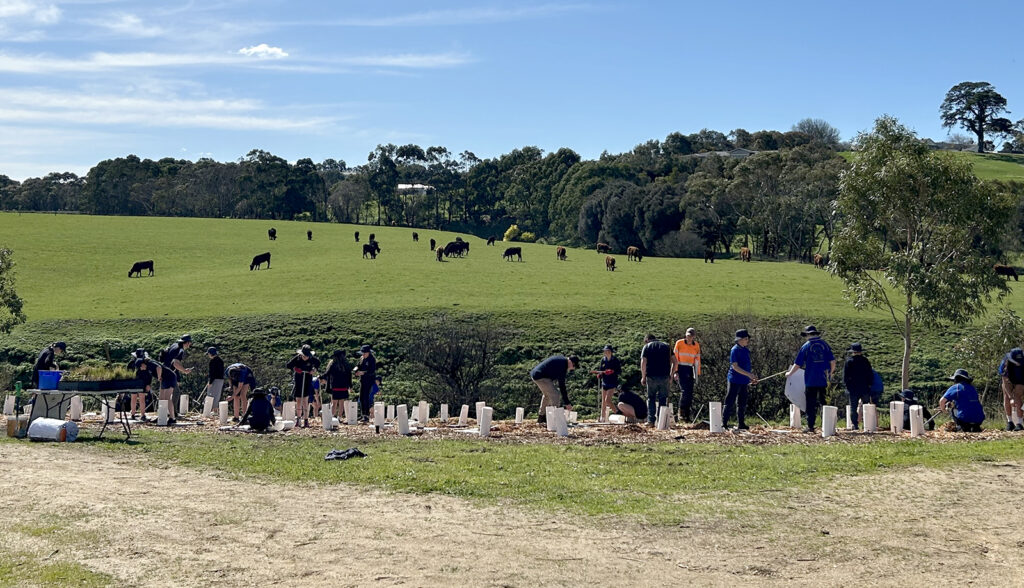
The multi-faceted recovery project involves propagating and planting drooping sheoaks on private properties, managing nest sites to reduce predation and competition from possums, monitoring of the population size and breeding success, and recovery of feeding habitat.
Kangaroo Island Landscape Board Biodiversity Unit Manager Karleah Berris said “The expansion and recovery in eastern Kangaroo Island is a testament to decades of work—protecting nests from predators and competitors, installing and maintaining nest boxes, and safeguarding sheoak feeding habitat,” she said.
“This ongoing increase has even resulted in a handful of male Glossies being sighted on the Fleurieu and Yorke Peninsulas in recent years as they explore new areas.”
Ms Berris said this long-term growth shows what sustained conservation investment can achieve.
The Glossy black-cockatoo Recovery Program is supported by the Australian Government’s Saving Native Species program, the South Australian Government, the Nature Foundation, private landholders, volunteers, and conservation partners.