-

Project Catalyst bolsters canegrowers credentials

Practices developed by farmers, for farmers, reduce the cane industry’s environmental footprint

Stories of NRM partners

Thirteen years after a quick-thinking Reef Catchments coordinator approached the world’s largest user of sugar to ask for support for Queensland canegrowers, Project Catalyst is continuing to foster cutting-edge farming practices to reduce the industry’s environmental footprint.

“In 2020, Project Catalyst prevented more than one million kilograms of sediment from entering the Great Barrier Reef and saved $1.2 million in fertiliser costs.”
– Ross Neivandt, Catchment Solutions

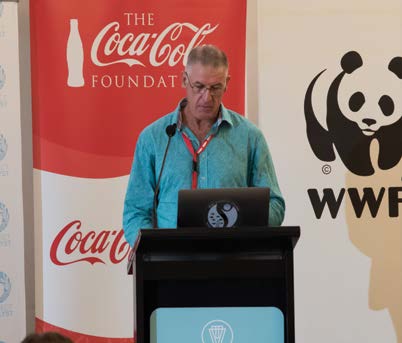
The Coca Cola Foundation remains the most high profile partner in the award-winning project, which contributes to the company’s global commitment to replenish 100% of the water it uses back to communities and nature.

The 19 cane grower members who held initial discussions with Coca Cola about funding research in 2009 have grown to 183. NRM groups Terrain and NQ Dry Tropics joined Reef Catchments and WWF-Australia as Project Partners and continue to support regional project events and grower forums.

Project activities involve 42,000ha of sugarcane farms in the Mackay Whitsunday, Burdekin and Wet Tropics districts and over 10% of all sugarcane grown across the Great Barrier Reef catchments.

In 2020, Project Catalyst produced annual savings of $1.2 million in fertiliser costs; 800 tonnes less nitrogen (N) was applied to crops without loss of productivity; and more than a million kilograms of sediment was prevented from entering the reef.

In this case study

Outcomes developed by farmers, for farmers

The 2019 Reef Water Quality Report Card also acknowledges the project as a major contributor to the creation of important social outcomes. A Practice Change Adoption Program encourages and supports growers to adopt new methods once they are proven.

“We attract 40 to 50 growers per year into the voluntary program,” says Ross Neivandt from project managers, Catchment Solutions.

“They may not be innovators but they want to pick up ideas that have been developed by the Catalyst growers. Outcomes developed by farmers, for farmers are highly effective in encouraging growers to be receptive to change.”

Project Catalyst is also innovative in its delivery of services, operating without direct funding for growers. Instead, growers are supported by an experienced team of agronomists, economists, environmental consultants, and extension officers to develop, trial and evaluate new practices.

And the project continues to attract awards. Five growers were recognised recently in The Prince’s Trust Reef Alliance Awards, including winning the Environmental Leadership Reef Sustainability Award, and a project agronomist won The Prince’s Trust Reef Extension Officer Champion Award.

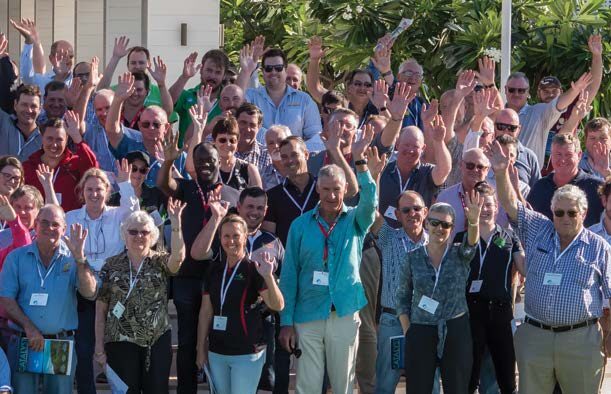
Agribusiness suppliers invest each year to help deliver the Project Catalyst Forum, which attracts local and international delegates to share and discuss new practices amongst producers, research groups, policy advisors and productivity services.

More information

Project Catalyst – https://www.projectcatalyst.net.au/

Coca-Cola website – https://www.coca-cola.com/sg/en


Acknowledgement

NRM groups are proud to support regional events and forums run by Project Catalyst to achieve practice change that benefits growers and the Great Barrier Reef.

Funded by: The Coca Cola Foundation, Australian Government’s Reef Trust and the Great Barrier Reef Foundation.

Available to read and download

Project Catalyst bolsters canegrowers credentials

Practices developed by farmers, for farmers, reduce the cane industry’s environmental footprint
Case study · 2021
  • +3
Published: 1 June 2021
Secret Link