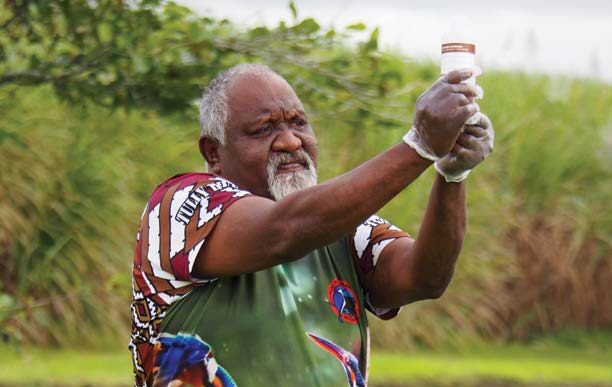
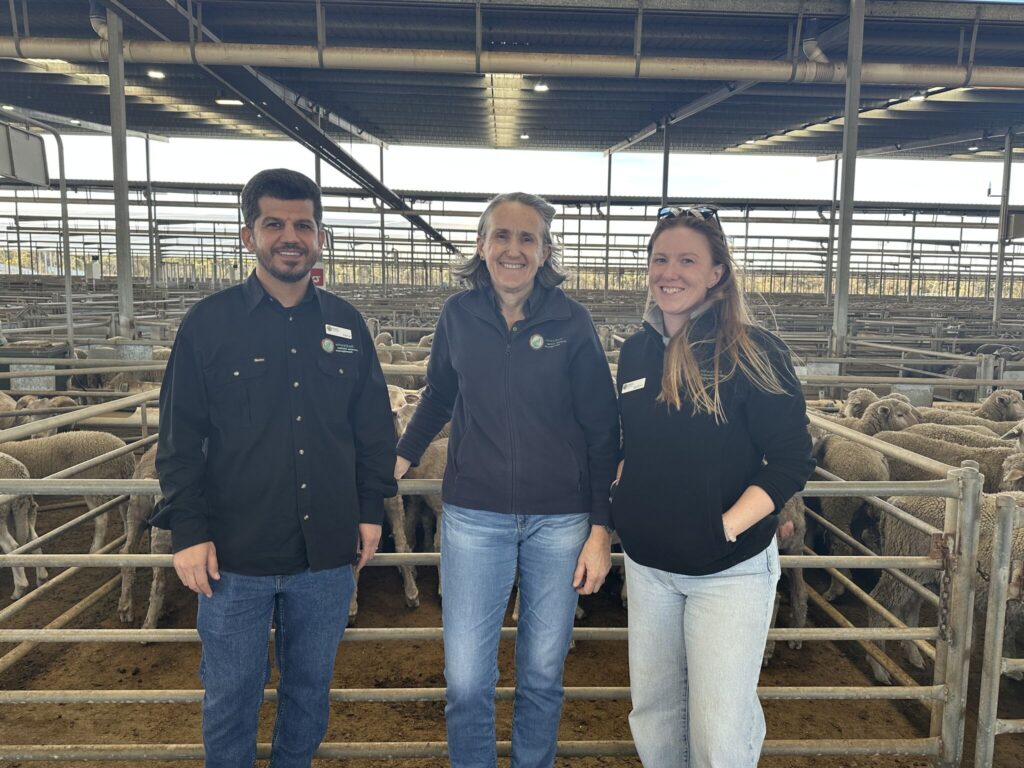
The farmer-centric approach and a much faster turnaround in water quality data to show how their practices impact the end of the catchments attracted 450 ‘amazingly engaged’ farmers, Fiona says, with 37 demonstration sites set up and 1,850 workshop participants.
An integral part of the Major Integrated Project (MIP) was the development of Reef Credits, a new scheme generating a tradeable unit or ‘credit’ for preventing nutrients and sediment from entering the Great Barrier Reef catchment. The scheme already has more buyers lining up than sellers.
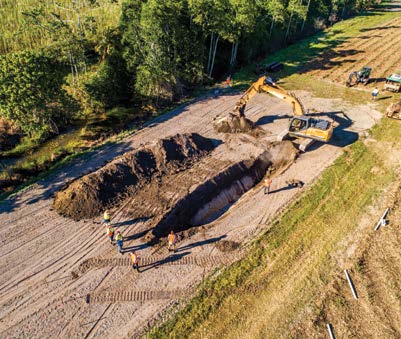
The Wet Tropics MIP has been distilled down to five key actions — local monitoring of ‘my creek’; end of train treatment systems/ catchment repair, to build wetlands, enhance bogs and use high-efficiency sediment basins and bioreactors to strip out nitrates; engaging with landholders to help them understand the data; innovative financing through Reef Credits; and telling positive stories of farm practice change.
“For the first time we’re translating the science into something relevant and meaningful and farmers are telling us ‘I thought I was doing a really good job but I can see from the data that I need to change’,” Fiona says.
Tight collaborative partnerships between Terrain NRM, CANEGROWERS and the Australian Banana Growers’ Council have boosted the project’s credibility with industry.