South West Western Australia is one of the most fire-prone regions in the world, and it’s expected that parts of the region will continue to experience harsher fire weather into the future. In response to this growing threat, South West NRM is considering new approaches to managing fire risk in a drying climate.
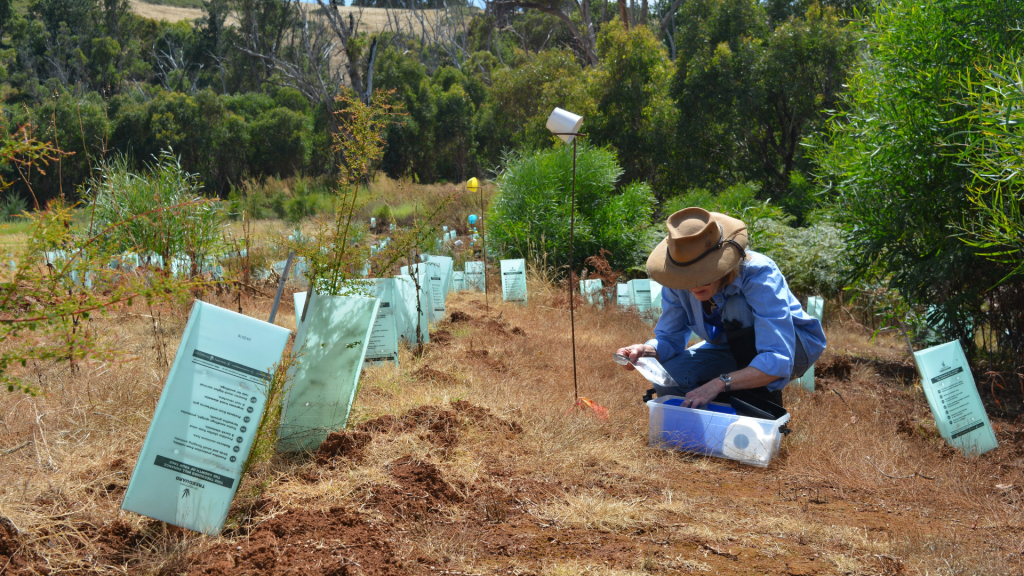
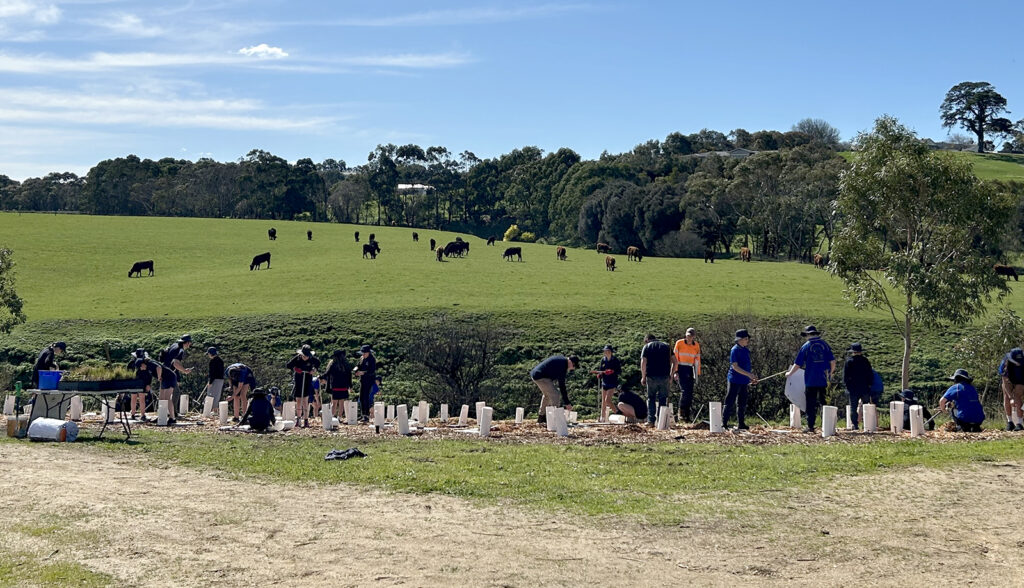
Living or ‘green’ firebreaks, could provide communities with an opportunity to mitigate wildfire risks while simultaneously enhancing biodiversity and carbon sequestration to mitigate further negative impacts of climate change. Living firebreaks are planted areas of low flammability vegetation that are strategically placed in the landscape to reduce fire spread. While living firebreaks have shown promise in some fire prone regions of the world such as the USA and China, they have largely only been modelled on the east coast of Australia with few field-based examples.
To address this gap, South West NRM will trial a series of up to 40ha of living firebreaks within the farmed landscape across different rainfall zones in their region. The trials are designed to develop better understanding of the design elements of living firebreaks that can make them more successful in the WA landscape. Alongside this, the trials will assess the co-benefits that living firebreaks can deliver for communities and nature, and undertake cost-benefit analysis to understand establishment and maintenance costs, as well as avoided disaster recovery costs.
South West NRM will collaborate with a network of land managers, fire management agencies, researchers and Traditional Owners to deliver the project, and understand how living firebreaks may be able to enhance community disaster resilience at a landscape scale.
Living Firebreaks are not intended to replace existing fire prevention and management techniques but – depending on the outcomes of this trial – could provide an additional tool in addressing the risks associated with changing climatic conditions.
Read more about South West NRM