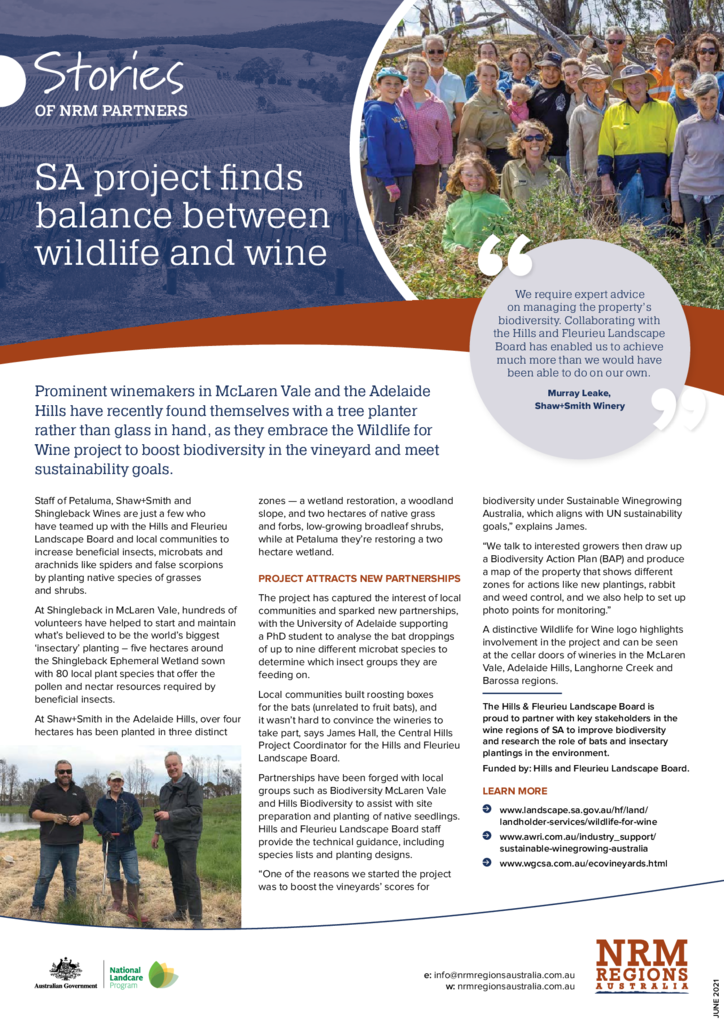
The project has captured the interest of local communities and sparked new partnerships, with the University of Adelaide supporting a PhD student to analyse the bat droppings of up to nine different microbat species to determine which insect groups they are feeding on.
Local communities built roosting boxes for the bats (unrelated to fruit bats), and it wasn’t hard to convince the wineries to take part, says James Hall, the Central Hills Project Coordinator for the Hills and Fleurieu Landscape Board.
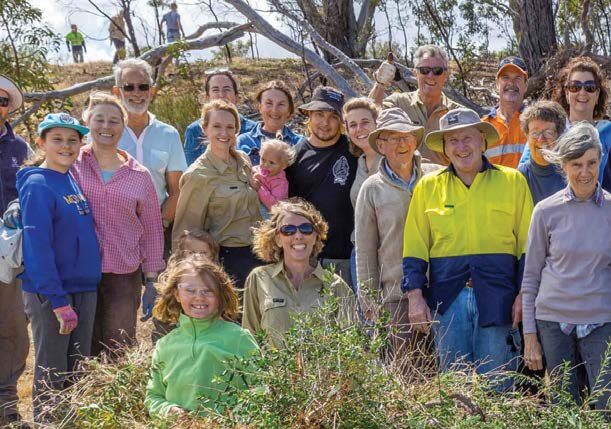
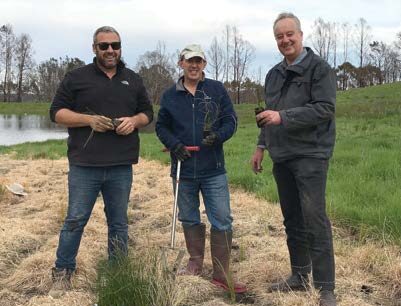
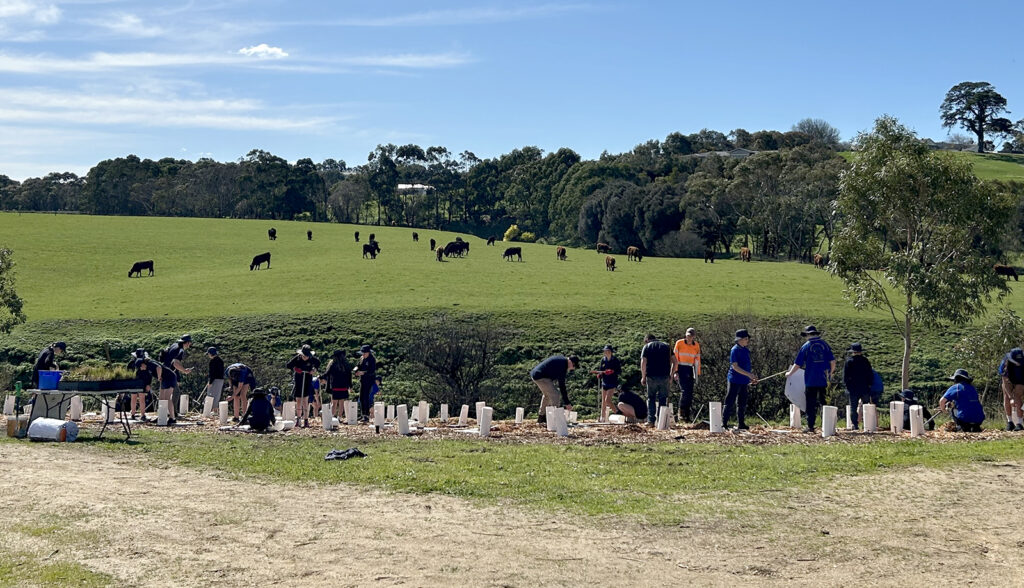
Partnerships have been forged with local groups such as Biodiversity McLaren Vale and Hills Biodiversity to assist with site preparation and planting of native seedlings. Hills and Fleurieu Landscape Board staff provide the technical guidance, including species lists and planting designs.
“One of the reasons we started the project was to boost the vineyards’ scores for biodiversity under Sustainable Winegrowing Australia, which aligns with UN sustainability goals,” explains James.
“We talk to interested growers then draw up a Biodiversity Action Plan (BAP) and produce a map of the property that shows different zones for actions like new plantings, rabbit and weed control, and we also help to set up photo points for monitoring.”
A distinctive Wildlife for Wine logo highlights involvement in the project and can be seen at the cellar doors of wineries in the McLaren Vale, Adelaide Hills, Langhorne Creek and Barossa regions.