-

Saving Native Species program

Case studies of regional NRM threatened species projects and investment impact
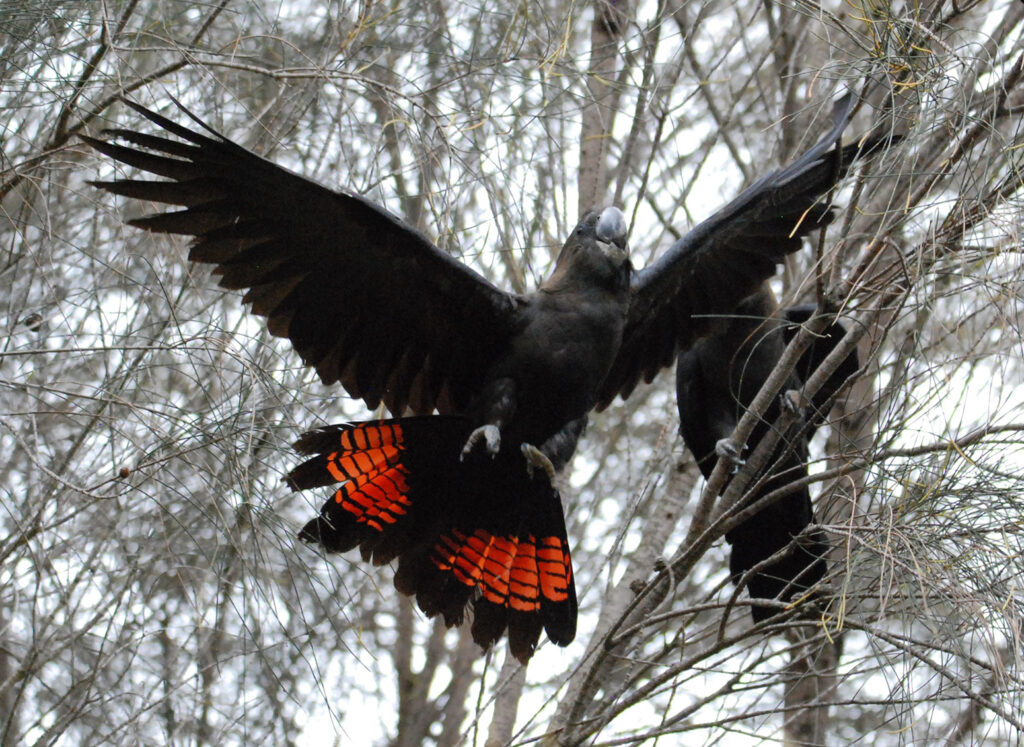
A Black Cockatoo, with a red tail is flying, with its wings open, behind it is another Black Cockatoo in a tree, the trees have no leaves.

Glossy black-cockatoo recovery program – Kangaroo Island Landscape Board, South Australia

Kangaroo Island’s endangered glossy black-cockatoo (sub-species Calyptorhynchus lathami halmaturinus) is coming back from the brink, thanks to long term-investment and recovery efforts. The Kangaroo Island Landscape Board began recovery efforts in 1995, when the population was at a low of 158 individuals. Despite the destruction of habitat and loss of individuals in the 2020 bushfires, the 2025 count recorded 446 birds.

Glossy black-cockatoos feed exclusively on the seeds of the drooping sheoak (Allocasuarina verticillata), and nest in tree hollows, many of which have been lost on KI. The recovery project involves propagating and planting feed trees on private properties, providing nest boxes and managing nest sites to reduce predation and competition from possums, monitoring population and breeding success, and community engagement activities.

This program has been funded by the Australia Government through the SNS with contributions from other funders including the state government, private conservation partners and individuals.

Despite the success achieved so far the Glossy Black cockatoo is still vulnerable to extinction through extreme climatic events.

Ongoing funding is critical for:

Continued future planting of habitat and feed trees.

Replacement of new nesting boxes to increase reproduction opportunities.

Resilience to extreme climatic events.
Further Saving Native Species projects

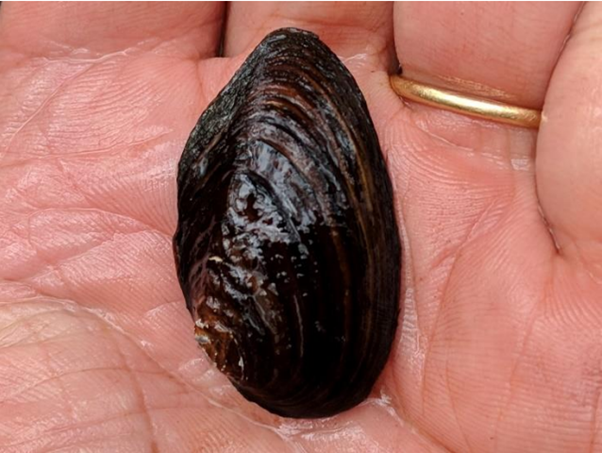
Glenelg Freshwater Mussel – Glenelg Hopkins CMA, Victoria

The critically endangered Glenelg Freshwater Mussel (GFW mussel) has a chance to recover through habitat improvement and captive breeding programs being supported by Glenelg Hopkins CMA. The project combines identification of strategic habitat, works to protect the riparian zone and improve water quality, and the establishment of a population of GFW mussels in captivity at the Snobs Creek hatchery to support species persistence through catastrophic climatic events.

Threats to the GFW mussel include siltation, loss of riparian vegetation from livestock, poor water quality due to salinity and pesticides, inconsistent water flows, introduced common carp (Cyprinus carpio) and the loss of native fish hosts for parasitic mussel larvae.

Solely funded by the SNS program.

Ongoing funding is critical for

Continued support for the ‘back-up’ population of GFW mussels through the hatchery breeding.

Continued on-ground fencing and riparian vegetation restoration works to protect strategic habitat from threats, leading to water quality decline and death of mussels/poor recruitment.

Achieving the 2035 target of improving 80% of strategic habitat along 20 km of waterway to protect the wild and translocated GFW Mussel populations.

Achieving a higher level of species resilience, to stave off potential future extinction.

Mountain-top Nursery frog – Terrain NRM, Queensland

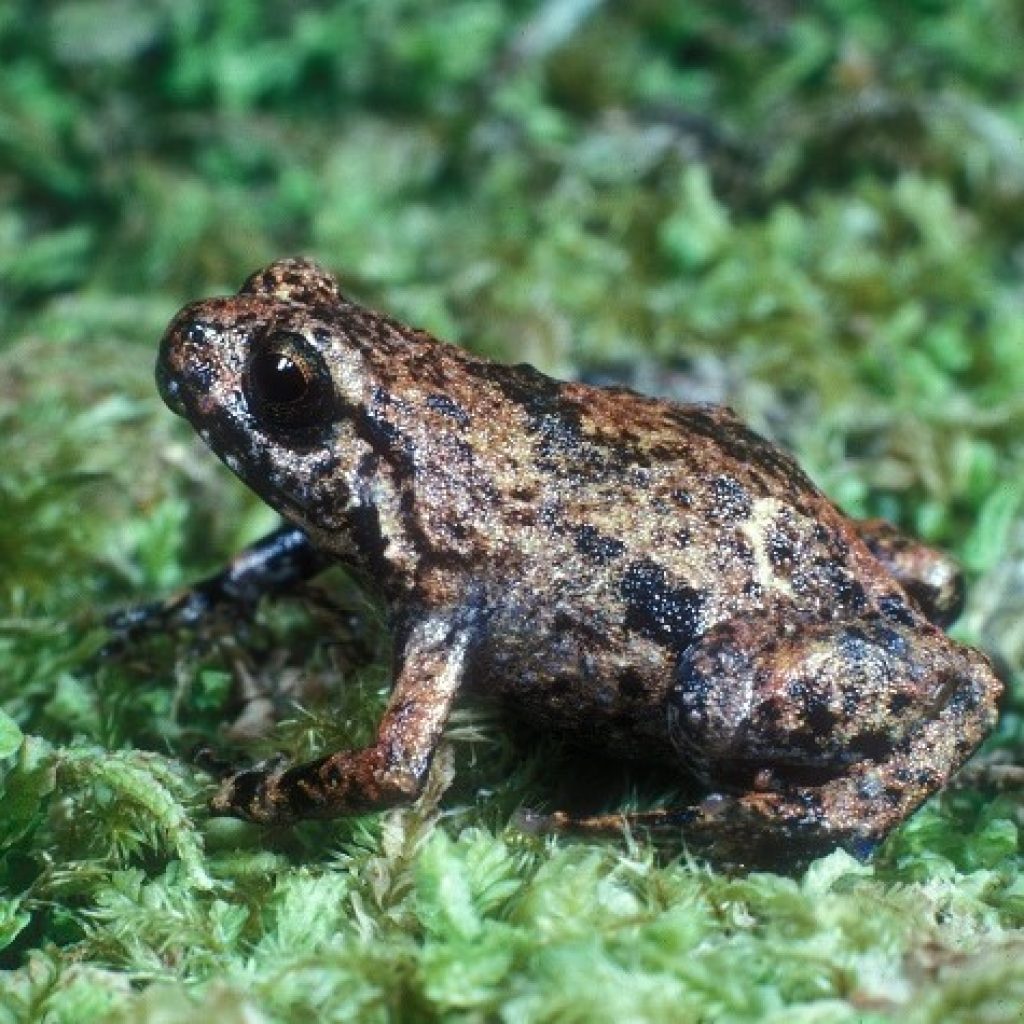
The critically endangered mountain-top nursery-frog (Cophixalus monticola) is facing two big challenges – feral pigs and a changing climate. Around the size of a thumbnail, the frog is one of the most range-restricted frogs in Australia, found only on high mountain-top ridges in the cloud forests of Mt Lewis National Park, north of Cairns. Over the last 20 years, the frog has retreated by 100m and is now only found at altitudes of 1200 metres and above – an adaptation to deal with the warming climate. This adaptation will eventually be limited by the height of the mountain, which reaches only just over 1300 metres above sea-level.

Feral pigs also pose an acute threat to the tiny mountain-top nursery frogs, which both feed and lay their eggs in the forest leaf litter. With pig disturbances occurring at higher altitudes more regularly, the frogs are losing both breeding and feeding zones.

Terrain NRM is working closely with Traditional Owners, Gulf Savannah NRM, Qld Parks and James Cook University to reduce the impact of feral pigs around breeding sites via exclusion fencing and control efforts. They are also monitoring the population dynamics and breeding through acoustic recorders and conducting regular habitat assessments of the breeding sites and high elevations in the cloud forests.

Solely funded by the SNS program.

Ongoing funding is critical for:

Further fencing off of habitat and breeding sites to minimise the impact by feral pigs so as to support the species to breed safely.

Continued monitoring of breeding success and abundance to inform adaptive management.

Prevention of the extinction of the mountain-top nursery frog – one of six high-elevation tropical frog species susceptible to this kind of extinction.

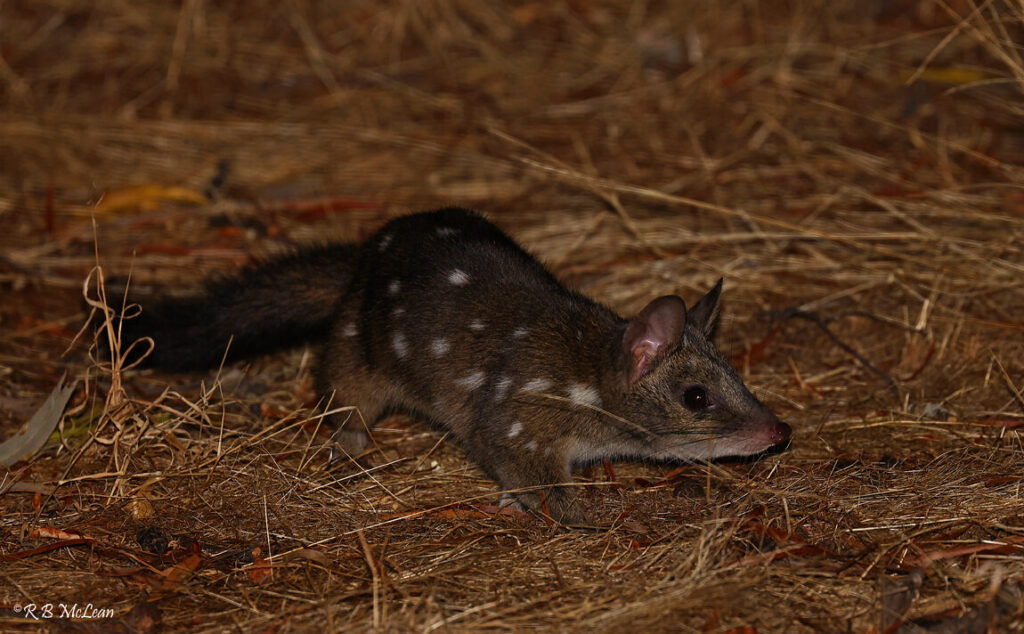
A small fluffy, light brown marsupial, with white spots, is walking amongst dry grass.

Building threatened species resilience; Wellington National Park – South West NRM, Western Australia

Landholders living on the boundaries of Wellington National Park have reported native wildlife species on their properties they haven’t spotted in years following the completion of an 18-month SNS funded project targeting reduction of introduced predators by South West NRM and Leschenault Catchment Council.

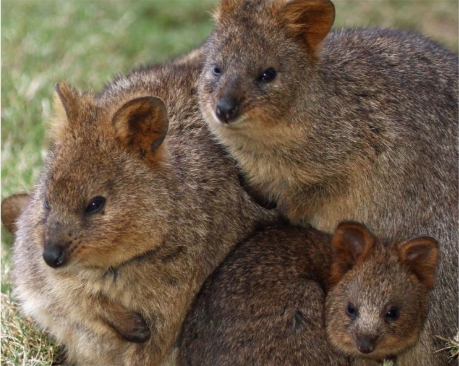
Wellington National Park is home to the vulnerable chuditch (Dasyurus geoffroii) and quokka (Setonix brachyurus), and the critically endangered western ringtail possum (Pseudocheirus occidentalis). South West NRM and Leschenault Catchment Council joined forced with Leschenault Biosecurity Group (LBG) to work with private landholders on land adjoining the National Park to control foxes, feral cats and feral pigs.

Undertaking integrated pest management ensures that feral predator populations are kept low across the landscape to avoid their re-entry into the National Park and subsequent impacts on native species.

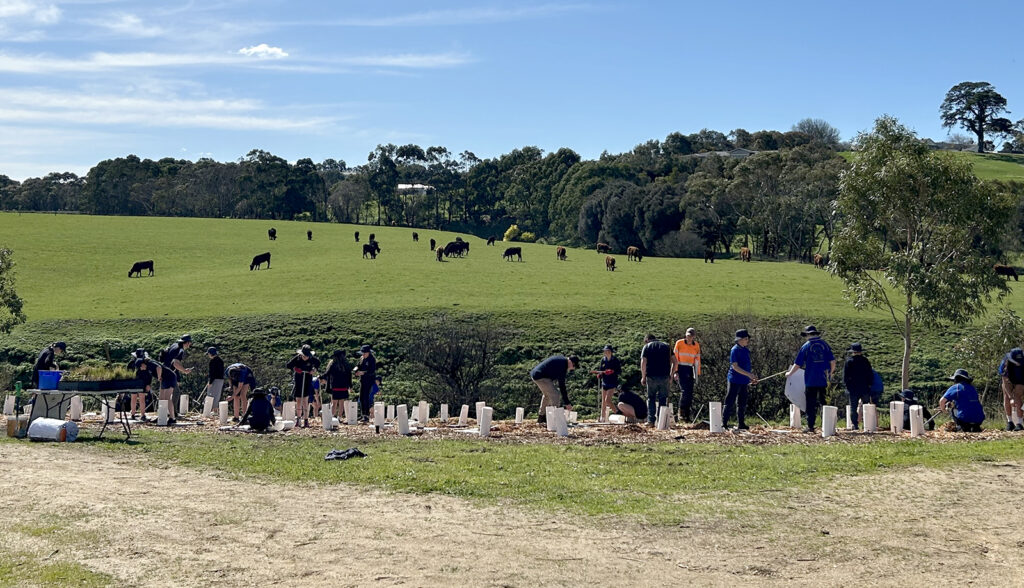
As part of the project landholders were trained in effective pest animal control, monitoring cameras were installed at key locations to inform future stages of the project, and a print and digital booklet was produced to facilitate ongoing control actions by the community.

Solely funded by the SNS program.

Ongoing funding is critical for:

Ensuring introduced predator numbers do not rebound and impact recovering populations of vulnerable and critically endangered chuditch, quokka and western ringtail possums.

Prevention of the extinction of the critically endangered western ringtail possum and accelerated loss of biodiversity.

Published: 25 May 2026
Secret Link