-

Tri-State Alliance makes headway along the Murray

This collaborative alliance has established an indigenous economy and repaired native fish habitats

Stories of NRM partners

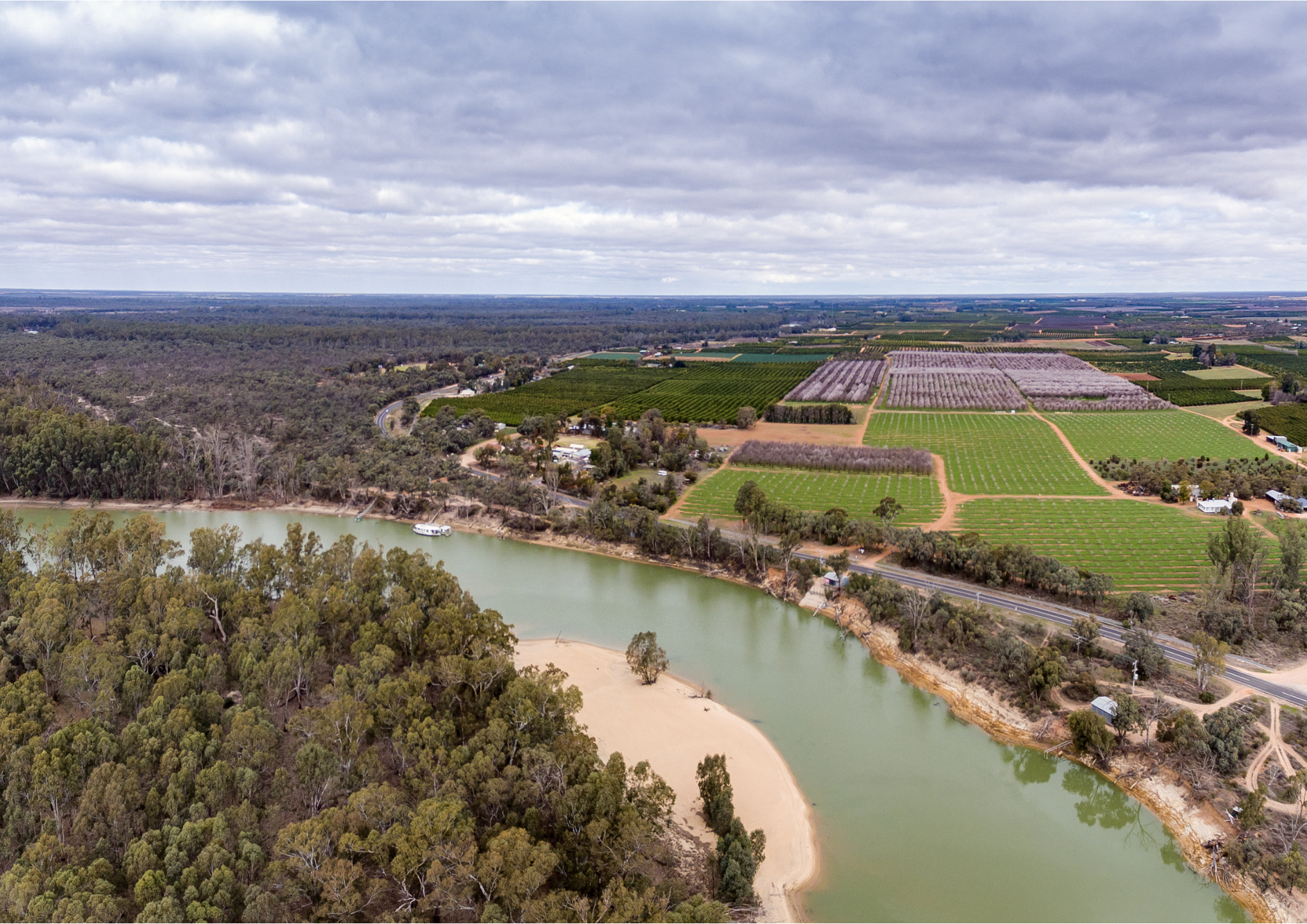
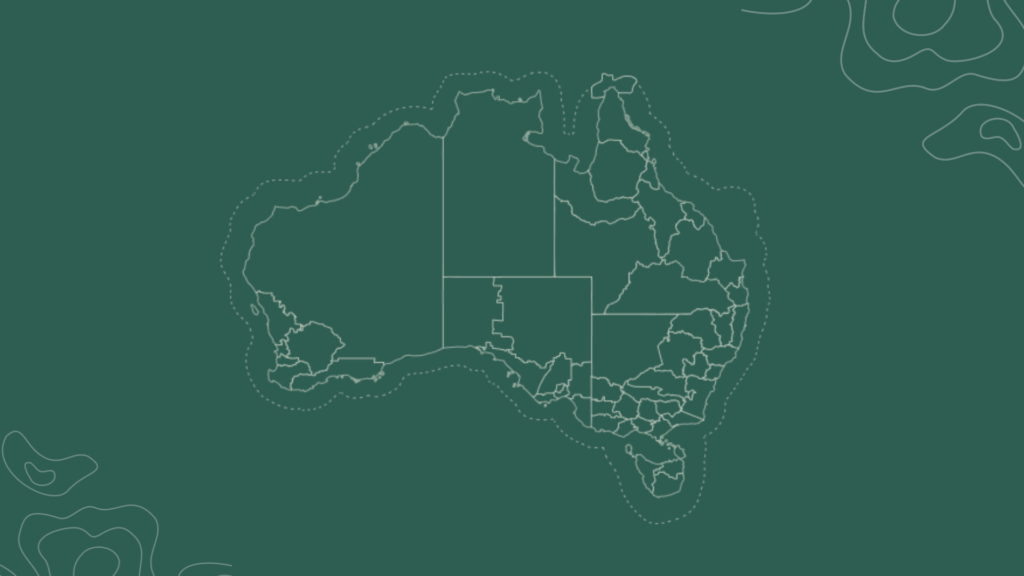
Great things happen when people work together, but even keen fans of collaboration would be awestruck by an alliance that covers 21 million hectares of land, is home to more than 30 Aboriginal groups and 500 threatened species and contributes $7.2 billion in agricultural output.

“We really focus on distilling everything down to fundamentals — what does an Alliance do that’s better than doing it alone? We’re into on ground works and change. And we work collaboratively across all states because we can achieve more that way.”
– Fiona Johnson, Executive Officer

While large alliances can often be unwieldy, the Tri-State Murray NRM Regional Alliance is already making real headway in two key areas — developing Aboriginal economic independence and securing the future of native fish along the full length of the River Murray Corridor.

Six years ago the Alliance brought together the river’s seven natural resource bodies in NSW, Victoria and South Australia to grow the economy, secure the environment and motivate the communities that live and work along the river.

In the case study

A commitment

A commitment to work with Aboriginal groups to boost economic development and resilience has led to the formal creation of the East-West Alliance, an Aboriginal-led movement that uses a co-operative Fairtrade model to link Aboriginal groups in the East (Murray Corridor) and the West (Noongar Land Enterprises) with NRM agencies and private sector partners.

Building on the Noongar Land Enterprise’s successful implementation of the model in Western Australia, the EWA aims to develop businesses that improve the economic, social and cultural strength of the communities on Country across southern Australia.

Commercial partners contributing in-kind support to the East-West Alliance include Jasper Coffee, mentoring Aboriginal landholders on cooperative structures; global skin care company Aesop, working collaboratively with the CSIRO to test indigenous plants; and Allens lawyers providing contracts for indigenous honey production.

The Fish Connections strategy put together by Alliance-led forums of recreational fishers, traditional owners and project partners highlighted critical works to protect the three major fish habitats along the Murray — fast flowing, very long distances, and still waters such as wetlands.

Executive officer Fiona Johnson says there’s been great progress with very specific on-ground actions such as putting snags into rivers and streams so fish have a place to rest and spawn; regeneration of wetlands through animal and plant control and re-vegetation; and restocking and improving water quality, removing weirs and putting in fish ladders so that native fish species can feed, breed and raise their young.

“The different organisations within the Alliance have different strengths, but by sharing expertise we cover off on everything — that’s the value of the partnership,” Fiona says.
More information

Website – https://www.necma.vic.gov.au/Projects/Current-projects/tristate-murray

The Tri-State Murray NRM Regional Alliance is proud of achieving on-ground success in establishing an indigenous economy and repairing native fish environments, through apolitical collaboration across three states.

Each of the partners contributes funding to the Alliance. Funding for specific projects is obtained through the Australian Government, the National Landcare Program, the Murray Darling Basin Authority and state governments. The private sector provides in-kind assistance, specialist services or additional delivery capacity.

Available to read and download

Tri-State Alliance makes headway along the Murray

This collaborative alliance has established an indigenous economy and repaired native fish habitats
Case study · 2021
  • +6
Published: 1 June 2021
Secret Link