As the regional Catchment and Waterway Manager, Melbourne Water is responsible for the integrated planning and coordination of land, water and biodiversity management for the Port Phillip and Western Port region.
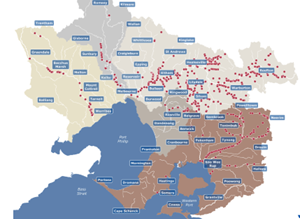
Located on the traditional lands of the Wadawurrung, the Wurundjeri and the Bunurong Peoples, the Port Phillip and Western Port region is Victoria’s most diverse and complex natural resource management region by virtue of its location, geography, land use and population.
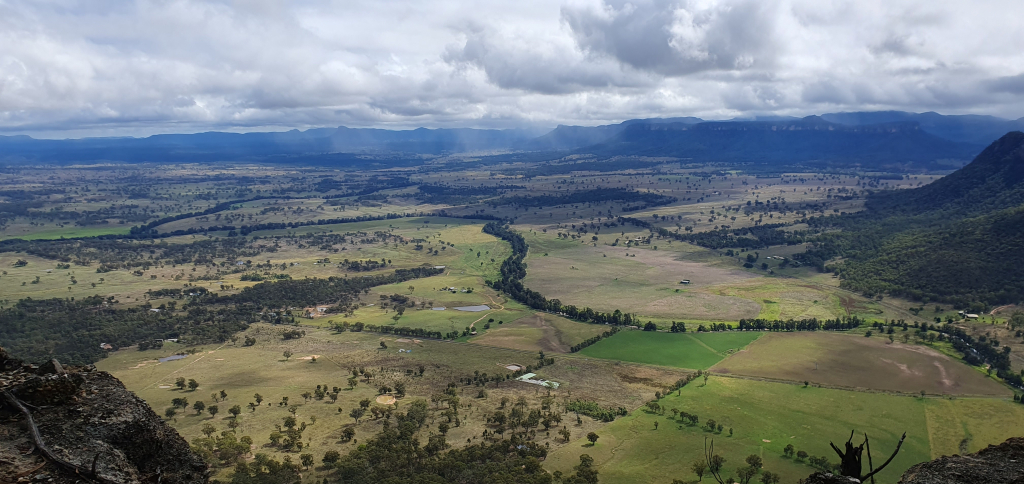
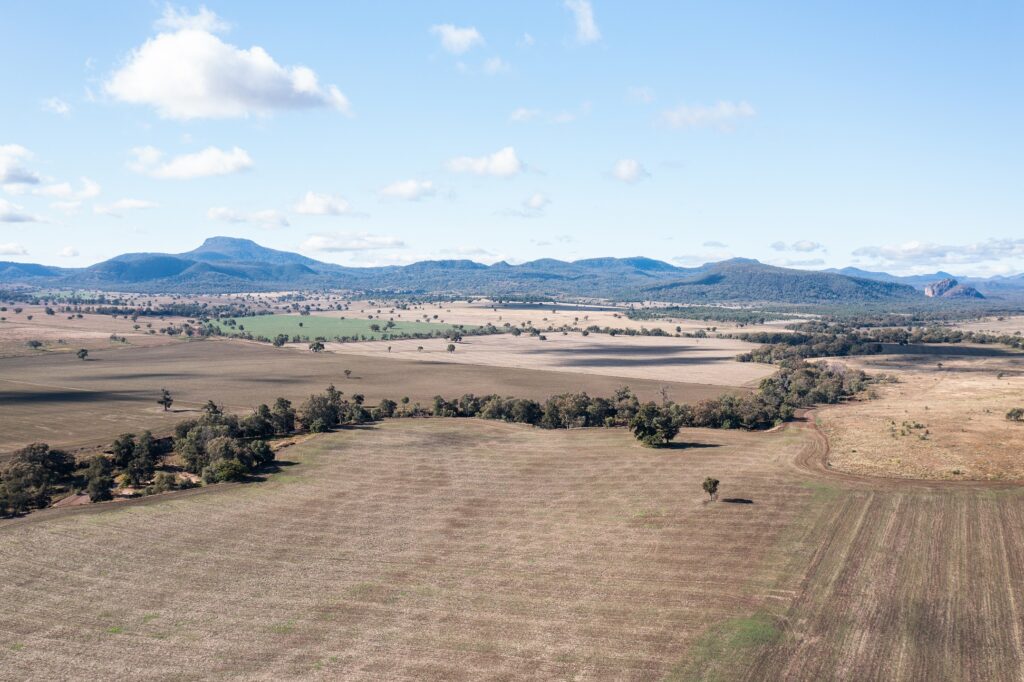
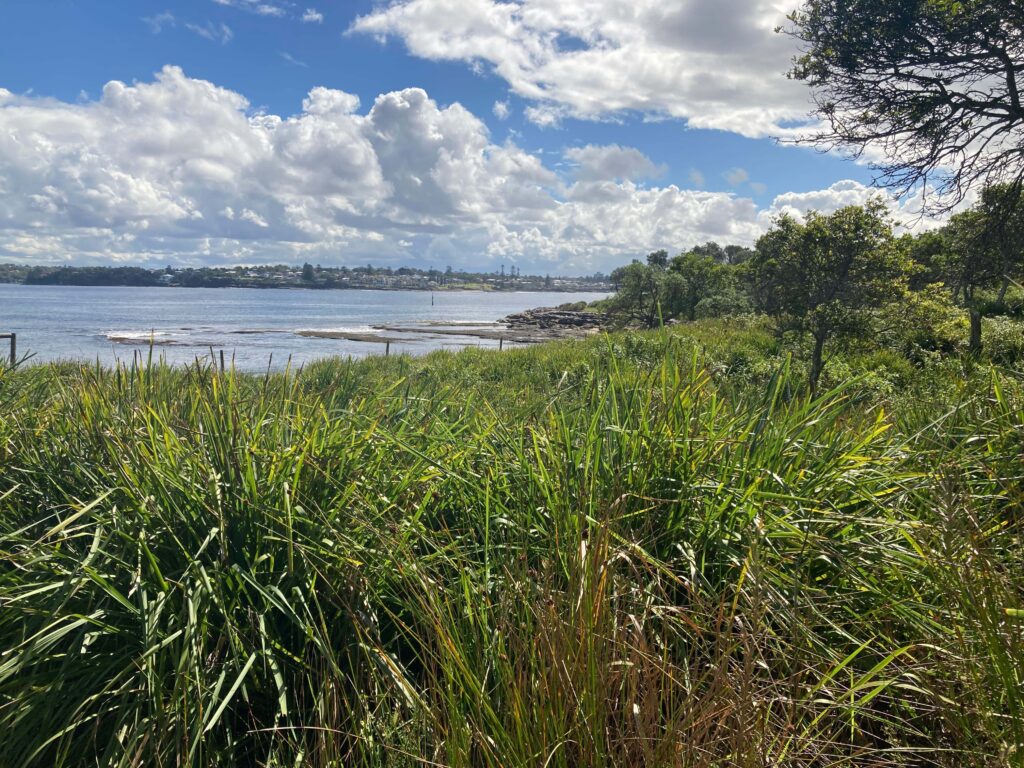
Covering an area of almost 13,000 square kilometres, the region extends from the You Yangs Ranges and volcanic plains in the west, across the Macedon Ranges and the Kinglake Plateau in the north, through the Yarra Valley to the foothills of the Baw Baw plateau in the east and south to the Bass Coast. The region also includes the bays of Port Phillip and Western Port, and Victoria’s two largest islands, French and Phillip Islands.
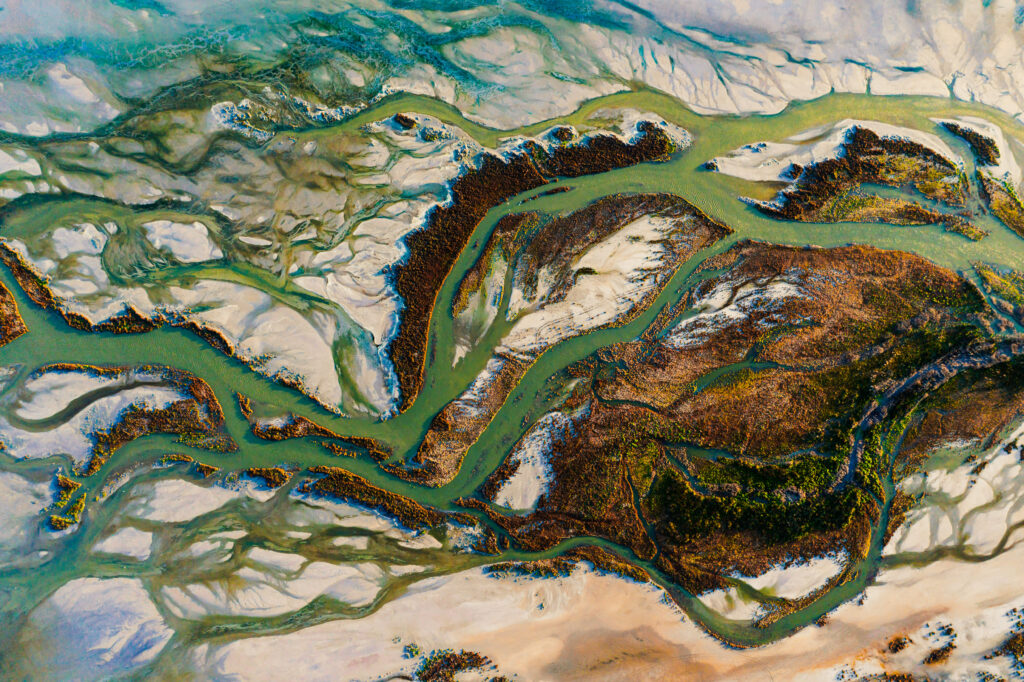
Across five distinctly different major catchment systems, the Werribee, Maribyrnong, Yarra, Dandenong and Westernport catchments, the region’s land and waterways form a complex network of interconnected and interdependent catchments, rivers, wetlands and estuaries, which flow to Port Phillip Bay and Western Port.
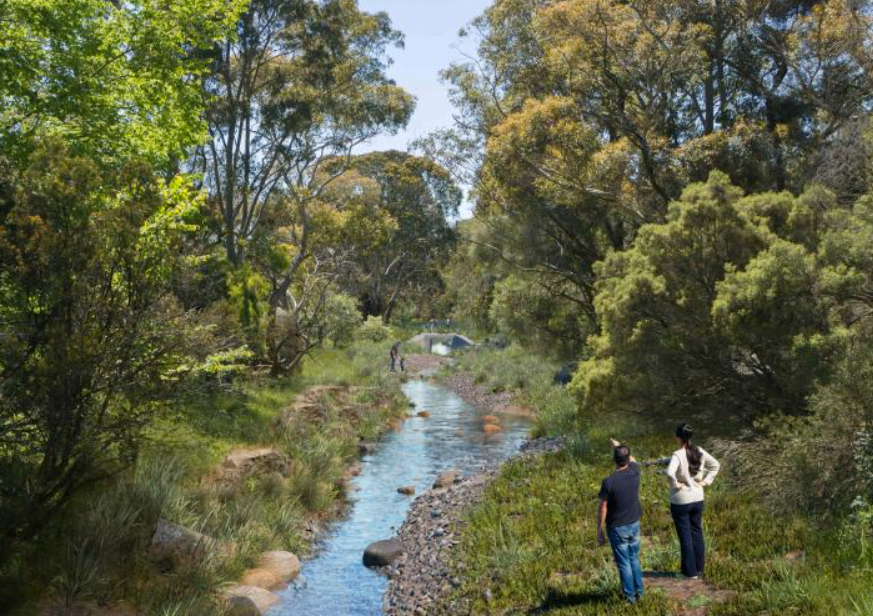
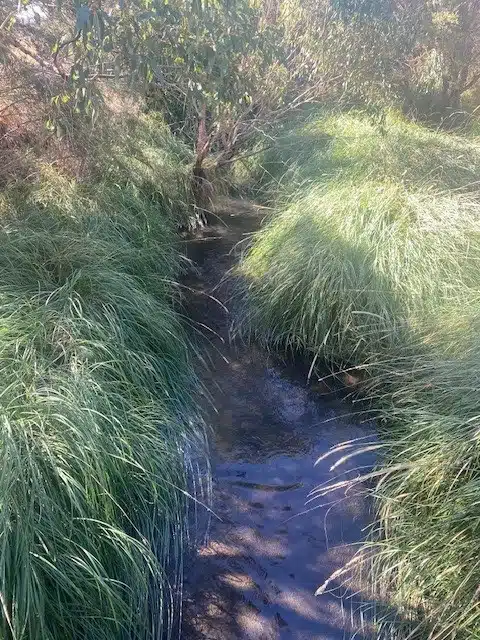
The Port Phillip & Western Port region holds more than 25,000 kilometres of rivers and creeks. Collectively they gather water from the landscape which flows into Port Phillip Bay and Western Port.
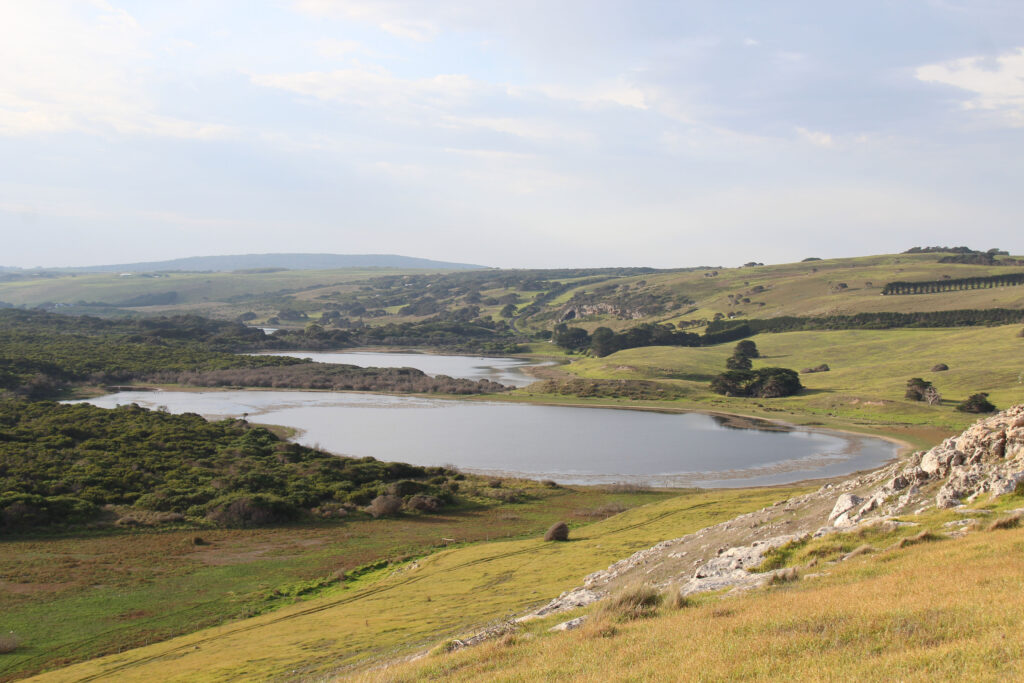
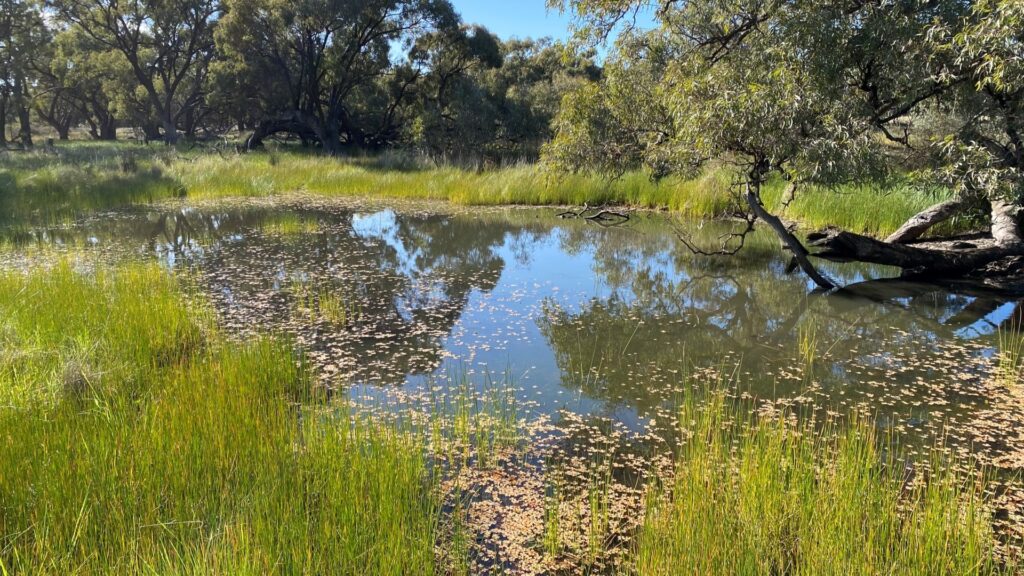
There are over 14,000 natural wetlands in our region. Wetlands are some of the most abundant environments on earth and provide important ecological services and values. They are important plant habitats which, in turn, support feeding and breeding for birds and animals. Wetlands are nature’s water purifiers. They protect water quality in the region’s rivers and bays by detaining flood flows, filtering, storing and recycling sediments and nutrients.
The region includes three wetland complexes which are listed under the Ramsar Convention on Wetlands of International Importance (a global, intergovernmental treaty for the conservation of wetlands):
Greater Melbourne has some of the highest-quality drinking water in the world due largely to having healthy and protected water catchments. Melbourne is one of only a few major cities in which most of its drinking water comes from protected catchments which have limited public access to minimise water quality risks. Our water supply catchments provide most of the potable supply for 75 percent of Victoria’s population, as well as many other economic, social and environmental benefits.
The Port Phillip and Western Port region covers around 1.28 million hectares, or 5.6 per cent of Victoria.
The urban area currently covers around 172,000 hectares or 14 per cent of the region. It contains over 5 million residents as well as the infrastructure, open space and natural areas that they need.
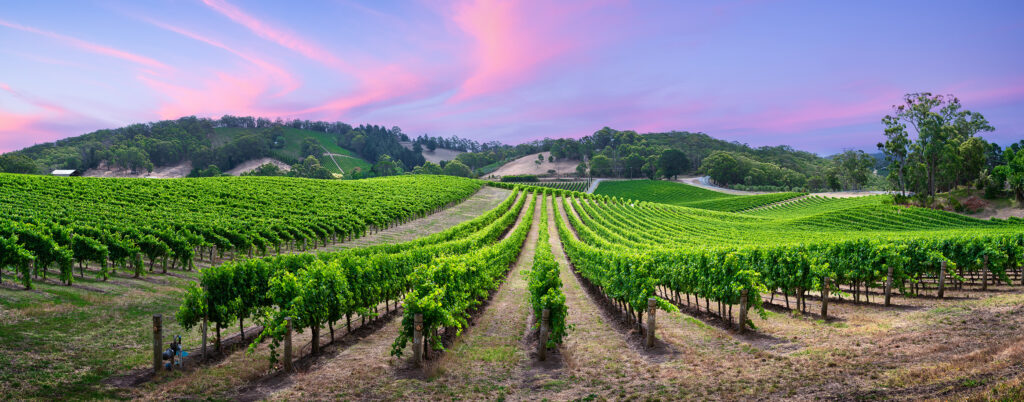
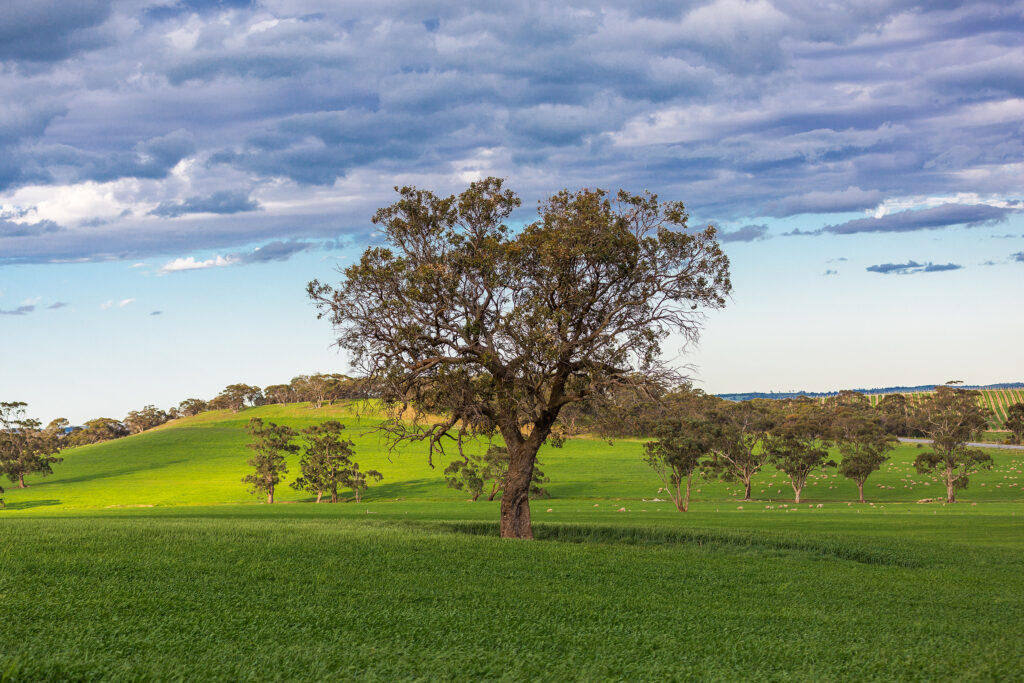
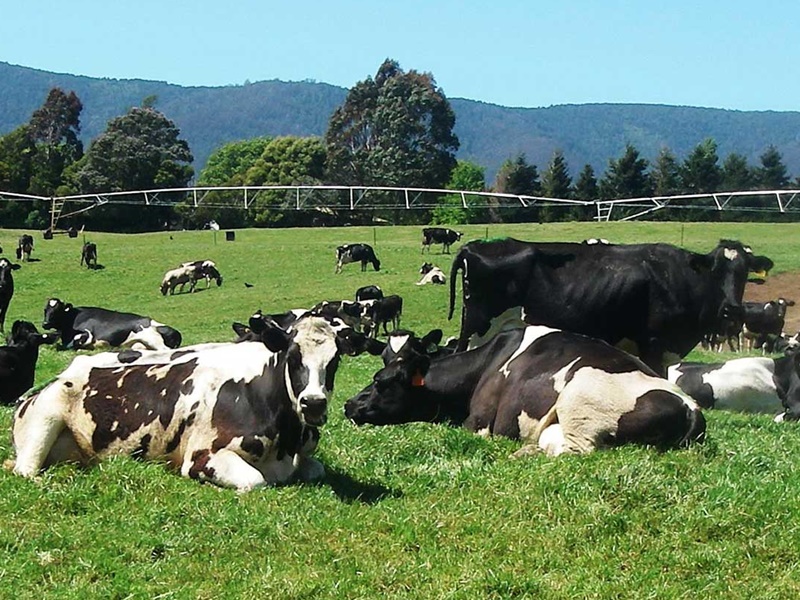
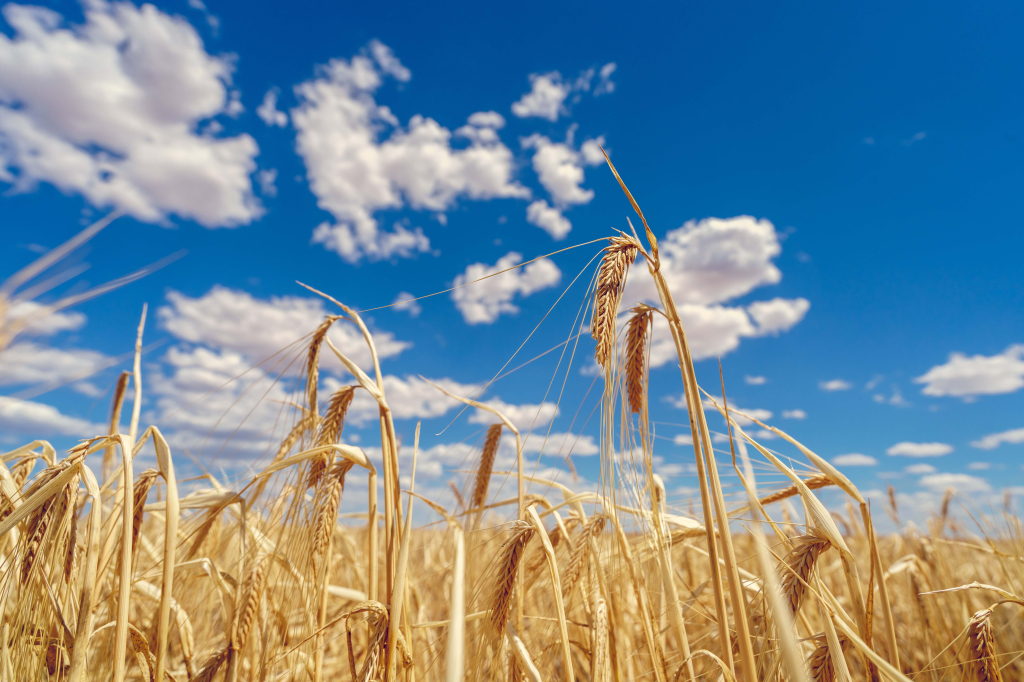
Around 44 per cent of the region is used for agriculture. A further 42 per cent is under native vegetation on private land and on public land in reserves, parks and water supply catchments.
Much of the region’s food, water, timber, building stone and sand supplies come from its rural areas. Protecting these primary industries and habitat for native species, natural areas and scenic landscapes is an important aim for the region’s green wedges and surrounding rural land.
Melbourne Water plays a key role in managing the land within and surrounding the region’s catchments, ensuring healthy landscapes that support clean water, biodiversity, and resilient ecosystems.
The Port Phillip & Western Port region’s climate is becoming warmer, drier, more extreme and less predictable:
These changes threaten to disrupt our regional economies, especially primary industries dependant on soils, weather, water, pest and disease control. Climate change poses new risks to water and energy supplies, community health and wellbeing. Extreme weather could overwhelm emergency and crisis responses.
Climate change is likely to increase and complicate existing environmental stresses in unpredictable ways. Helping the environment be resilient to these changes means doing a lot more of what we do now – protect the diversity of life, stop stealing nature’s living space and reduce the threats and pressures humans have brought to species and habitats.
Melbourne Water is working with communities, partners, and government to respond to these challenges and ensure the region remains healthy, liveable, and resilient.
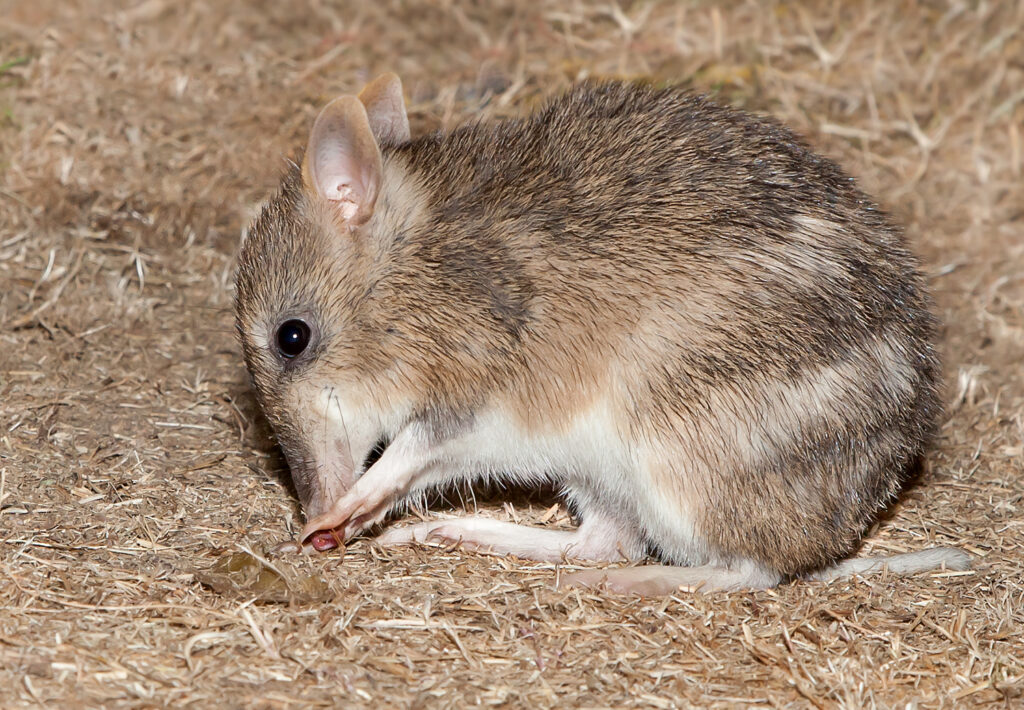
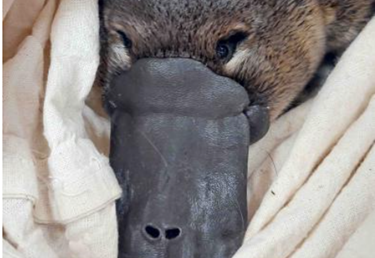
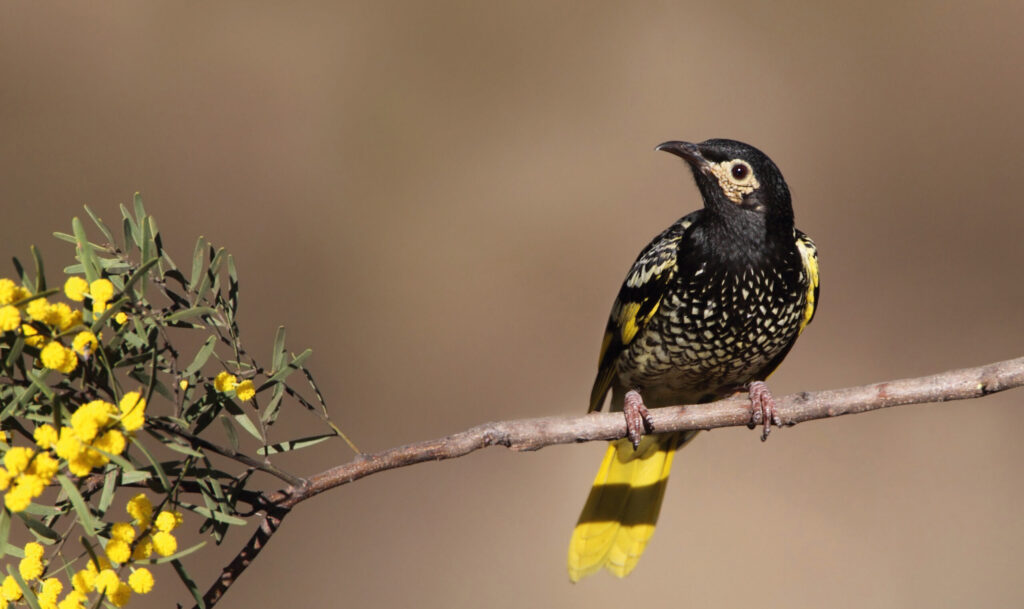
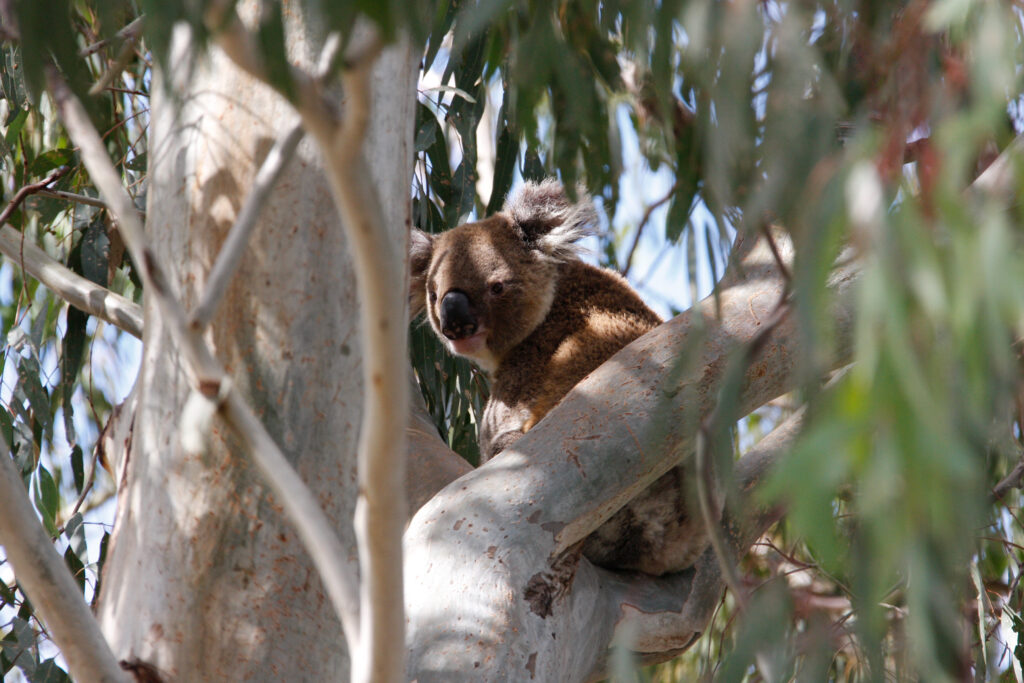
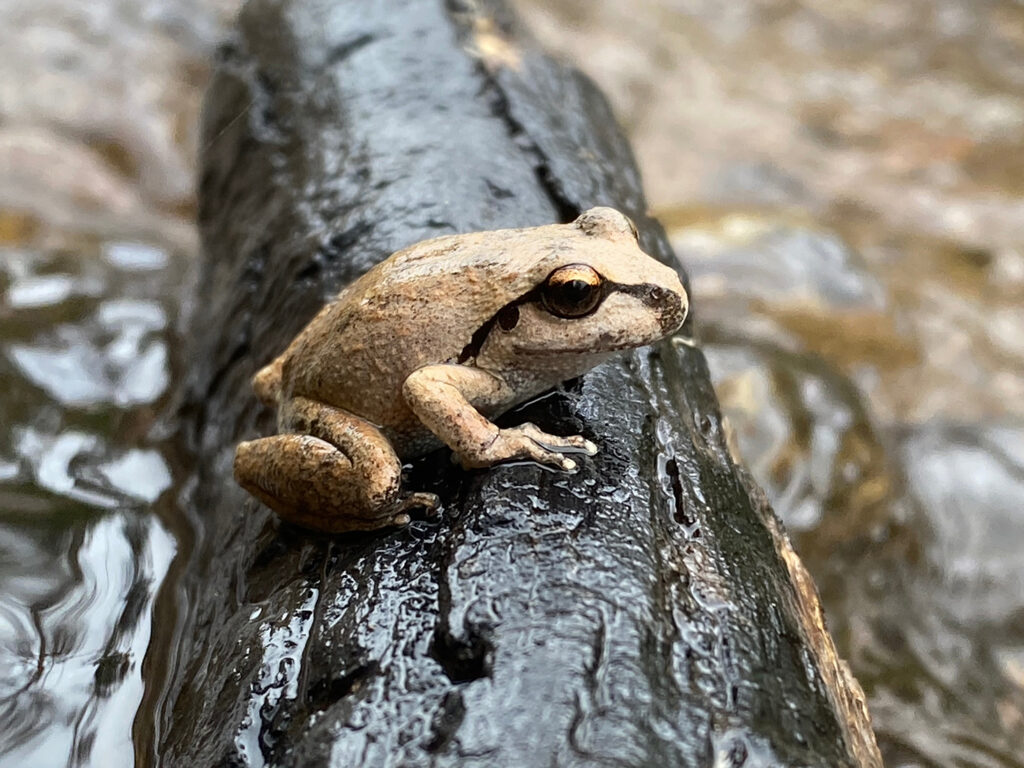
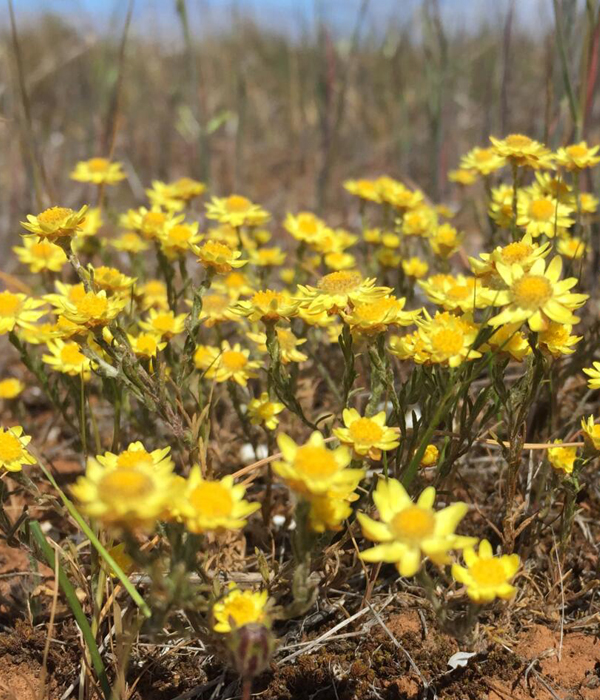
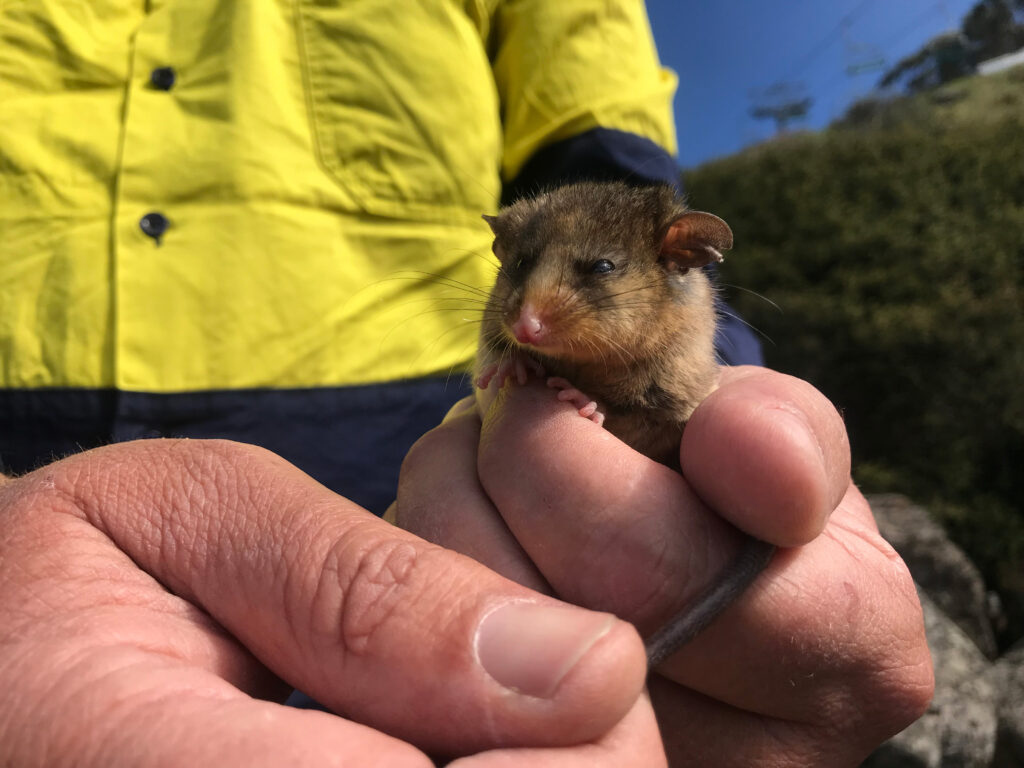
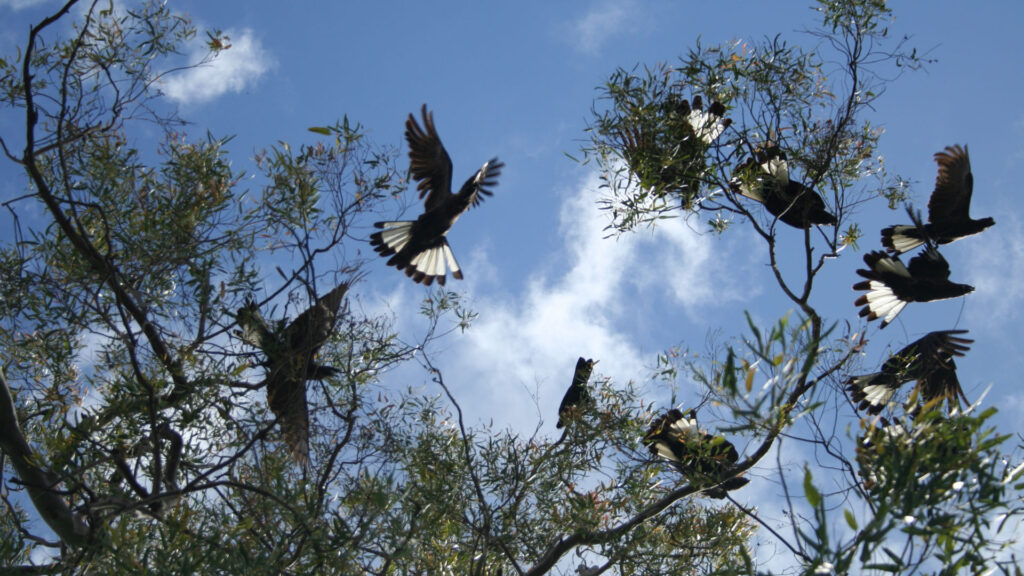
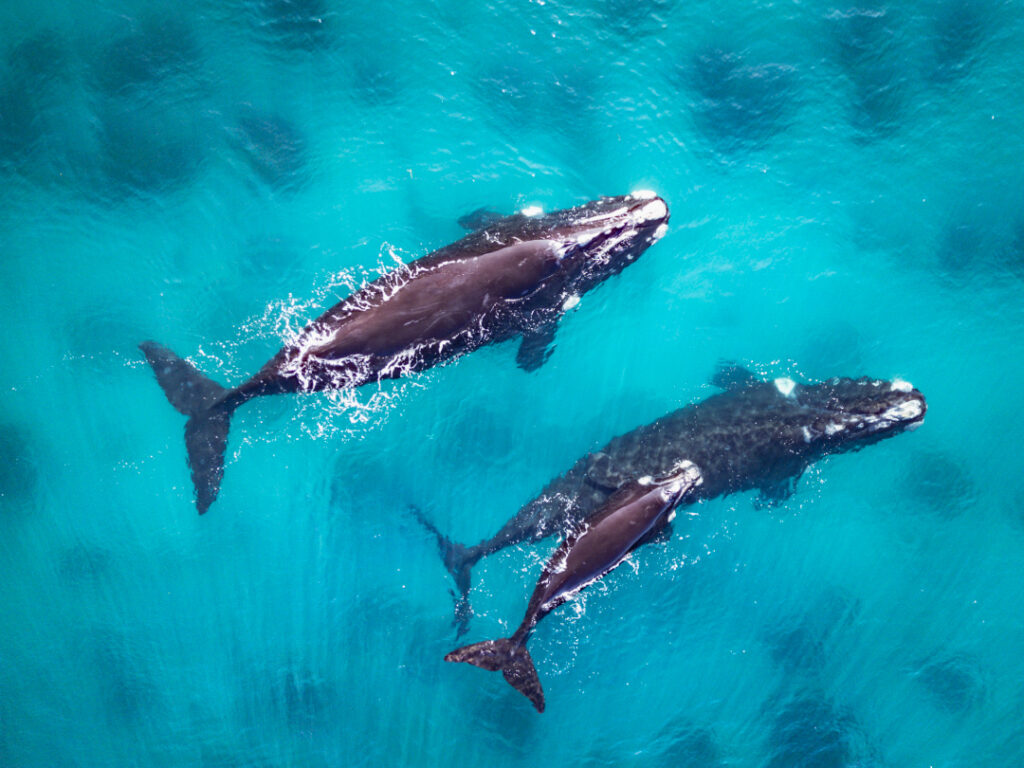
The Port Phillip and Western Port region is one of Victoria’s most diverse landscapes, supporting rich diversity of native vegetation, internationally significant wetlands, and a wide range of habitats from seagrass meadows and mangroves to forests and grassland systems. These environments underpin the region’s ecological health and provide essential services for communities, wildlife, and industries such as recreation and fisheries. The region also contains areas of global importance, including three Ramsar‑listed wetlands supporting migratory waterbirds, marine species, and unique coastal ecosystems such as saltmarshes and seagrass beds. The region is home to national icons like koalas, kangaroos and platypus as well as unique local species like the Helmeted Honeyeater and Leadbeater’s Possum.
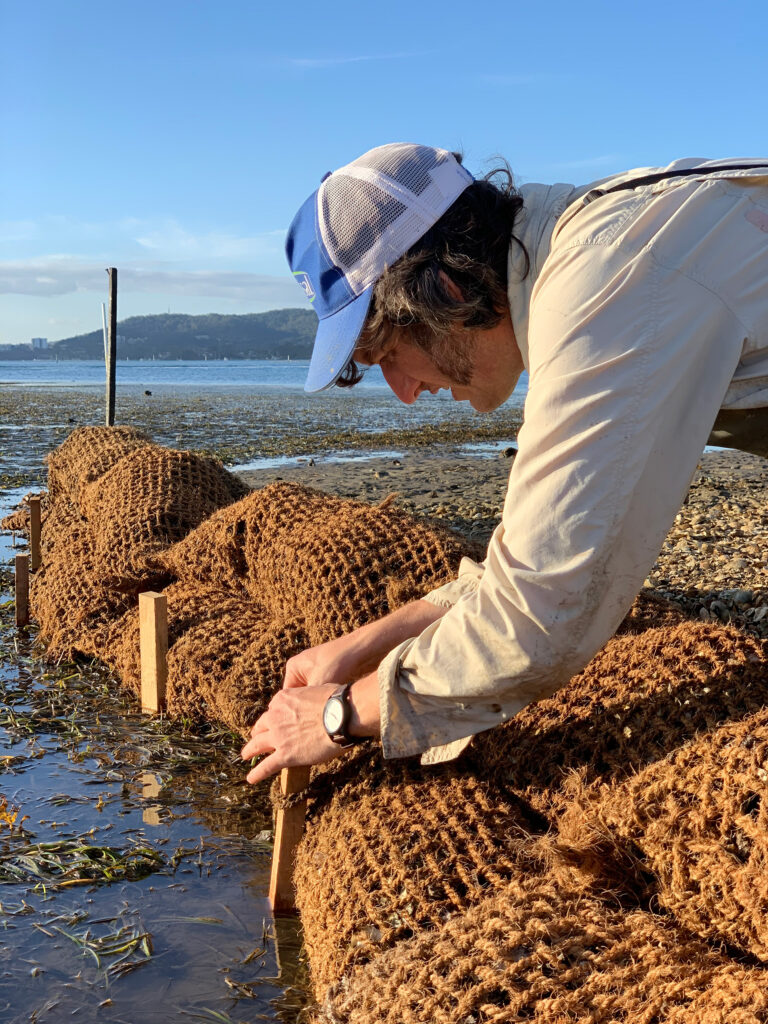
Melbourne Water plays a major role in protecting and enhancing these ecosystems—managing invasive species, improving hydrology, restoring mangroves and shellfish reefs, and supporting native fauna through habitat restoration.
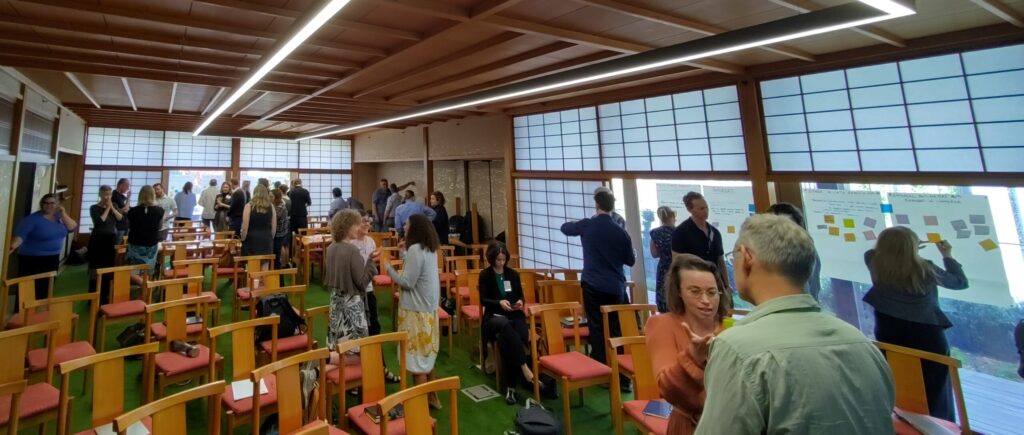
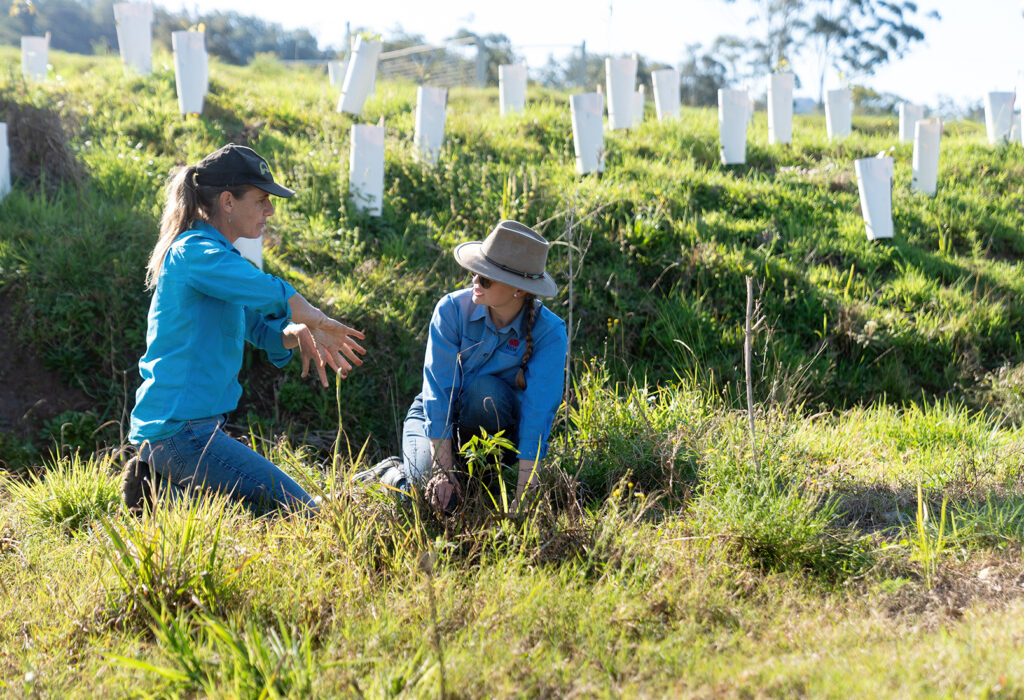
Communities across the Port Phillip and Western Port region provide an immense pool of knowledge, skills, services and funds that play a vital role in the successful achievement of a better environment for the region.
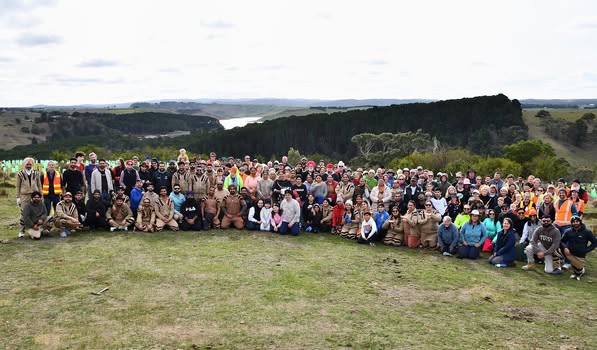
Activities of the broader community – groups undertaking on-ground works, landholders improving farm practices, council activities, Indigenous involvement in environmental projects and organisational support to improve the environment – are all key pieces that help make our region a better place to live.
2.3 million (or 42.1% of) people over 15 years of age volunteer in Victoria, each contributing an average of 224 hours a year or 4.3 hours every week with and for their fellow Victorians. In 2019, the value of volunteering to Victoria was $58.1 billion dollars.
The role of our community groups in educating and encouraging others cannot be underestimated. These groups provide others the opportunity to act responsibly, to influence others, to develop new skills, knowledge and employment, and to provide leadership in improving our catchments, coasts and seas.
Melbourne Water contributing to natural resource management outcomes
Discover how we protect catchments, wetlands and biodiversity—explore climate‑smart agriculture, Ramsar sites, partnership projects, and our Biodiversity Conservation Action Plan on our website.
Melbourne Water’s contributions to our national NRM snapshots