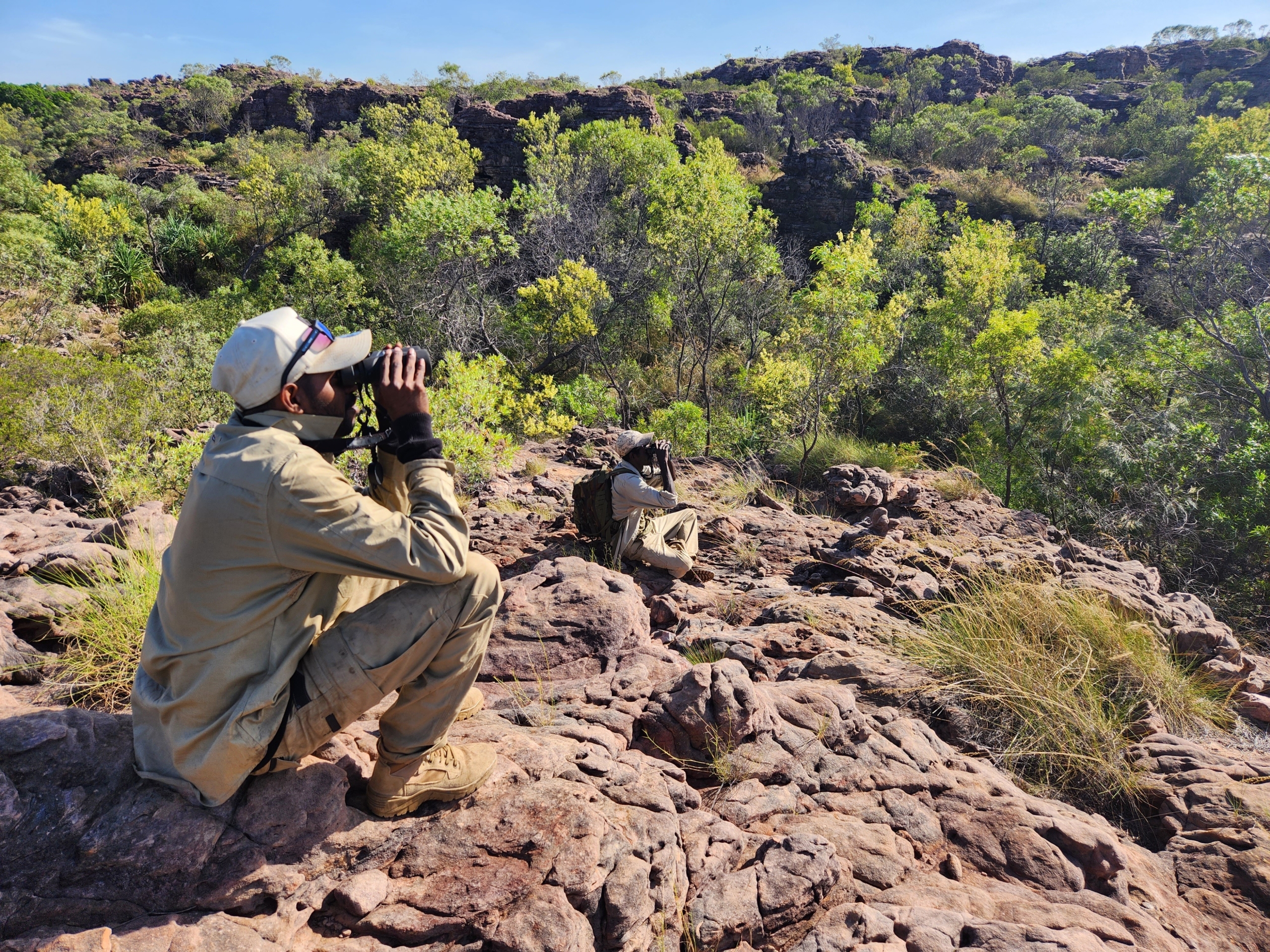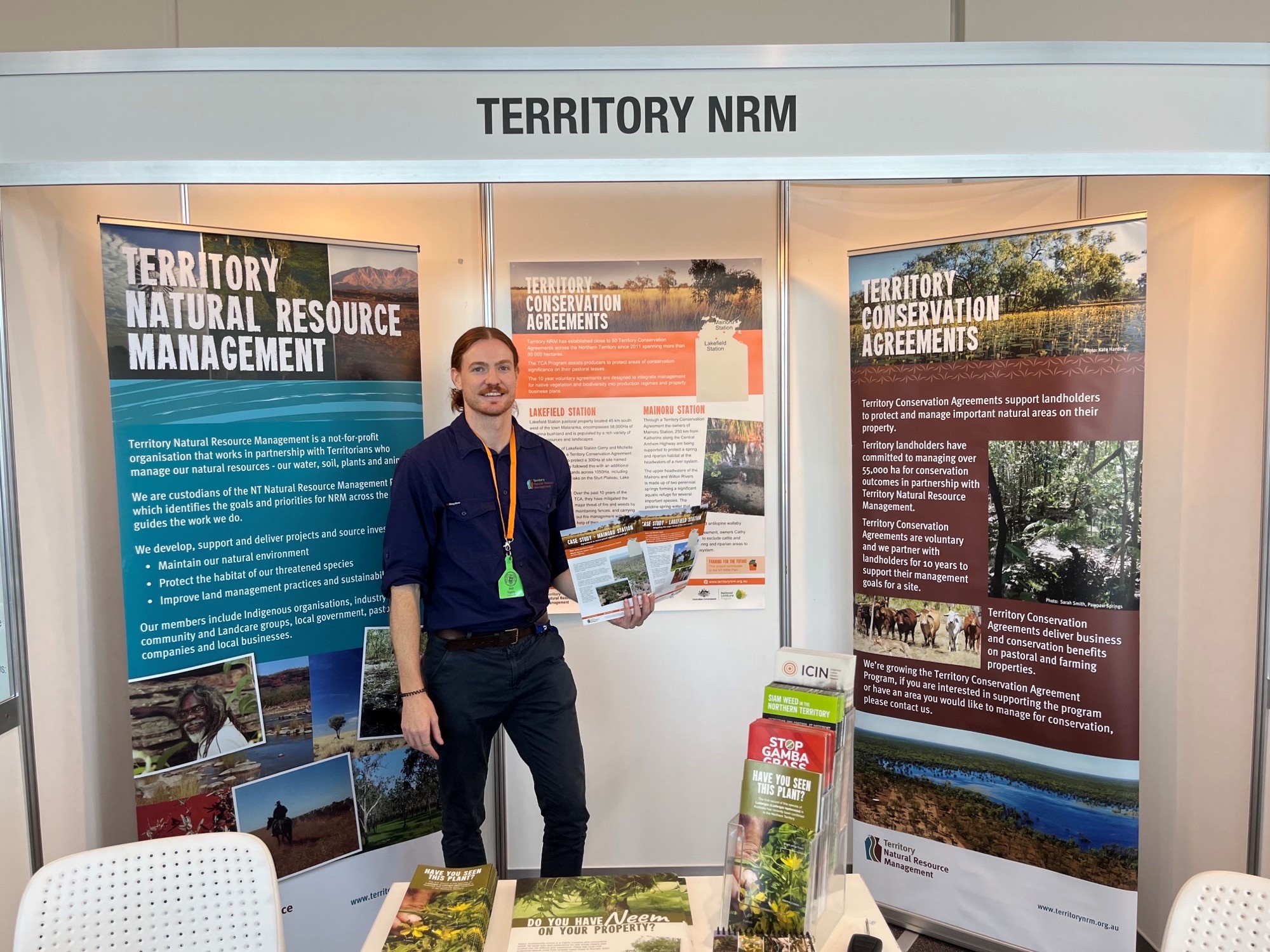
Territory Natural Resource Management (TNRM) is an independent, not for profit, membership based organisation which has been working with landholders, community groups, industry and government since 2003, to ensure sustainable management of water, land, soils and biodiversity in the Northern Territory.
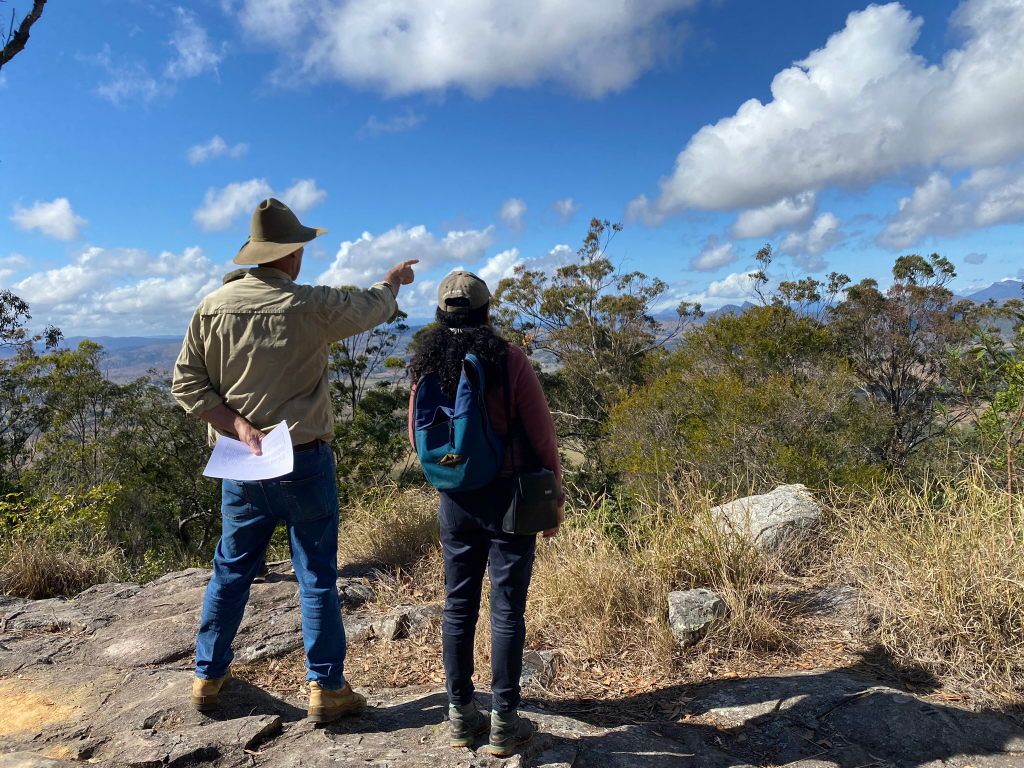
Our dedicated and professional team of staff work with people across the Territory to identify NRM issues and opportunities, and to plan and implement NRM solutions at a local and regional scale.
We develop, support and deliver projects and source investment to:
The Northern Territory NRM plan provides an overarching five year strategy for maintaining and enhancing the condition of our land and water resources, the productivity of our soils and the health of our natural habitats and biodiversity. It has been drafted following extensive consultation to capture community priorities across the Territory and is underpinned by the latest science.
Our work is guided by the NT NRM Plan, focused on maintaining and improving the Territory’s natural resources now and into the future.
By structuring the plan into four regions we reflect the diversity of the Territory landscapes and give a stronger voice to our regional stakeholders.
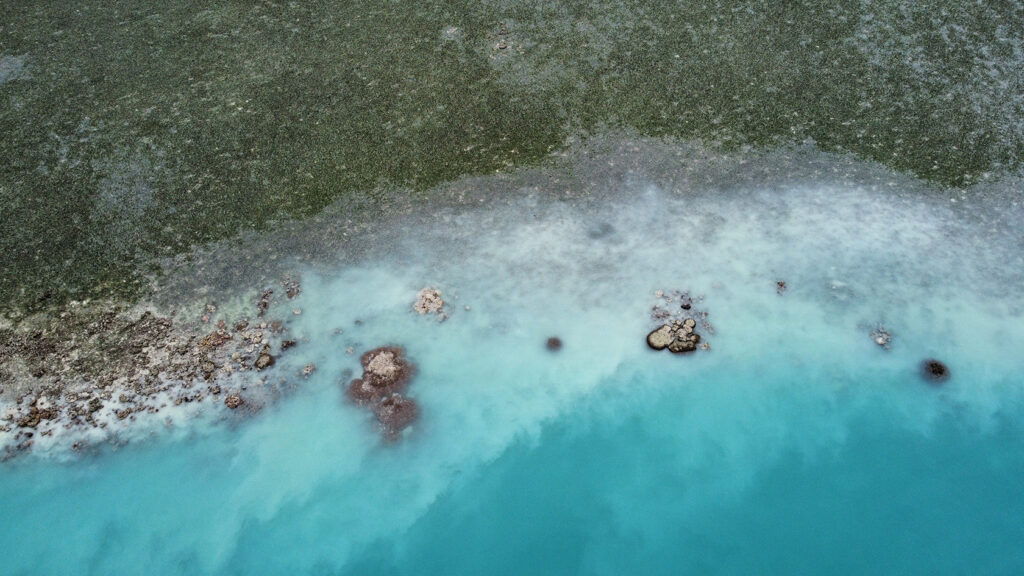
The Top End region covers 13% (176,500 km2) of the NT’s land area, the coastal waters account for about 84% (64,500 km2) of coastal regions within the NT and the vast majority of the coastal zone and land is Aboriginal freehold title.
Approximately 70% of the Territory population resides in the Top End, Darwin as the main administrative and commercial centre of the Territory and is often described as Australia’s gateway to South-East Asia. With one eye on the land and another on the sea, Darwin has become the business hub for a range of resource-based industries that are rapidly expanding across the region.
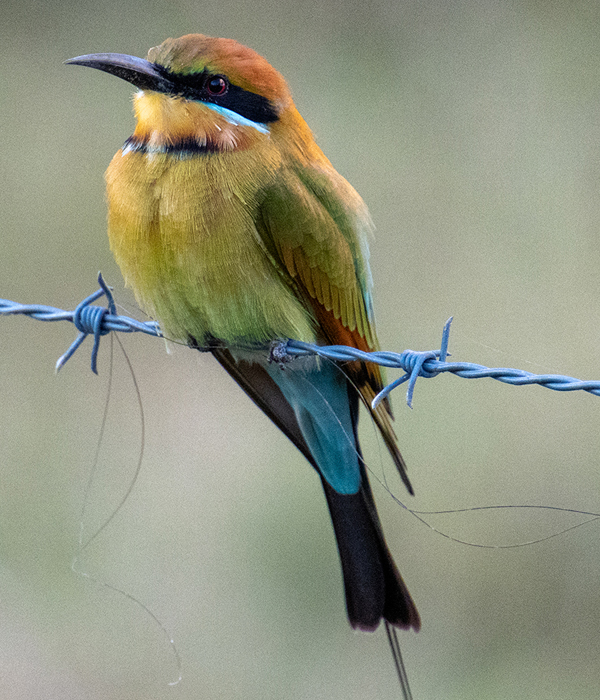
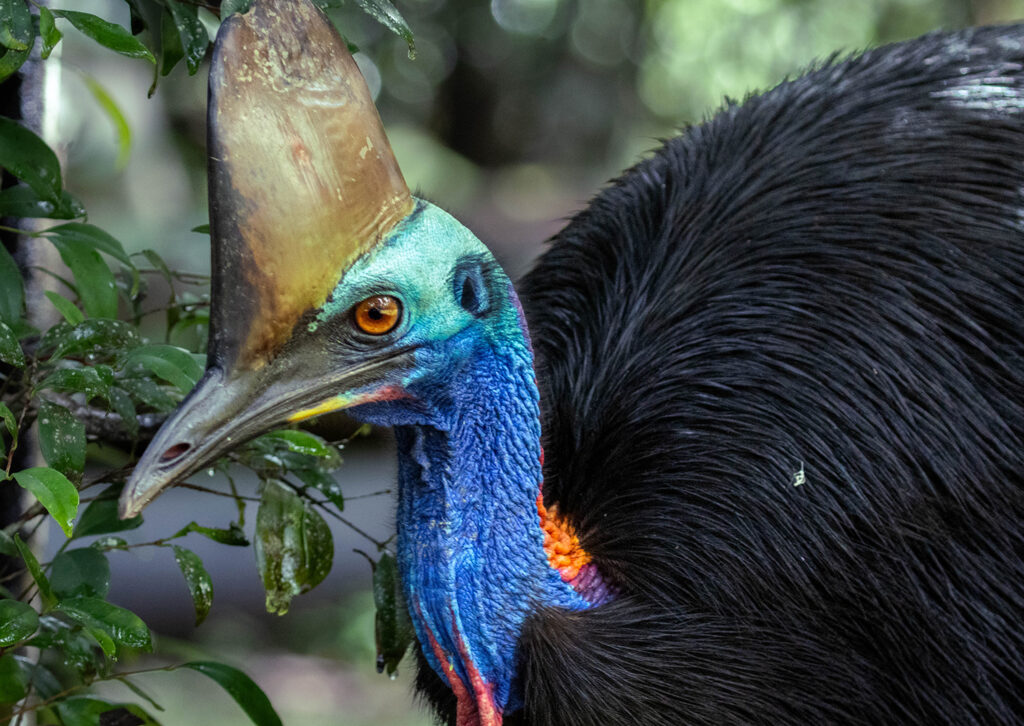
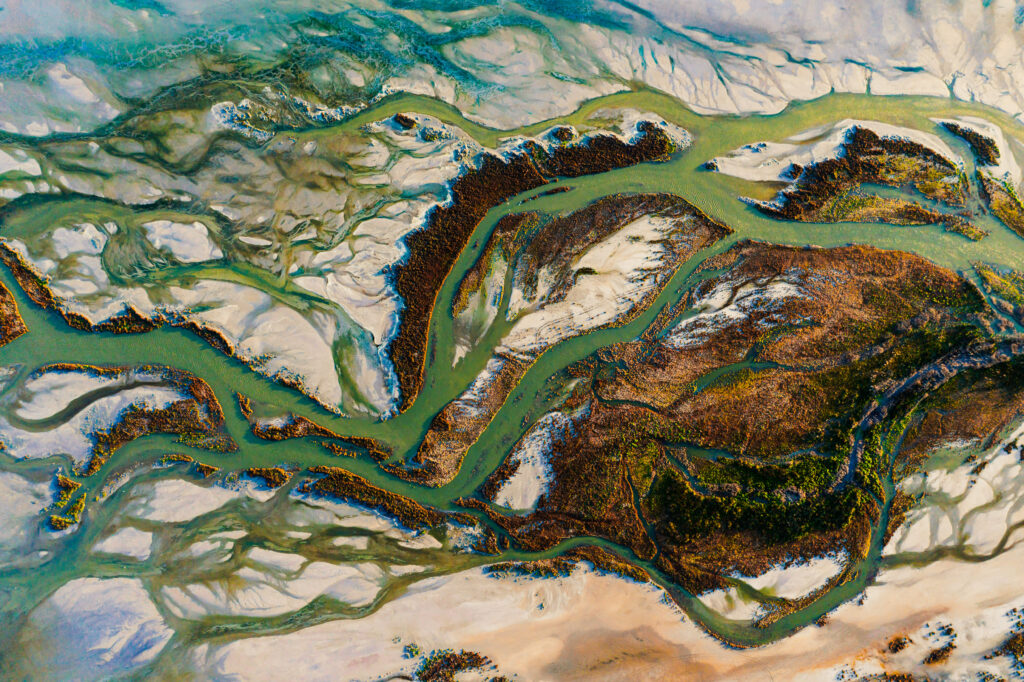
The Top End is characterised by extensive mangrove-lined coasts, wetlands and floodplains and numerous islands. The sandstone plateau of western Arnhem Land supports an unusually diverse biota, including many endemic plant and animal species. The Top End region contains many important breeding sites for marine turtles and colonial seabirds and roosting and feeding sites for migratory shorebirds. Numerous isolated islands provide important refuge from processes that threaten mainland areas. National parks and reserves in the Top End region include the internationally-renowned Kakadu National Park which is a World Heritage-listed and Ramsar site.
Aboriginal culture in the region dates back 50,000 to 60,000 years. The richness of Aboriginal cultures in the Top End is demonstrated by the diversity of Aboriginal languages. Aboriginal languages remain the primary language for many Aboriginal people in the Top End and a vast body of in-depth traditional ecological and cultural knowledge drives ceremonial and cultural practices that continue today. Also, there are some Indigenous Protected Areas (IPAs) that cover vast areas of the Top End region.
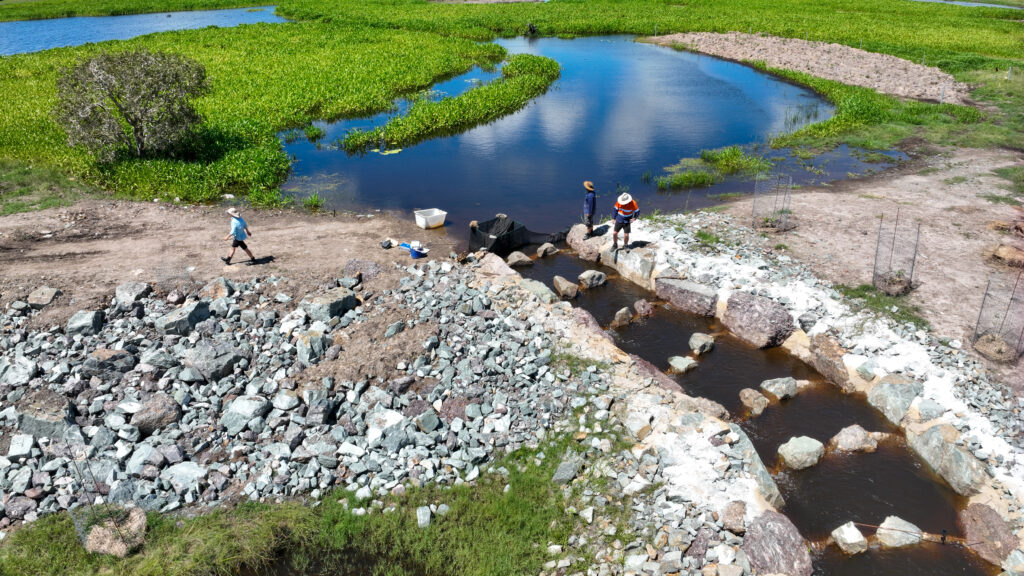
The Gulf Savannah region covers 23% (311,000 km2) of the land area and 16% (11,500 km2) of the coastal region of the NT.
The region includes a variety of ecosystems, including arid, savanna, plateau and coastal waters and islands. The region is predominantly savanna woodland, but also includes areas of savanna grassland, spinifex grassland, open forest, escarpment, floodplains, ranges, islands, coastal wetlands, large river systems and marine environments.
Approximately 9% of Territorians reside in the Gulf Savanna. The town of Katherine is situated 320km south-east of Darwin and is the largest town and service centre. Other towns and communities in the region include Mataranka, Miniyeri, Lajamanu, Daly Waters, Larrimah, Daguragu/Kalkarindgi and Borroloola. There are also many small Aboriginal outstations in the region.
The diversity of Aboriginal cultures in the Gulf Savannah is demonstrated by the diversity of language groups, numerous listed sacred sites, culturally significant places in the landscape, continuing ceremonial practices and a vast body of knowledge that is held by Aboriginal people in the region.
There is also a strong history of pastoralism in the region with nearly two-thirds of the region being under pastoral lease. Some families have lived and managed properties in the Gulf Savannah for many generations and many pastoral properties are vast in size.
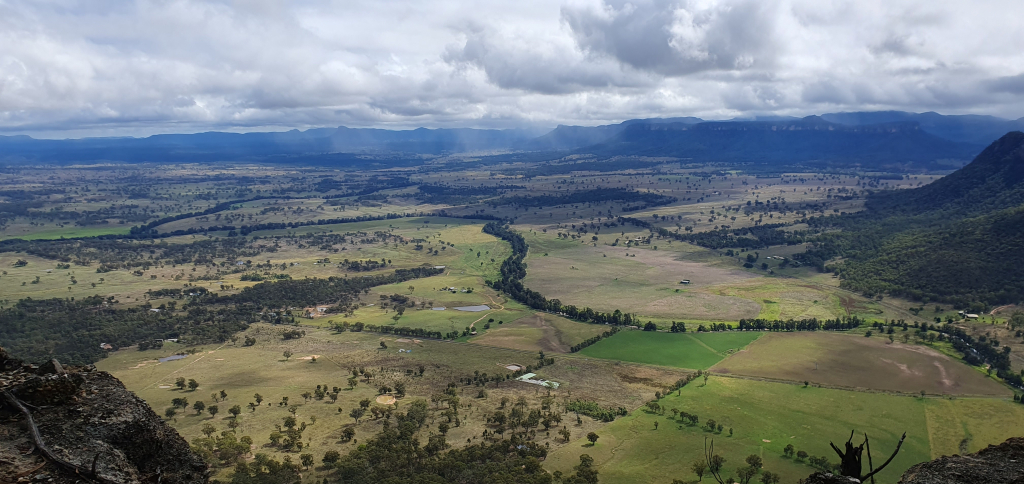
The region is unique in that it has not been subjected to the same development pressure of urban expansion or intensive agriculture as have other parts of Australia and thus natural landscapes are still largely intact. However, the environmental and cultural values of the region have declined significantly over many years and a number of species are under increasing pressure from threats such as wildfires and feral animals.
The Tablelands region (otherwise known as the Barkly region) is the most sparsely populated NRM region in the Territory. It covers 15% of the Territory’s land area, but contains only around 3% of the population (approx. 7500 people). Many of these people live in the main town of Tennant Creek.
The region has a diverse economy including mining, pastoralism and regional service delivery. Black soil plains cover much of the Tablelands and support some of the best cattle grazing country in Australia with nearly three quarters of the area under pastoral lease.
Average rainfall in this inland area is low (approx. 400-450mm pa) and subject to extreme seasonal fluctuations with rains occurring mostly from November to March during the hot summer.
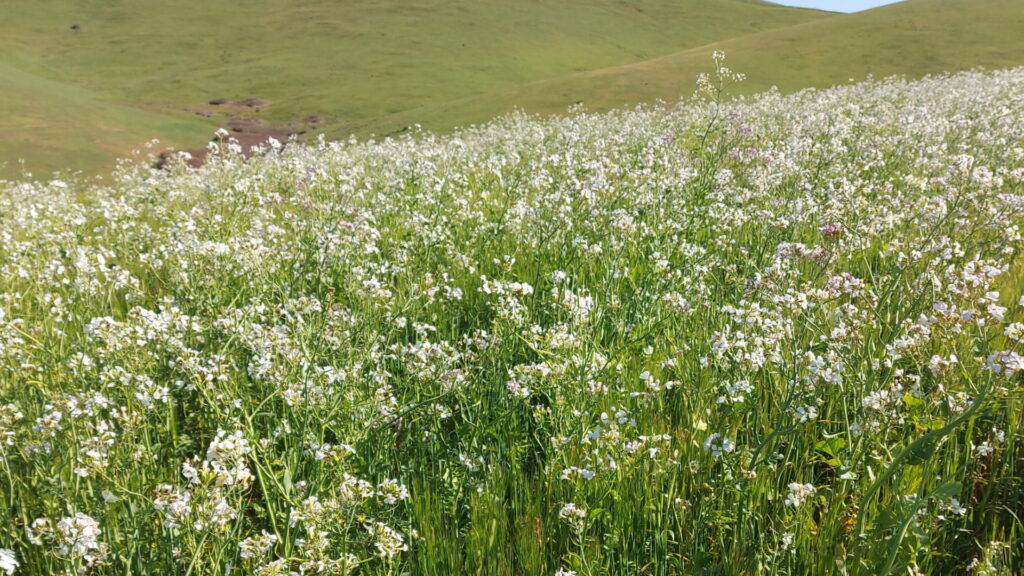
The natural resources of the region support people, jobs, economies, as well as internationally significant biodiversity. It is an area of iconic semi-arid savanna of Mitchell Grass and internationally important wetlands and lake systems. Many of these areas are important refuge and breeding sites for waterbird colonies. The Davenport and Murchison Ranges site is an important conservation area with a network of sheltered gorges and rare and endemic fauna.
There are many Aboriginal communities in the Tablelands region with approximately 17% of the Tablelands region under Aboriginal freehold land. There are numerous sacred sites listed under the Northern Territory Aboriginal Sacred Sites Act, as well as culturally significant places in the landscape. Indigenous languages remain the primary languages of many Aboriginal people and a vast body of in-depth traditional ecological and cultural knowledge drives ceremonial and cultural practices that continue today.
The Arid Lands is a region of iconic landscapes which are internationally renowned for their outstanding natural values, extraordinary geological landforms and living Aboriginal culture which dates back 50,000 to 65,000 years. Both the stunning landscapes and Aboriginal culture of the region are major drawcards for domestic and international visitors to the region.
The climate of the region is characterised by extremes with temperatures ranging from around 40oC in the summer to below 0oC in the winter overnight. Rainfall varies from year to year, but overall, the climate is dry most of the time.
There is also a long history of pastoralism in the region. The region is unique in that it has not been subjected to the same development pressure of urban expansion or intensive agriculture as have other parts of Australia and thus the natural landscapes are still largely intact.
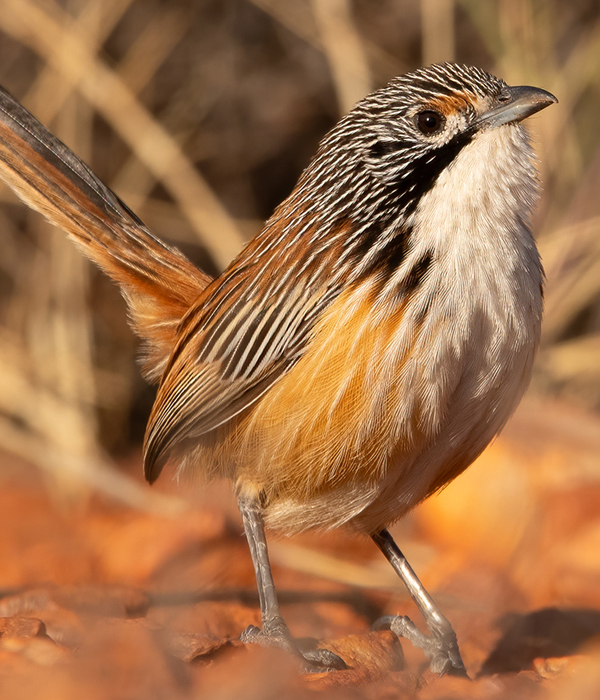
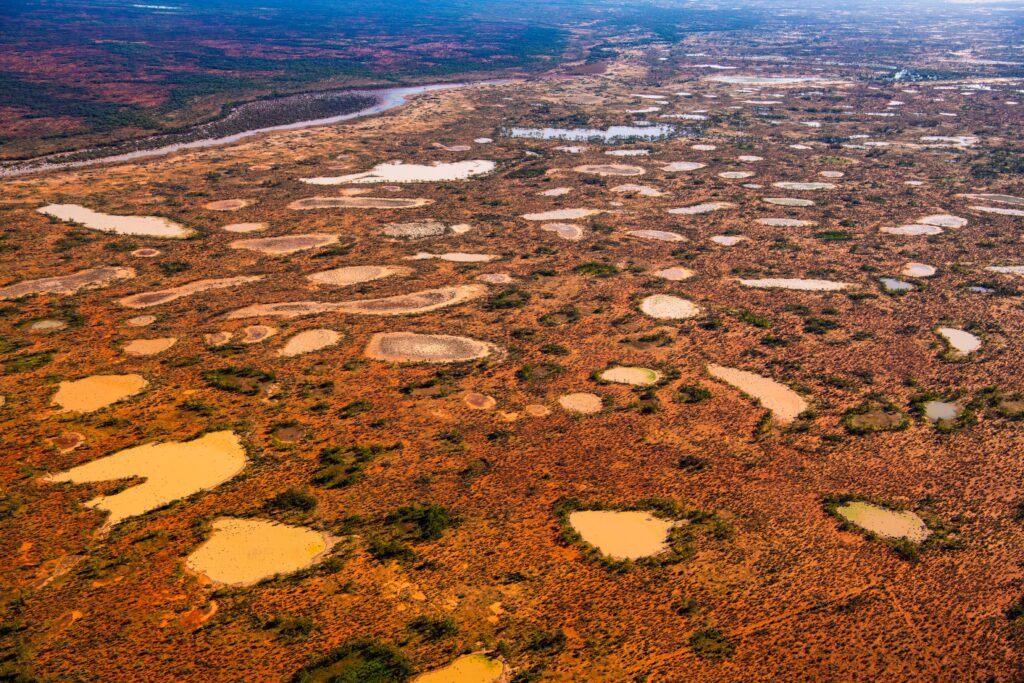
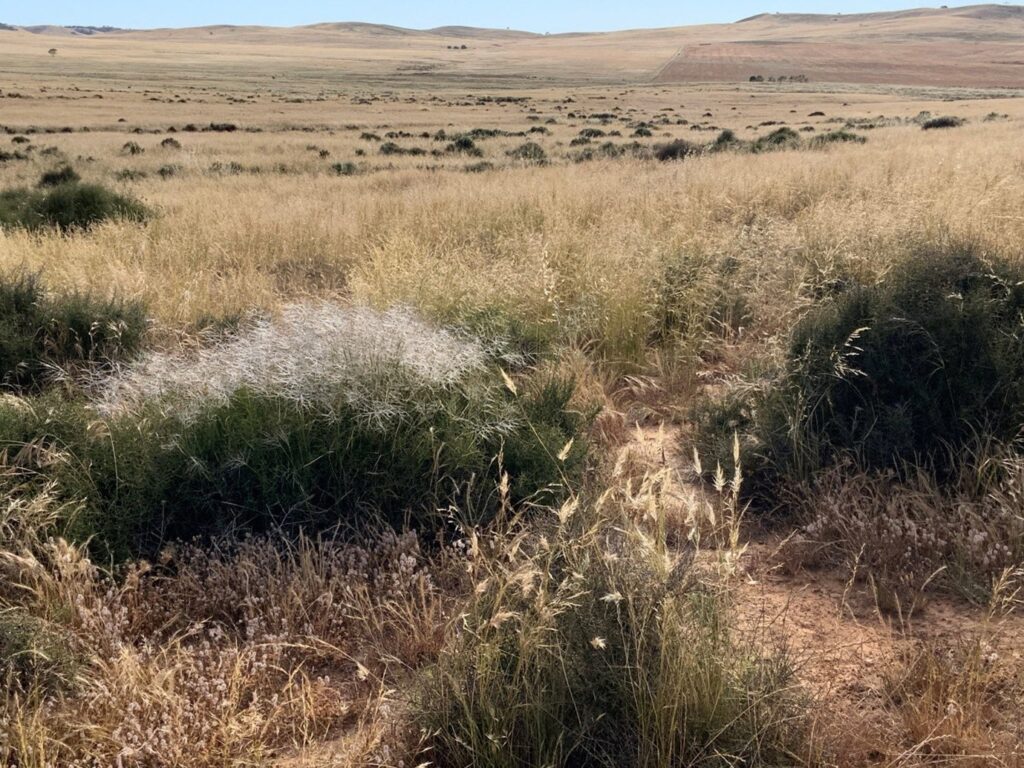
The Arid Lands consists of a diversity of habitats including rugged ranges and gorges, woodlands, desert rivers, rockholes, mulga woodland, spinifex grasslands and sand country. The gorges provide important refuges for a collection of plants and animals within some of the least modified deserts in the world.
Numerous biologically significant plants and animals are found in the region, alongwith exemplary geological features including Uluru-Kata Tjuta National Park, a World Heritage National Park which is listed for both its outstanding universal natural and cultural values.
The richness of Aboriginal culture in the Arid Lands is demonstrated by the diversity of Traditional Owners living in the region, the numerous sacred sites and culturally significant places in the landscape. Indigenous languages are the main language for many Aboriginal people and a vast body of in-depth traditional ecological and cultural knowledge drives ceremonial and cultural practices that continue today.
The environmental and cultural values of the region are under increasing pressure from a number of threats such as wildfires, feral animals including cats, rabbits, camels and introduced plants such as buffel grass. The impact of these threats on culturally significant species for Aboriginal people, as well as the loss of traditional Aboriginal knowledge and threats to culturally significant sites are also significant issues. The productivity of the landscape for pastoralism is also at risk from these threats.
Territory NRM contributing to natural resource management outcomes
We work alongside landholders, community groups, industry and government to support sustainable management of water, land, soils and biodiversity in the Northern Territory.
Territory NRM’s contributions to NRM shared knowledge across Australia
Territory NRM’s contributions to our national NRM snapshots