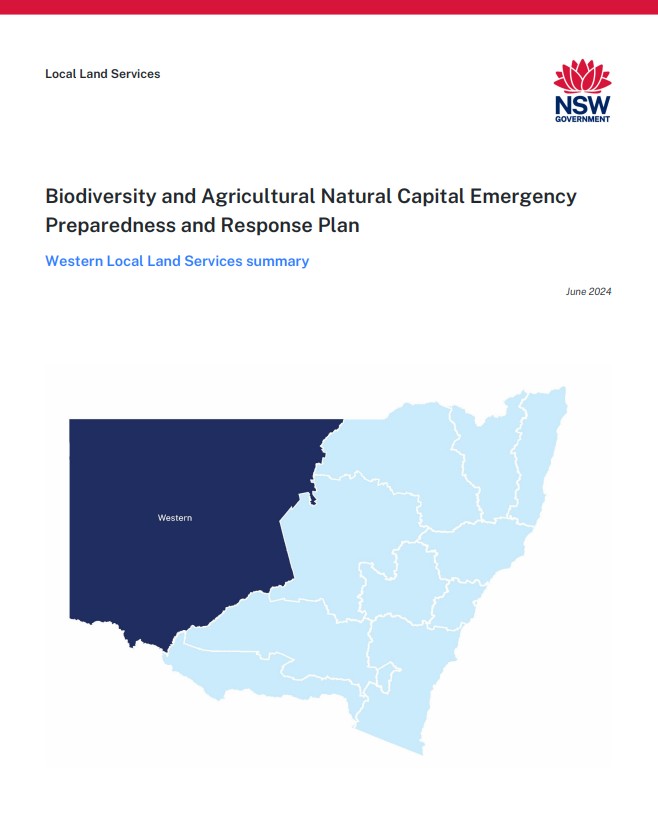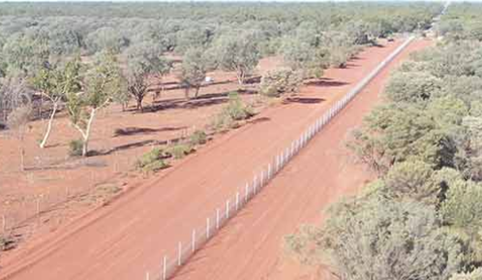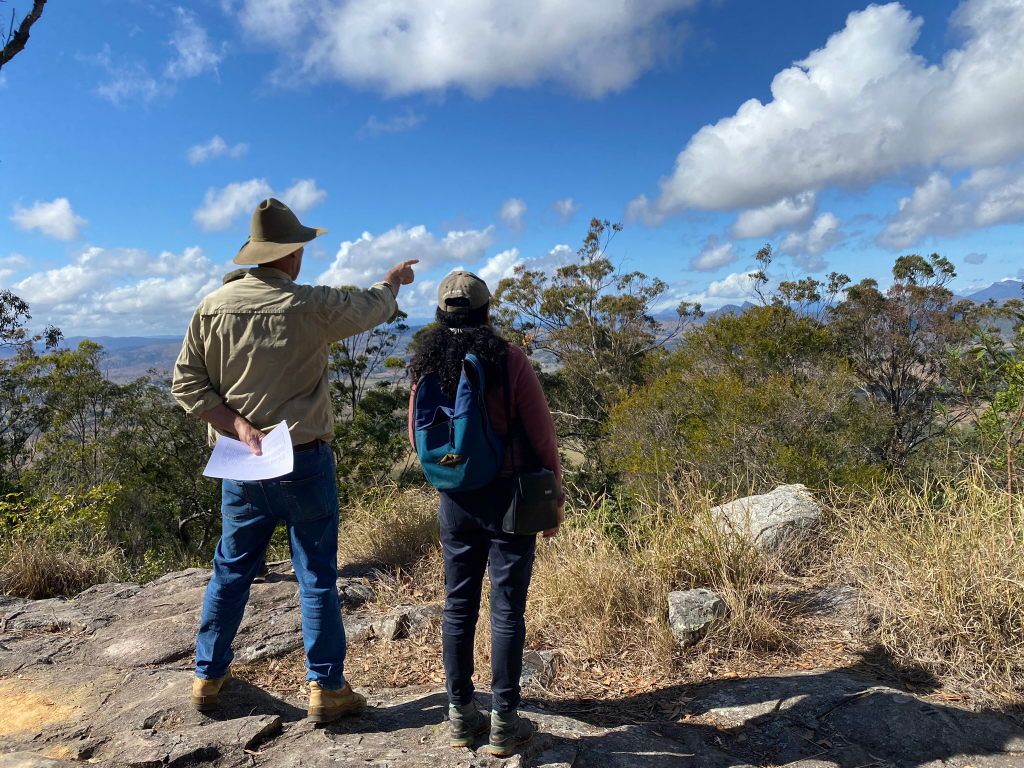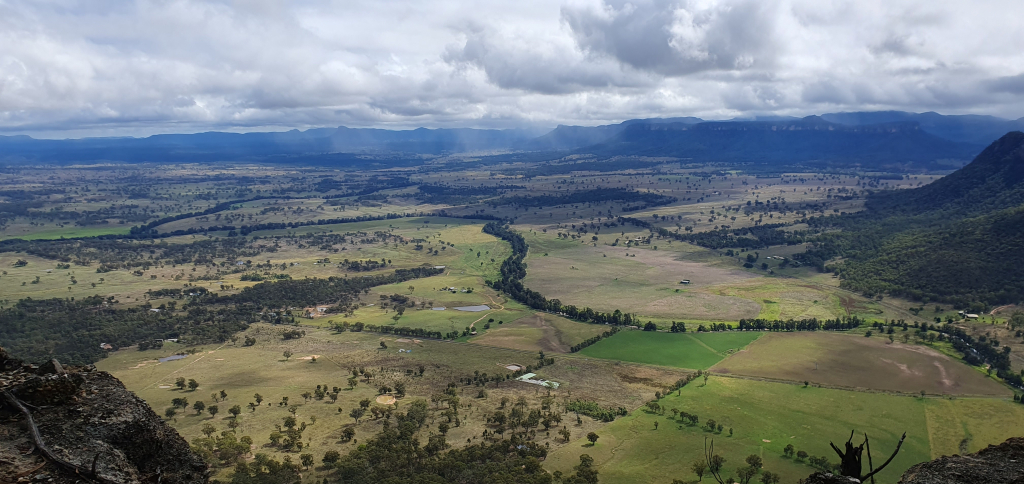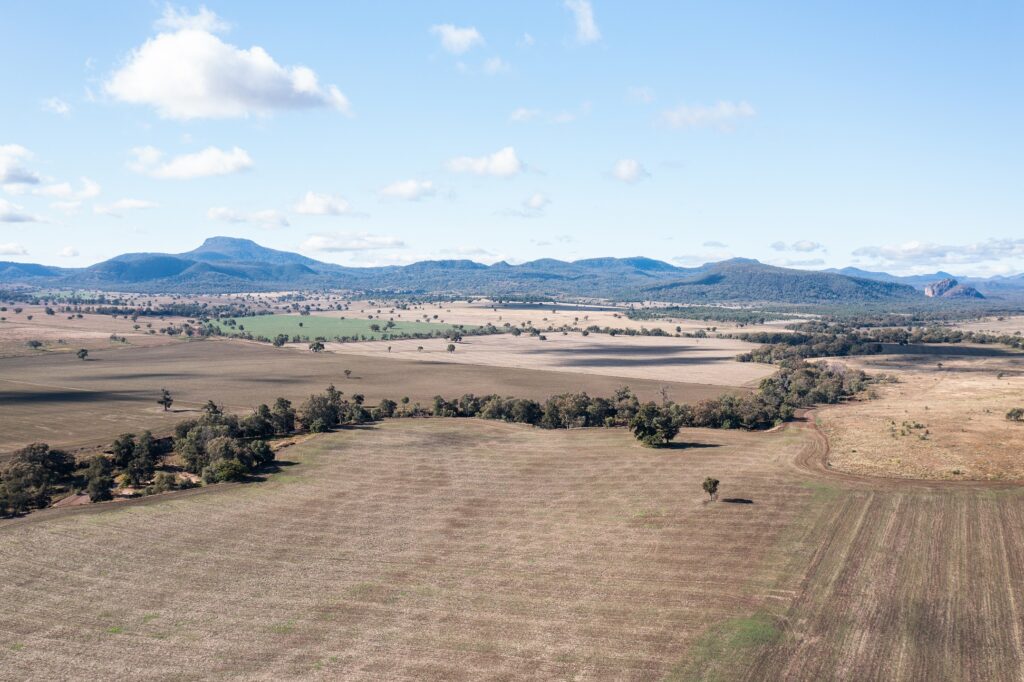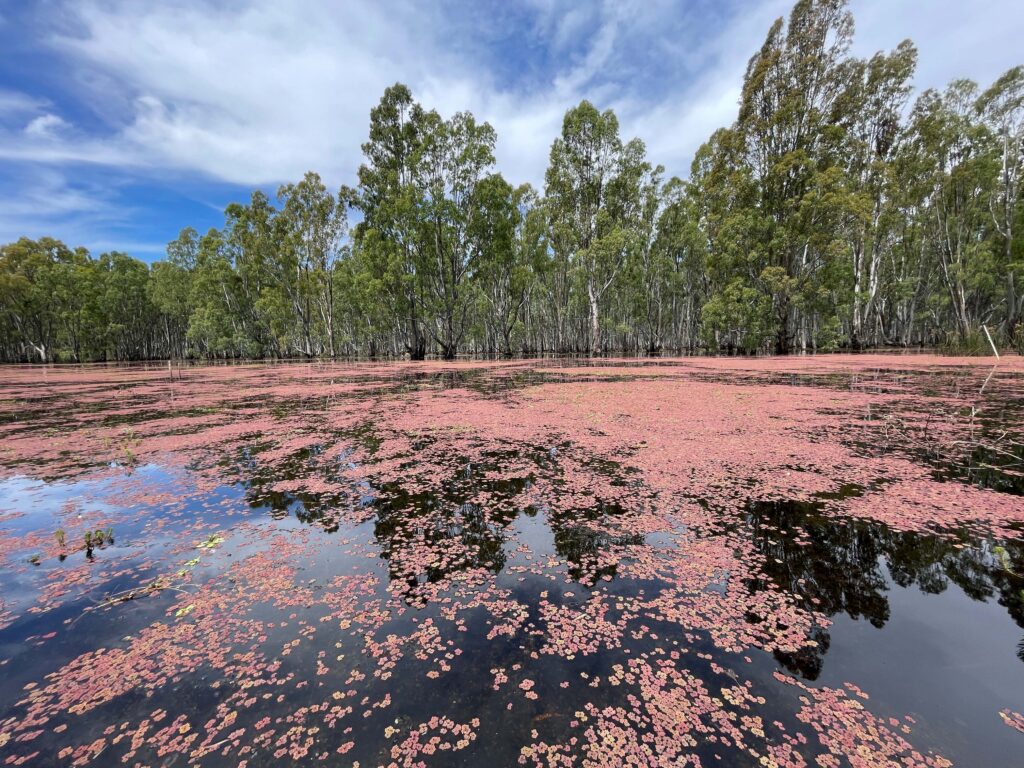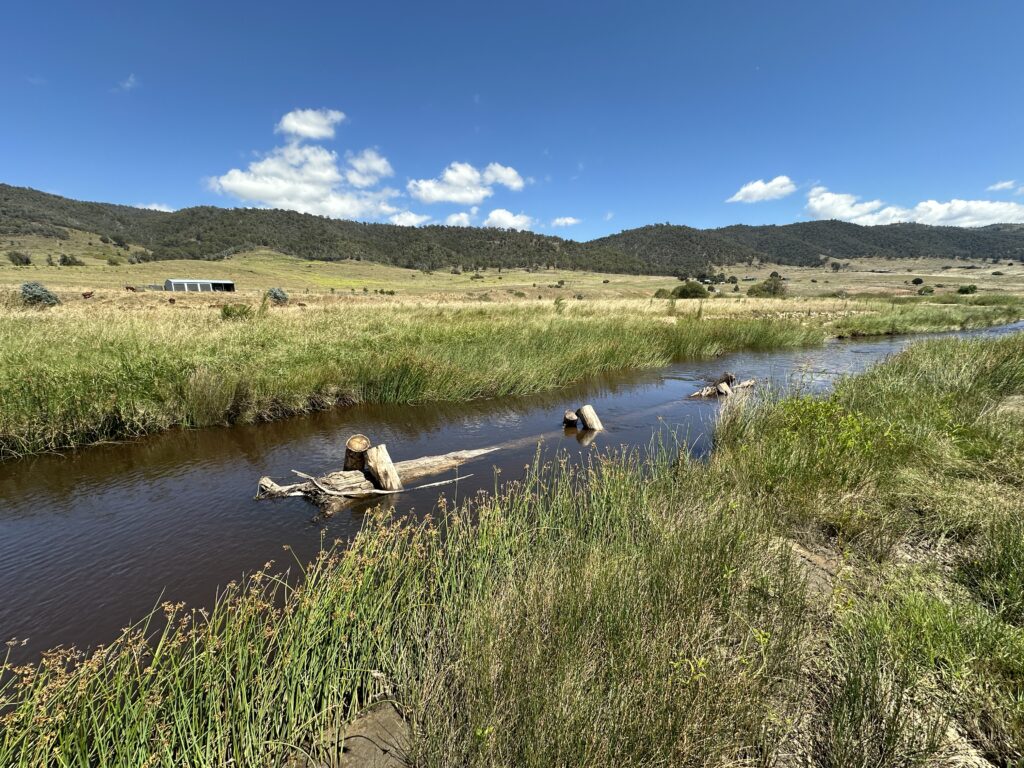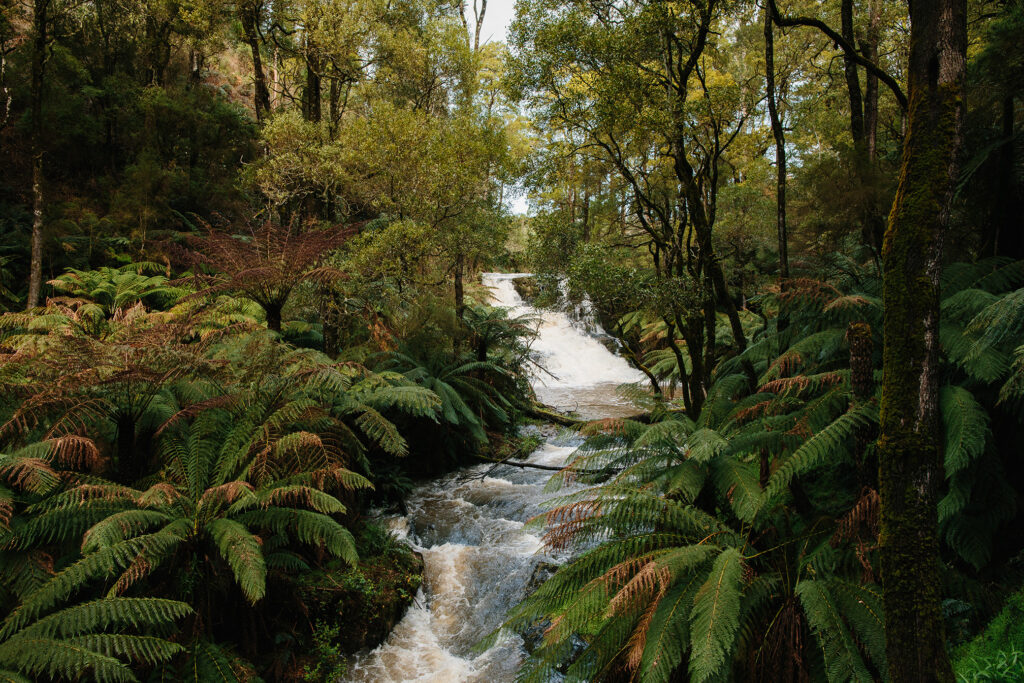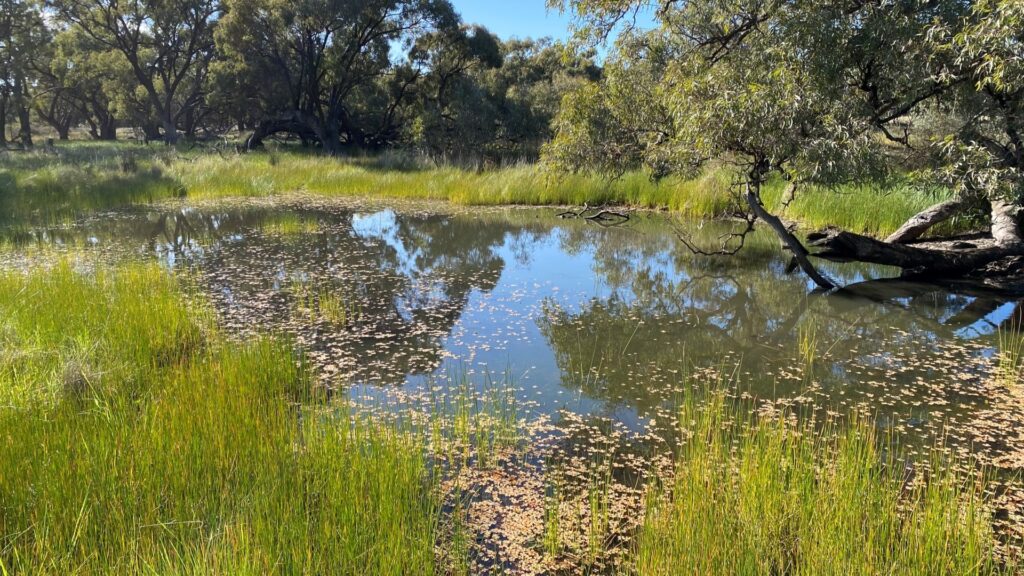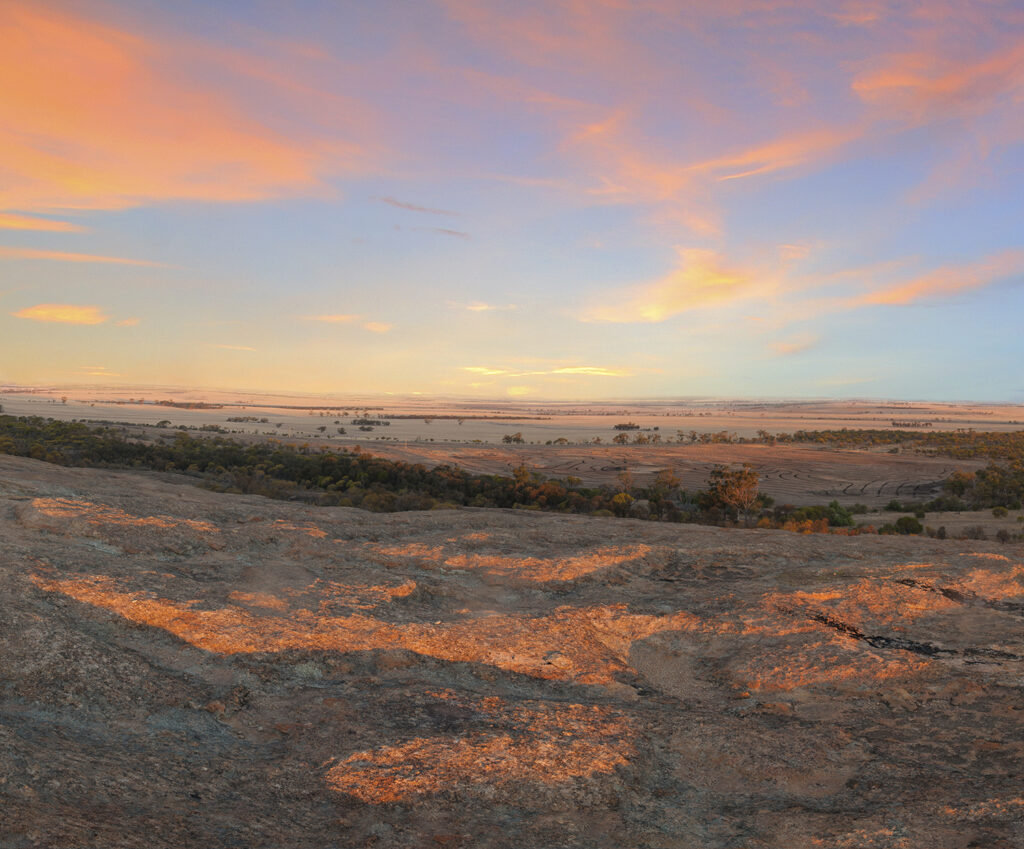
The Western Local Land Service region is the largest in NSW, covering 314,500 km² or 40% of the state. It is larger than Victoria and Tasmania combined. Despite its size, it is the least densely populated region with around 42,873 people, 18,500 of whom live in the city of Broken Hill and 13% being Aboriginal peoples.
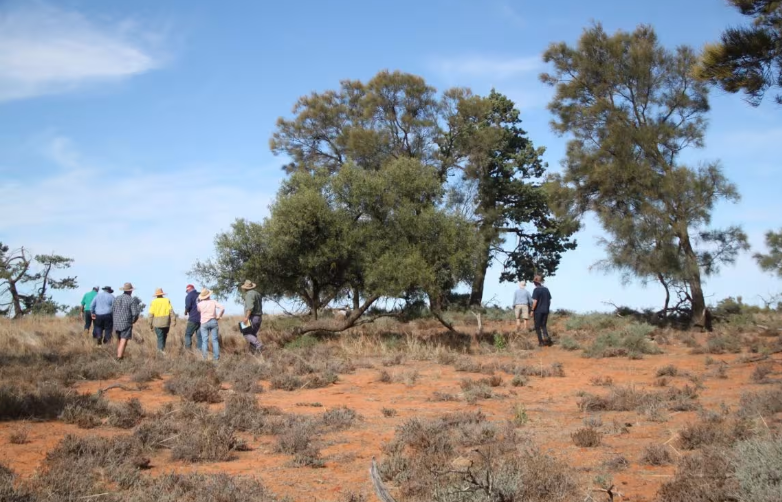
This diverse, semi-arid rangeland supports a range of communities. Grazing, dryland and irrigated agriculture, mining and tourism are the main land uses.
There are many sites of cultural significance in the region, including the Brewarrina Fish Traps, Mt Grenfell, Willandra Lakes World Heritage Area, Lake Victoria, Mt Hope and Mutawintji Historic Site. There are 16 Aboriginal language groups currently identified. Aboriginal people are passionate about environmental health and many are successful primary producers.
Rainfall is low and highly variable – summer dominant in the north and winter dominant in the south. Annual rainfall is highest around the north-east and lowest in the west. The average annual rainfall ranges from 412 mm at Brewarrina to 250 mm at Broken Hill. Drought is a major part of the climatic cycle in the Western region.
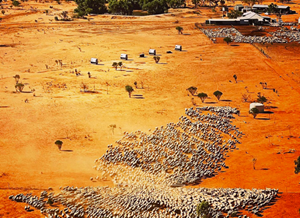
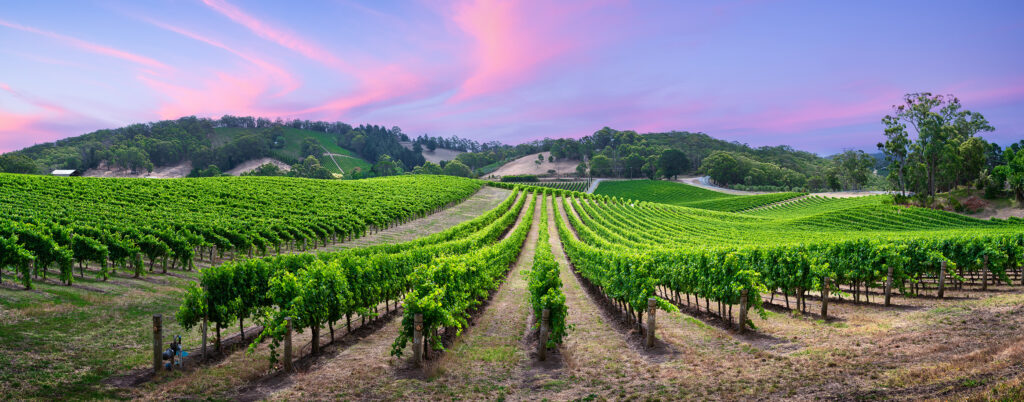
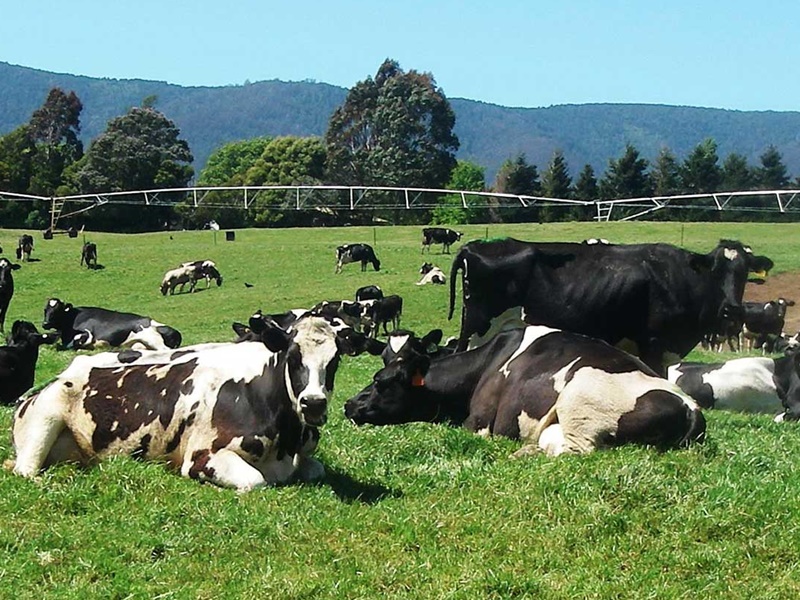
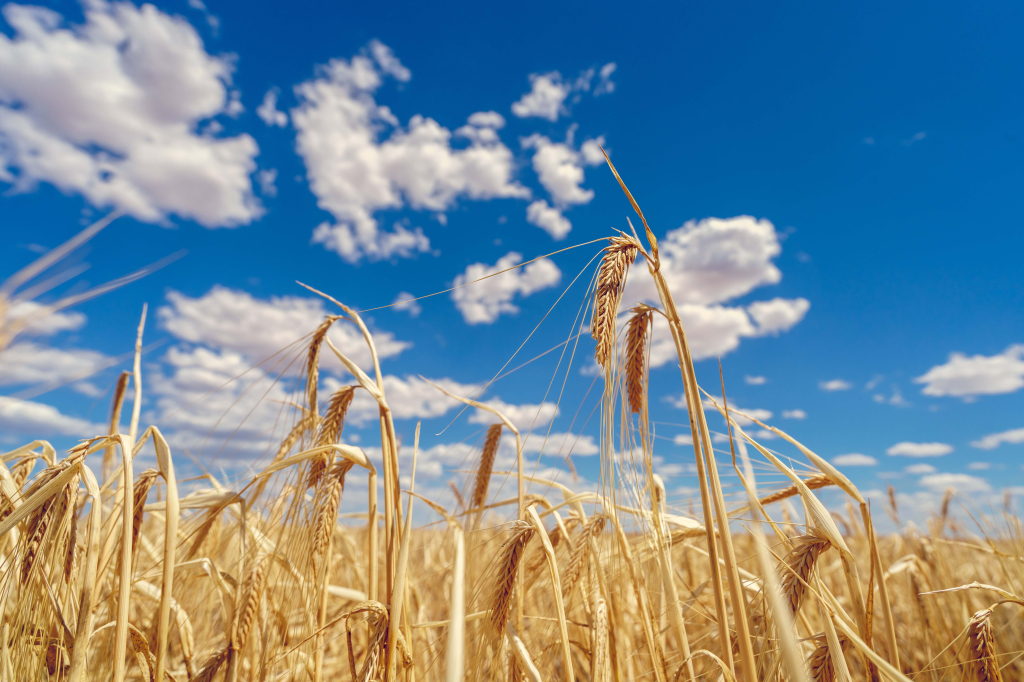
Grazing (sheep, cattle, goats), dryland agriculture (cereals in the southern Mallee), irrigated agriculture (cotton, horticulture and viticulture), mining, tourism and nature conservation are the main land uses within the Western region.
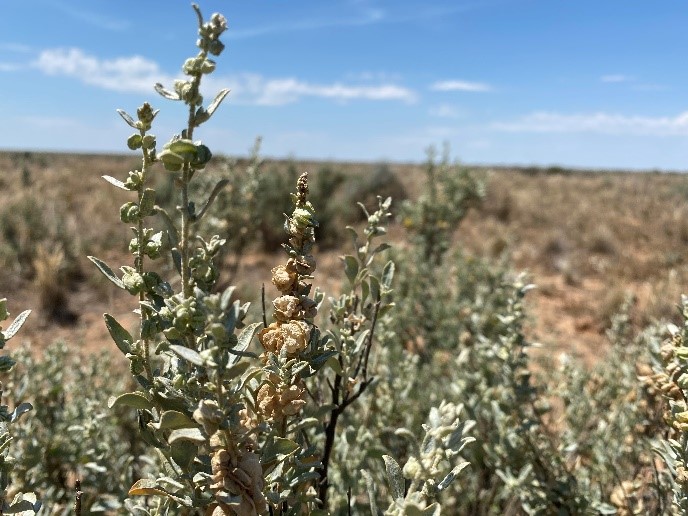
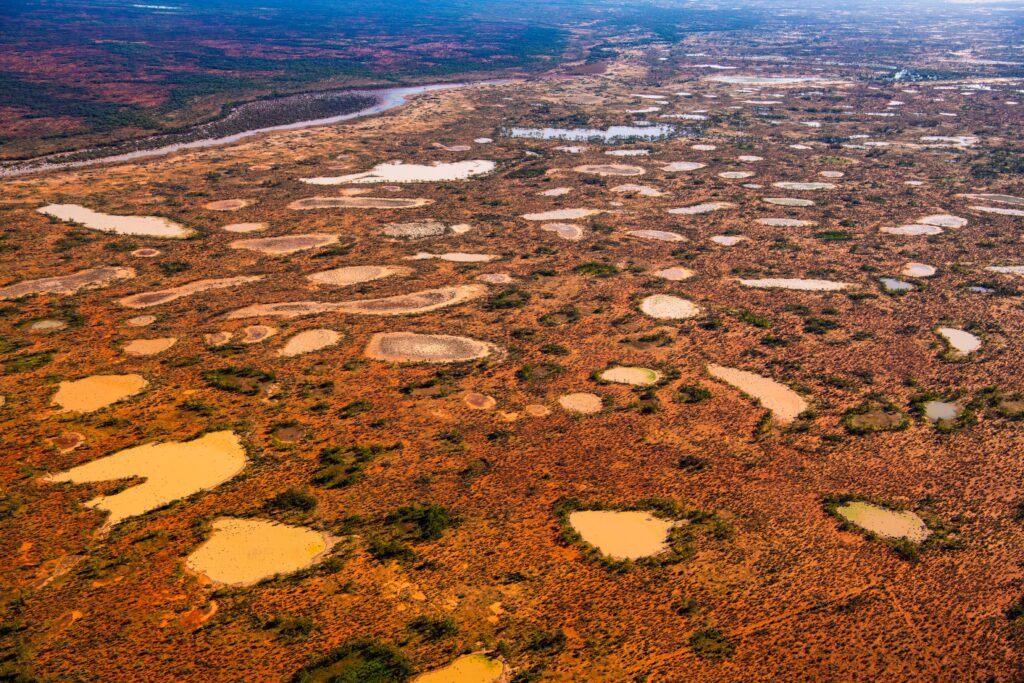
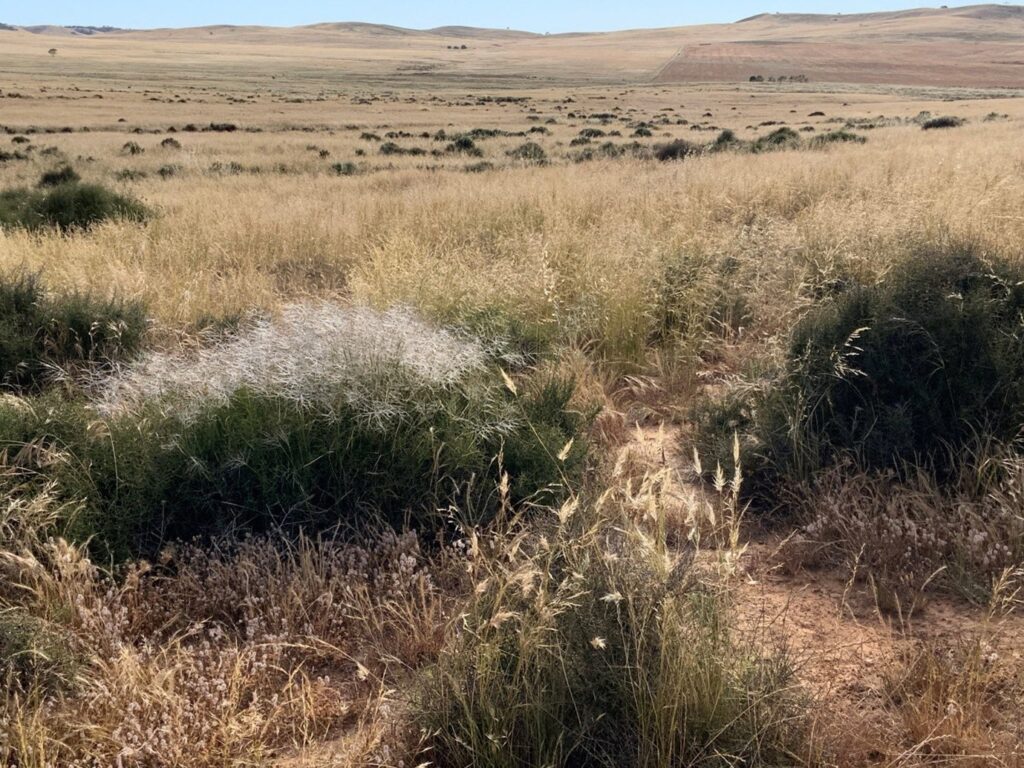
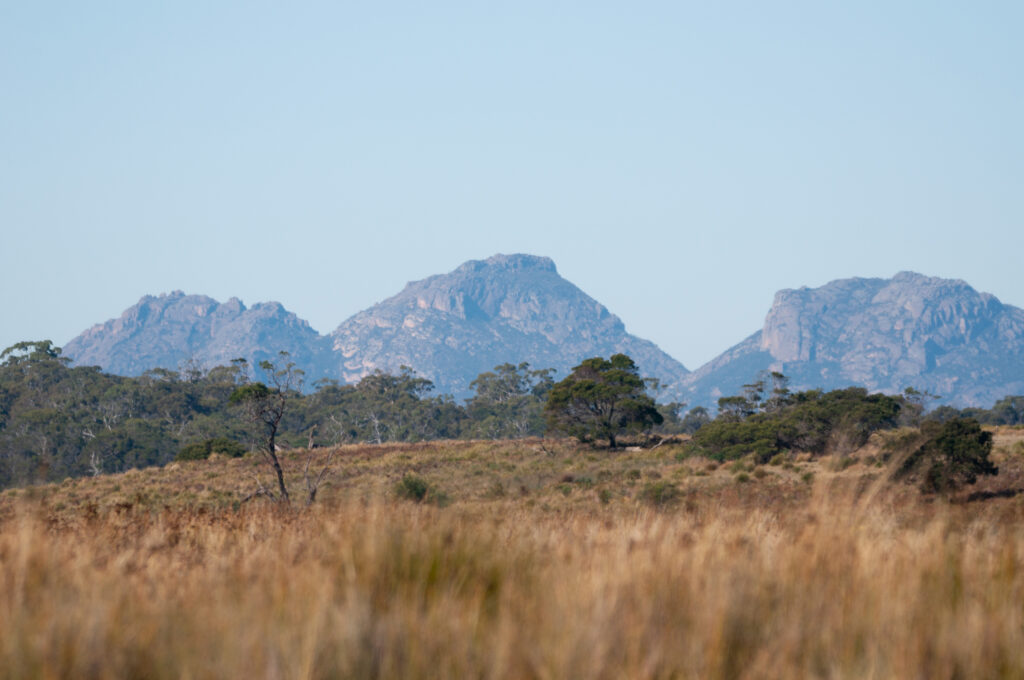
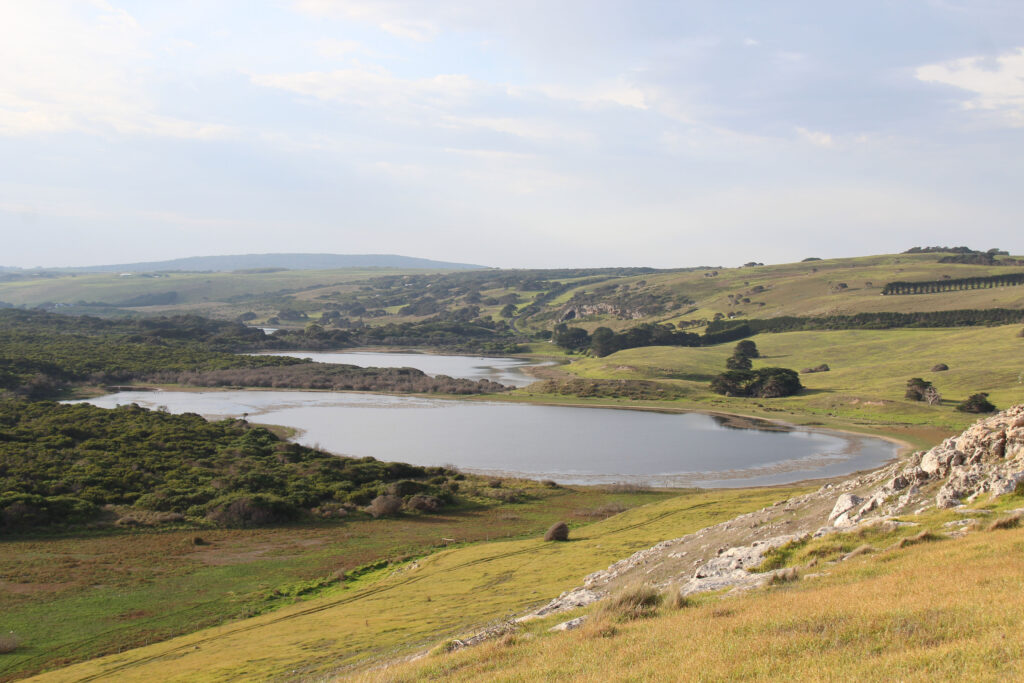
The Western region encompasses one of the most diverse rangeland areas in Australia, comprising arid and semi-arid land.
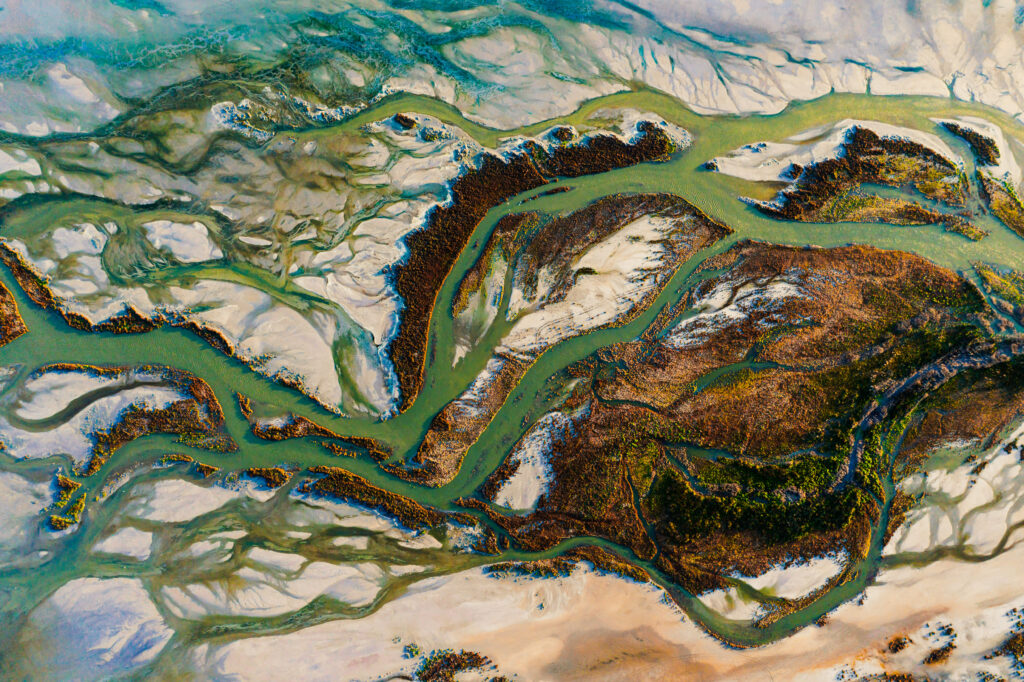
The Barwon–Darling river system – part of Australia’s longest river that transports water 2,000 km through a single, meandering channel – is located entirely within the region. The Murray River forms one boundary while the Murrumbidgee River forms another. There are several smaller and ephemeral rivers and creeks. Major water storages include The Great Artesian Basin, Menindee Lakes and Lake Victoria. It is a predominantly flat area that is interrupted by stony ridges and ranges.
We work with the communities of our region to restore and protect our natural and productive landscapes and waterways.
Western’s contributions to NRM shared knowledge across Australia
Western’s contributions to our national NRM snapshots